Get Online Week – when anything can happen

Get Online Week is unpredictable. I saw endless amounts digital inclusion activity, both in person and online, and met a lot of inspiring and wonderful people. Some things I expected – meeting socially excluded learners, meeting the great volunteers who work so hard, and seeing the different things our community partners have to offer – but some things were unexpected and pleasant surprises – such as the popularity of our City and Guilds Online Basics qualification and the success of Exeter Library’s Fab Lab. All in all, it was a wonderfully successful week for me, my team and our vast network of community partners.

The Tinder Foundation team visited almost every corner of the UK. I visited an event in Sheffield at Longley 4G, and went down to Exeter to visit two centres, St Loyes and St Sidwell’s, as well as Exeter Library. I had a very different experience in all of them and it really opened my eyes to the reality of digital and social exclusion and the need for digital equality.

Team work

In an ideal world I’d have been able to visit all the Get Online Week events but unfortunately that’s not possible for one woman to do in seven days, so the Tinder Foundation team were my little helpers for the week and went out in their masses to visit all kinds of centres in different parts of the country.

I can’t stop shouting about the work we’re doing with libraries at the moment – it’s a subject that’s really close to my heart – and lots of my colleagues managed to pay visits to different libraries. Our Finance Director, Margaret, went to Oxford Library to say hello and see what they’re up to; our Head of Digital, James, popped along to Goldthorpe Library to help people try out different devices for getting online; and one of our newest additions to the team, our Research Intern, Sharon (who’s working very hard on our Libraries Digital Inclusion Fund project) visited Chesterfield Library to interview one of their learners for the project. This is just to name a few…
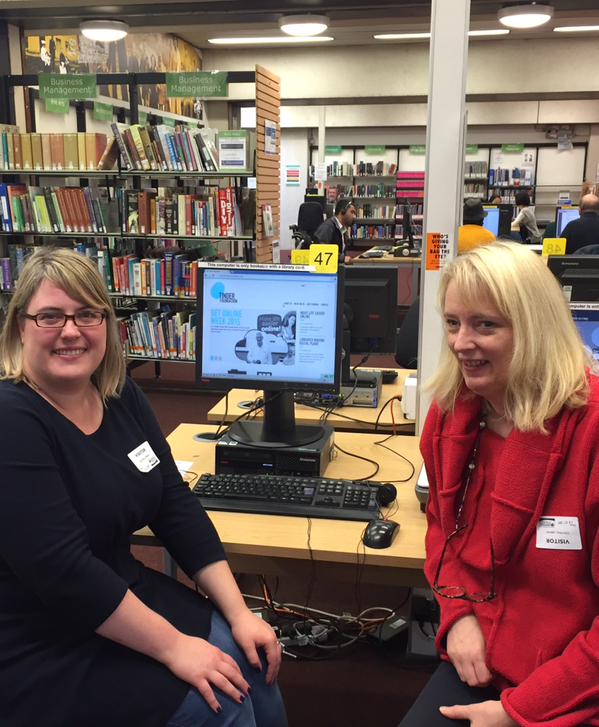
Margaret GOLW visit

Margaret really enjoyed her visit to Oxford Library

Some of us visited familiar haunts – our Senior Learning and Development Coordinator, Alison, went to Destinations@Saltburn for their employment-focussed event – and some of us went to completely new locations – Wider Network Manager, Caroline, visited our new partners, Remploy, in Sunderland to see how they’re getting on.

Some of us went further afield. Our Director of Business and Innovation, Adam, went all the way down to Somerset Media Solutions in Chard for their brilliantly named ‘TechNOphobia’ event, while our Content Marketing Officer, Sam, went to Prestonpans just outside of Edinburgh for their library’s employment drop-in session – and our Head of Marketing, Communications and Bids, Anna, went to Barrow Libraries to see their Digital Surgery with local MP, John Woodcock, in action. She was very impressed with the event, which around 40 people attended.
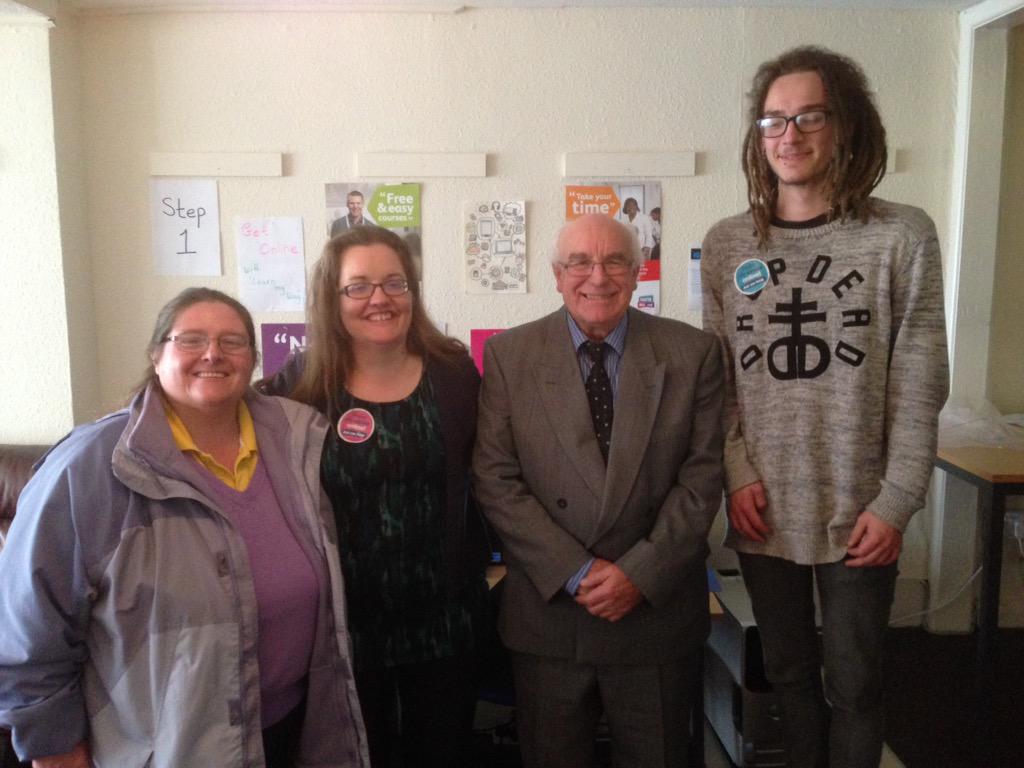
Learners

Some of the wonderful people Adam met at Somerset Media Solutions

Even the Ministers were getting involved

We weren’t the only ones enjoying the fun. I was thrilled to see Minister of State for Culture and the Digital Economy, Ed Vaizey MP, out and about, visiting Erith Park in Bexley, part of housing association, Orbit Group. I think it’s important for the government to acknowledge digital inclusion, after all, they are the ones who can make the big things happen, and the fact that Ed took the time to get involved with our campaign was wonderful.

He showed his support by taking part in their innovative Walk the Talk tour which helps build community engagement through the use of a ‘digital suitcase’. Residents can get involved by passing the suitcase from person to person and using an old-fashioned telephone inside to record stories.

Orbit Group are also doing other wonderful things. The residents said that they love where they live but find it difficult to get to know their neighbours, so interactive screens have been set up in stairwells for neighbours to take selfies, leave messages and introduce themselves to kick-start interactions with their future friends.

They’re doing some really great and innovative work in the field of digital and this was recognised by the Minister: “The work being done in Erith Park is brilliant and it’s great to see Bexley taking part in the nationwide Get Online Week initiative. Getting online and embracing new technology is becoming more and more important in this digital age, and I congratulate all involved in this innovative scheme aimed at using technology to build community engagement.”
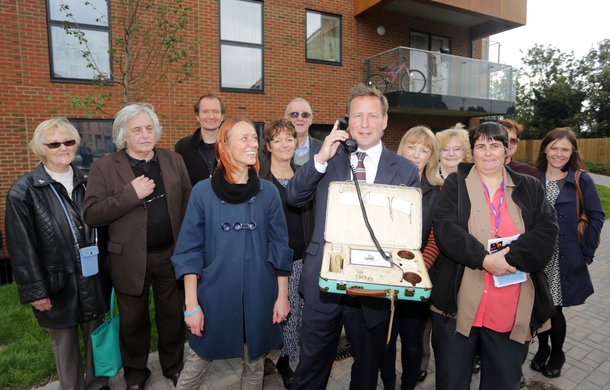
12-10-2015 Picture shows : Ed Vaizey MP tours new development Erith Park in Kent. Carl Fox 07966 349 562 www.carlfoxphoto.com

Ed Vaizey MP tours new development Erith Park in Kent. Image courtesy of Carl Fox (www.carlfoxphoto.com) via Digital By Default News

Dare devils

To top off the week, in a big end of campaign twist, our Director of Business and Innovation, Adam, along with TalkTalk CEO Dido Harding and Go ON UK’s Rachel Neaman, abseiled 120ft down TalkTalk’s Shepherd’s Bush office – all in the name of digital inclusion.

I applaud their bravery and the fact that the promise of the Get Online Week abseil encouraged hundreds of TalkTalk employees to share their digital skills as volunteers at local UK online centres. A big pat on the back to all!
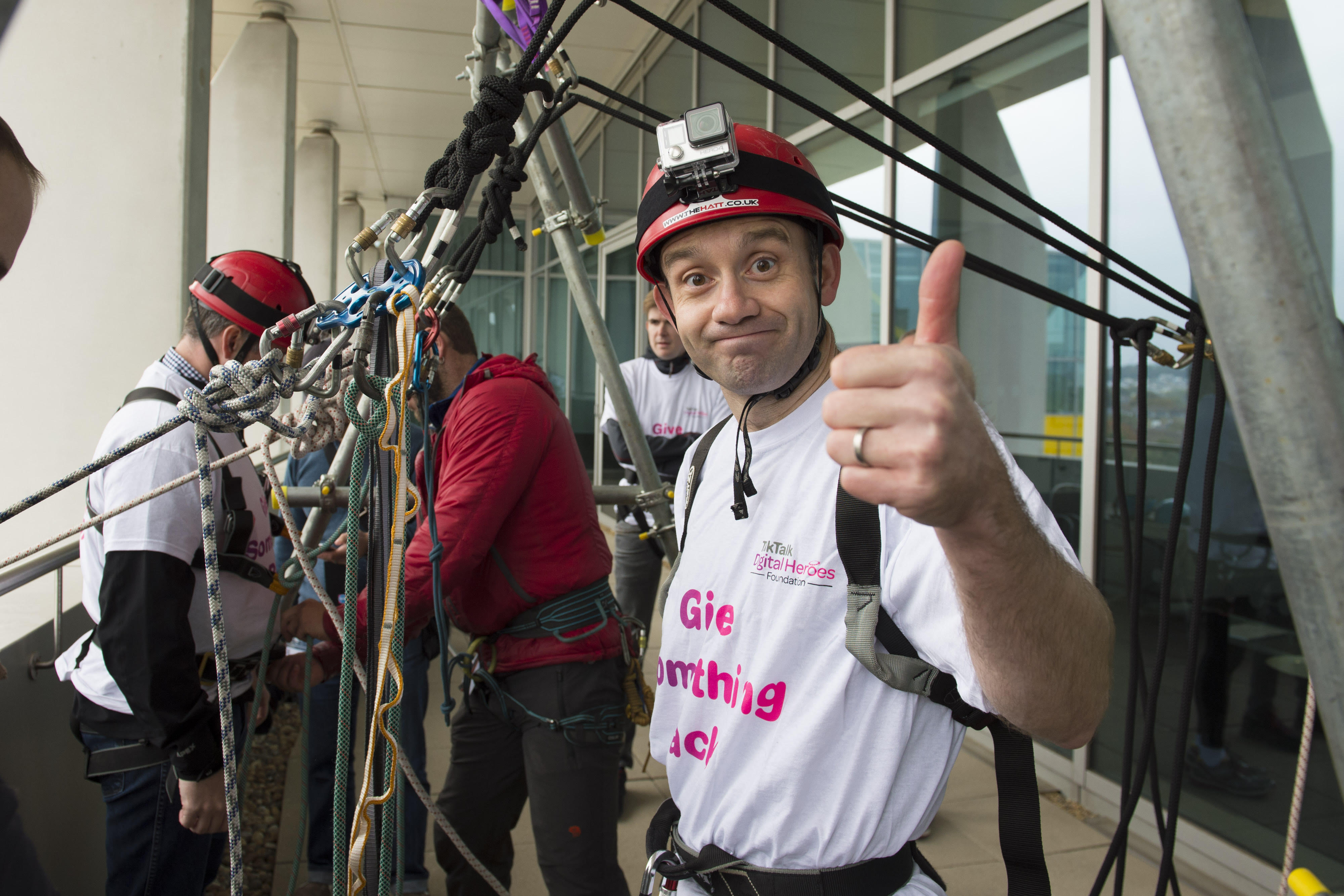
Adam gets ready for the abseil

Adam gets ready for the abseil

I think this has been one of our most successful and eventful Get Online Weeks to date. The #GOLW15 hashtag was used almost 2400 times over the week and our social media campaign, #EasierOnline, almost 1200 times. On top of that #getonlineweek was used almost 900 times. I really enjoyed seeing all your pictures and posts. Here are a few of my favourites below:
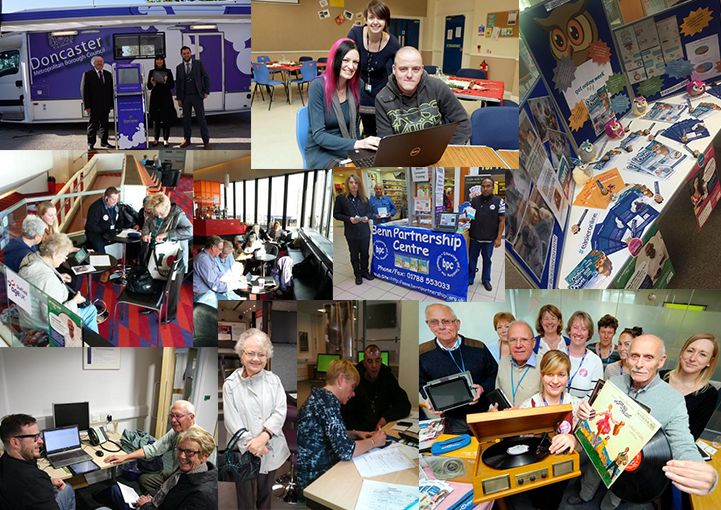
Thank you to everyone who posted on Twitter and Facebook

Thank you to everyone who posted on Twitter and Facebook

Next year’s campaign will be our ten-year anniversary, so we’ll be aiming to make that our biggest and best Get Online Week yet, but if this year is anything to go by it’s going to be a hard one to beat. Maybe I should encourage the Tinder Foundation team to do a Get Online Week skydive…
People with disabilities excluded from web opportunities

Yesterday an interesting report was published by Ofcom (“Disabled consumers’ use of communications services”) looking at the take-up and use of the internet by disabled adults. It provides much needed insight into the similarities – and the differences – between those who are offline and have a disability, and those who don’t.

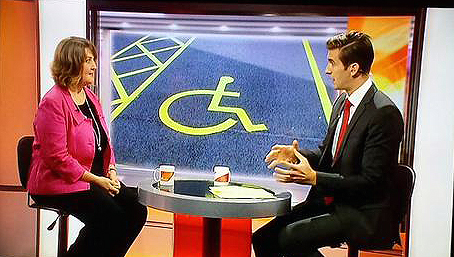
Late yesterday I got a phone call asking me to appear on this morning’s edition (Friday 2 October) of BBC Breakfast, to talk about the barriers that disabled people face when getting online and to highlight the consequential exclusion to savings, discounts, and the convenience of internet services.

Helen on BBC

The report suggests that demographic differences offer only a partial explanation for differing levels of communication device and service take-up. Other factors, perhaps related to the disability itself, may affect ownership and use of key communication services such as the internet.

Over three million people with disability do not use the internet, and only 55% of disabled people have internet access compared to 83% of non-disabled people.

Some of the barriers that disabled people face are the same as those of non-disabled, such as lack of skills or affordability. We also know that some disabilities occur due to ageing, and older people are more likely to lack basic digital skills than younger people. People on low income are also more likely to be non-users of the internet, and disabled people are more likely to be unemployed than non-disabled people. This all makes it hard to discover which demographics are the causal link to being offline. However, the report does show that when all other demographics are removed, there is still a higher probability for a disabled person to lack basic digital skills. Accessibility is a barrier for some, and the report also highlights that people with disabilities are more likely to live alone and that also leads to less shared internet access.

Tinder Foundation’s network of community partners are working hard to make sure everyone has an equal chance to get online, and we’ve created a range of resources and support to help our local partners do more to help disabled people – and to make sure we can really make an impact on these figures.

Lian Pate and the team at Banbury SWITCH in Accrington are one of the centres doing just this, and they were kind enough to step up at the last minute and let the BBC Breakfast crew film at their centre. It was great to see their story on prime-time morning TV, which really helped illustrate the real impact that the internet can have on making disabled people’s lives easier – so I’d like to say a big thank you to them for all their help last night, and to all of our local partners for the fantastic work they do every day.

And it was nice to be on the telly to talk about the urgency to create a more equal nation, even though I had to get up super early.

Maggie and Digital Evolution are coming!

If you’ve been reading my blog for a while, you’ll know that Tinder Foundation’s Digital Evolution Conference, which takes place every November, is without doubt one of the highlights of my year.

IMG_5456

And yes, you might think it’s a bit soon to be talking about an event taking place in November as we’re only just in August, but I can’t help but get excited by how this year’s conference is already shaping up.

I won’t give too much away at this stage, but I do want to say how pleased I am to have an incredibly talented individual joining us on the day.

Maggie Philbin

If you’ve ever met Maggie, or had the pleasure of hearing her speak, then you’ll know why I’m so excited to announce that she will be chairing this year’s conference.

Maggie is one of my heroes – she knows loads about technology, she shares my beliefs of having a society where everyone has the opportunity to benefit from digital, and she’s a great person too.

She is the perfect person to host.

Have a watch of Maggie speaking below.


I can’t wait to reveal more of what we’ve got planned, but in the meantime you can find out more about the Digital Evolution: Building a digital nation conference (Wednesday 25 November at the BT Centre, London) here.

Tickets are now on sale with a special introductory offer available until Monday 7 September.

Community Transformers

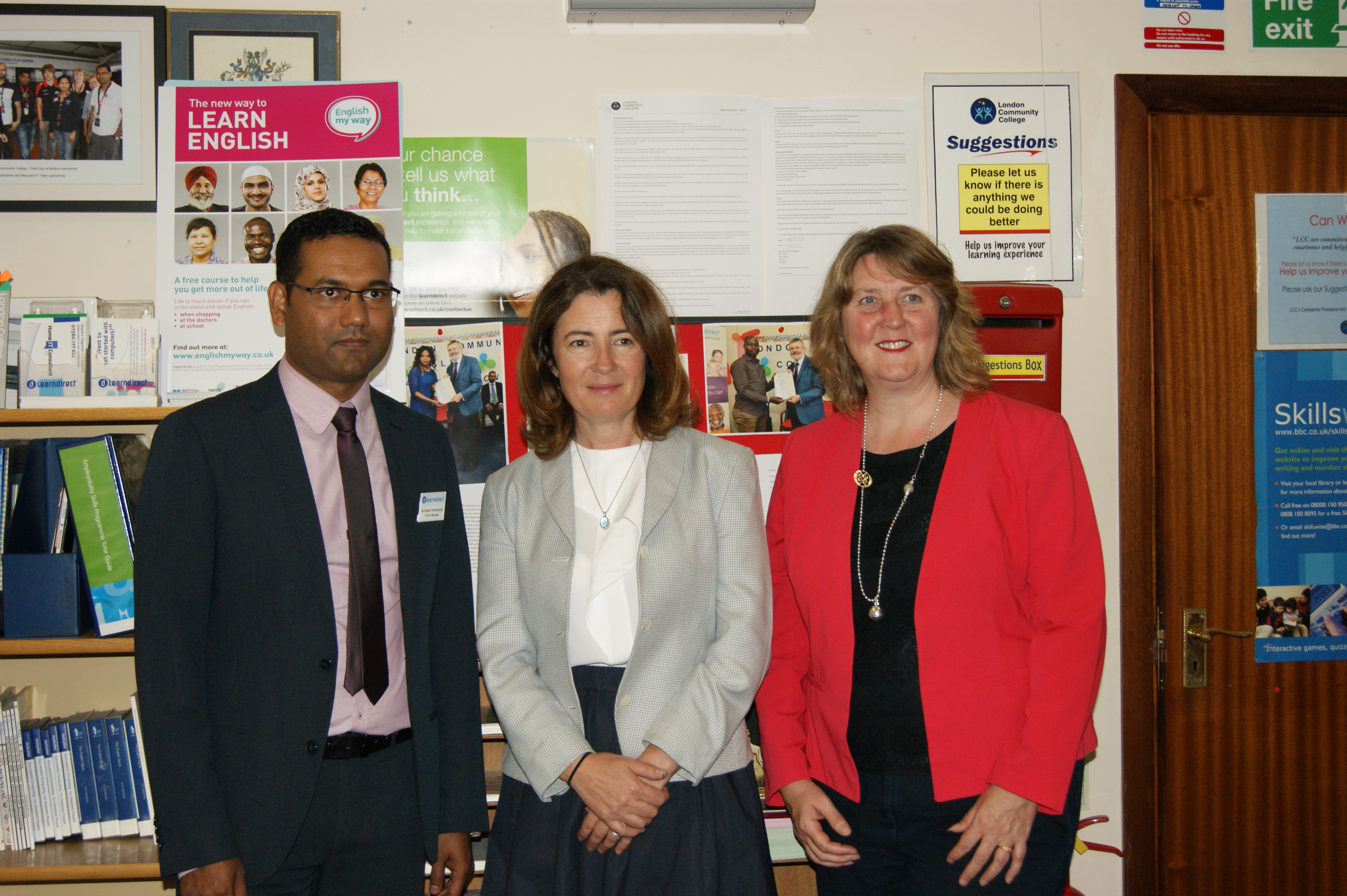
On Tuesday I visited London Community College, a new community partner in Tinder Foundation’s UK online centres network. I was there with representatives from the Department for Communities and Local Government (DCLG) and Baroness Williams, the Parliamentary Under Secretary of State for Communities and Local Government.

Visiting London Community College July 2015

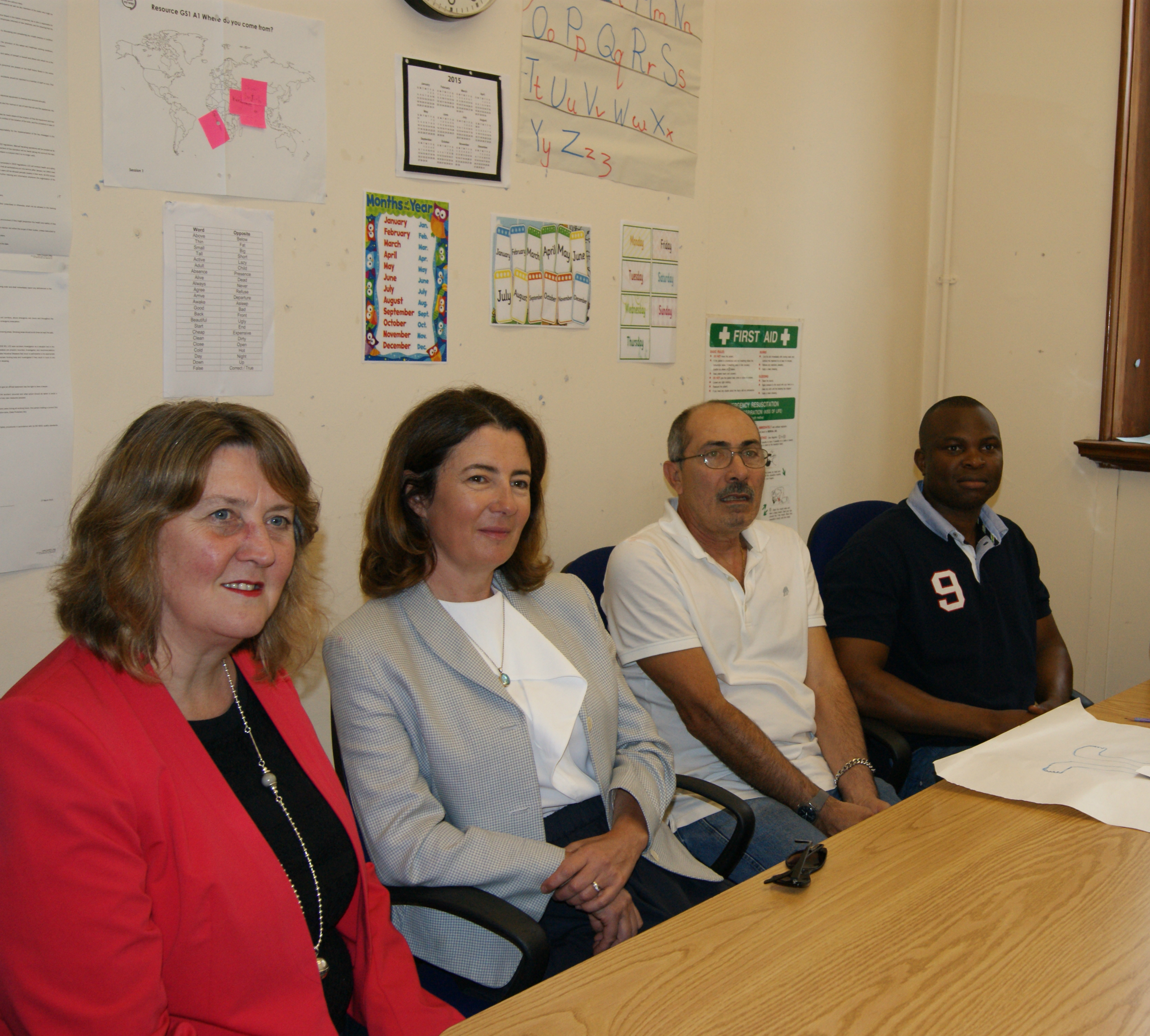
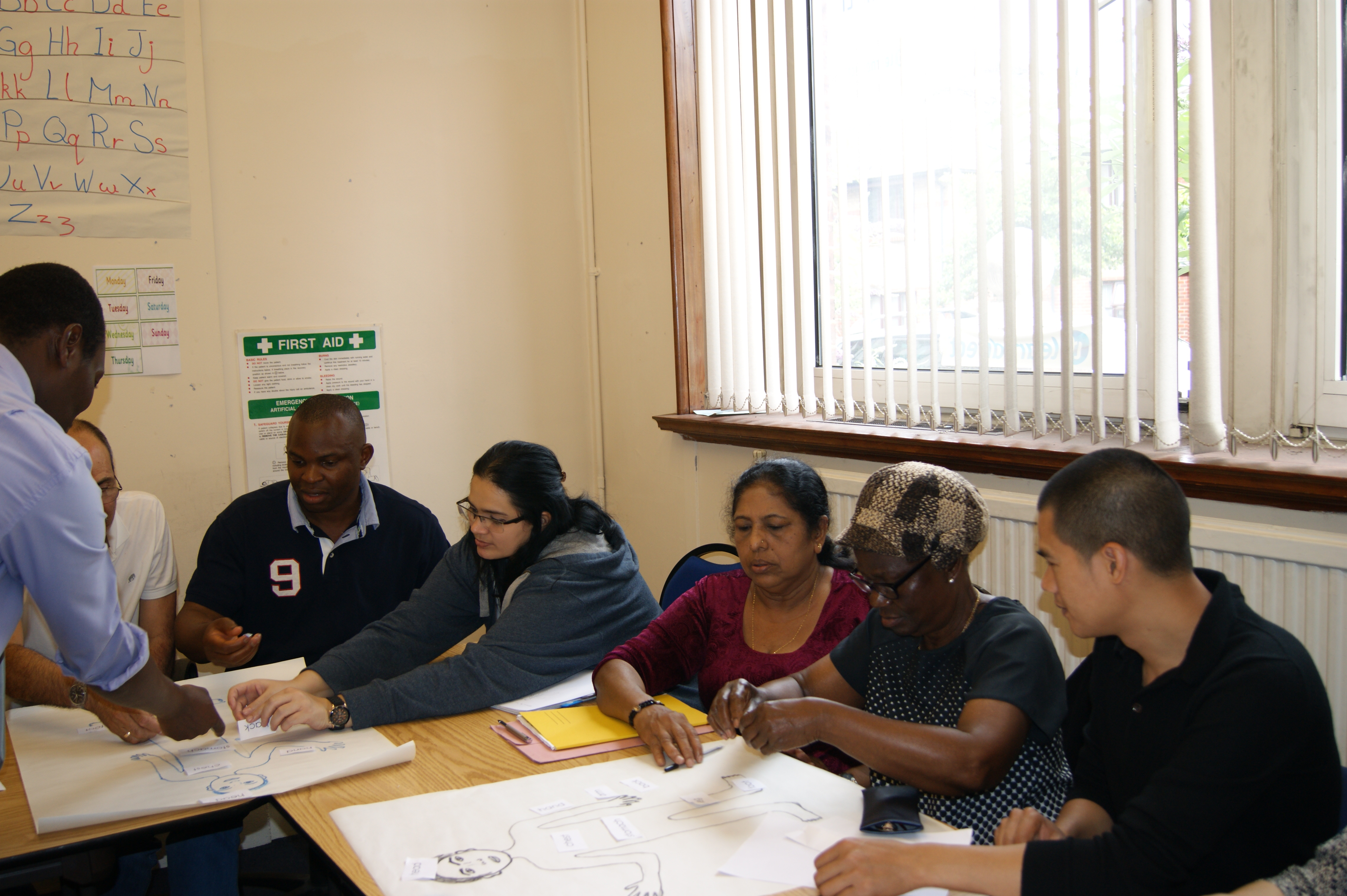
We met people learning English at the centre and found out about how the English My Way programme is helping them to feel more connected to their community. Our English My Way project, funded by DCLG, is now in its second year and is a classroom based learning programme aimed at people who have very, very little English language.

It was also good to see how the curriculum – led by the British Council – was working alongside the Tinder Foundation hyperlocal partner network. The BBC are also a national partner, developing great resources and running learning circles.

Meeting learners at London Community College

London Community College is a wonderful place and it was a pleasure to be visiting for the first time. I loved seeing their English My Way lesson plan (printed off from the national site) and how it’s been embedded into their wider learning programme. It was great chatting to Centre Manager Avinash Panchoory who said he thinks Learn My Way is the best progression route from English My Way, which was music to my ears!

Witnessing English My Way in action at London Community College

   Images courtesy of London Community College

He also said: “We have a very diverse group of learners who represent the local community and who require our support to help them integrate through English My Way. London Community College is proud to promote integration within the community and eliminate barriers to communication through English My Way.”

Places like London Community College are encouraging their learners to share their knowledge with their own communities. Imagine the difference it would make to a mother, for example, who has learnt about English My Way and now has the confidence to go to her son’s parents evening and speak to the teacher. Or a woman I met at a previous event who has the confidence now to say hello to her neighbour as they have share a common language.

I always feel privileged to visit organisations like London Community College that are really embedded in the heart of the most deprived communities. It’s places like this my entire team work so hard to support on a daily basis, and it’s places like this where people lives are getting transformed.

English My Way is a free website packed full of resources, lesson plans, and a learning platform: www.englishmyway.co.uk

Is Facebook the gateway to the internet?


I’m always talking to my team about finding new ways to reach people, whether that’s people that aren’t online and don’t have digital skills, or the people that do have some sort of access but still don’t know how to use it, or simply aren’t motivated to use it.

One thing we know is that to reach new people we have to go where they are and not expect them to come to us. Here’s a fact for you: 70% of our community partners do outreach work, physically going out and finding the people that need their help the most. At Tinder Foundation, it’s just as important for us to be looking for these people in the online world too, which is where Learn My Way’s new Facebook course comes in.

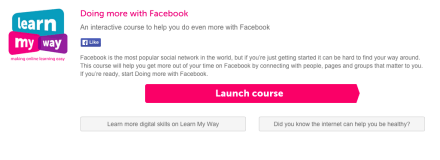
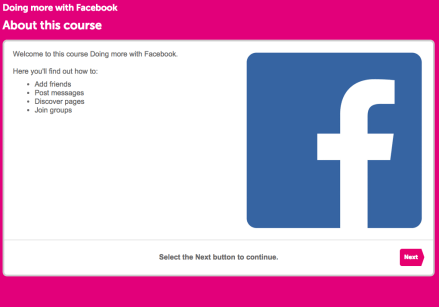
Learn My Way - Doing More with Facebook

Designed to help people that have already signed up for a Facebook account but either don’t know how to use it or lack the confidence to use it (the digitally excluded come in all shapes and sizes), Doing More With Facebook shows people how to make the most of social media, do more with Facebook, and gives them a taste of Learn My Way in the hope that they’ll want to continue learning. It will even post to your wall so you can encourage friends to use the course app too.

Learn My Way - Doing More with Facebook


The team behind Learn My Way work closely with stakeholders to develop new learning content and they started to think about creating something for social media after a lot of community partners found the young people they were working with in particular had access to Facebook on their phones, but weren’t using the internet for other things like applying for jobs, looking for housing, or even emailing their granddad.

This also ties in with Ofcom’s Adults’ Media Use and Attitudes Report 2015, which found 40% of internet users only visit between 5-10 websites a week, with 50% of newer internet users visiting between 1-4 websites on average a week. I think we can assume Facebook features somewhere in that list.

So, the idea is we’re breaking down barriers by reaching people in a place where they’re comfortable and introducing them to Learn My Way and tonnes of free learning in the process. 

ND15: The deadline for a digital nation

Yesterday, I had the pleasure of giving the closing keynote for the National Digital Conference below. Here’s what I said.

Every story needs a beginning, a middle and an end, so this is where my digital journey started.

This is a photo of me in 1985 – 30 years ago. When I first started working in the internet sector (helping children to communicate online) the world wide web hadn’t even been invented yet.

Helen, 1985


We’ve seen such our society be transformed immensely: the way we work and collaborate, and start and build businesses; and, the way we live, 24/7 shopping, banking, social contact, pay our taxes.

Matthew Hancock’s speech earlier today was so positive, I believe that he wants to make services better – as well as cheaper – through digital.

Many things have been transformed to such an extent that we no longer recognise it. The only person who ever writes me a letter for example is my Mum.

In 1985 a futurologist, Ray Hammond, said “Now that day has arrived … the humble school micro provides a gateway to a world of knowledge so vast that it is breathtaking at its first acquaintance” So there’s a part of me that thinks if we knew of the power of the internet, why in 2015 do we live in such a divided society?

We live in a digital society and we live in a divided society, and an unequal digital society.

In 2015 if you’re born poor you will die poor. We have over 1m people who need to eat from food banks. People are having the benefits stopped because they don’t know how to search for jobs online using Universal Job Match.

We live in a divided nation – and digital exacerbates that.

It isn’t right that 10m people’s lives are poorer and harder because they can’t or don’t use the internet. I’ve been impressed and pleased with the support that the new Government is showing to digital inclusion. Matthew Hancock understands technology and wants to make lives better – it’s a good start.

Today we heard Ed Vaizey say that the Government was refreshed, energetic and keen to do more with digital and digital inclusion.

It’s likely that in this age of austerity the driver for digital inclusion – however it’s presented – is to reduce the costs of people transacting with Government. The people who are excluded, are high volume users of Government services, so if they remain excluded they will continue to cost the Government a lot of money. The digital transformation of Government can’t succeed with 10m people lacking basic digital skills.

So why in 2015 do we have such a digitally divided society?

We have a great sector, we have a lot of great people and organisations doing great work. Looking across the room today it’s fabulous to have collaborative cross sector drive and leadership from public, private, and the voluntary and community sector here sharing ideas and passions.

But we need a better plan. A more ambitious plan.

I have two sons and the older one is football mad. From the age of about two he kicked balls around, so we started that weekend delight of watching small boys play football badly – usually on very cold days – from when he was about six years old. If you’ve ever watch small children play football you’ll know what I mean – no space, no tactics, no strategy, just ‘look there’s the ball’ and run after it. Sometimes I think the digital inclusion sector is a bit like those six year olds playing football.

We’ve heard many good speeches today, fascinating stats, and great ideas.

Rachel Neaman started well this morning suggesting that we should eradicate digital exclusion, the gender imbalance in the tech sector, and poor digital skills in businesses by 2025. By the time of the 20th National Digital Conference.

I’d like to be more ambitious and take one of those – digital exclusion – and set ourselves a deadline – 2020. By 2020 let’s not live in a digitally divided nation.

Here are four things that worry me that we need to sort:


1. There’s no silver bullet

We know what works – community based support and help, personalised – supported with leadership and guidance from organisations like Tinder Foundation and others – who help with ideas, products and support.

Simply more investment in what works results in more people gaining digital skills and changing their lives. Martha said earlier that it’s foolish to not spend money as the money saved is far greater than the money we need to spend.

2. Why don’t Employers do more for their own staff?

It’s great to work with Lloyds Banking Group, Vodafone, TalkTalk and BT on projects and digital champions. Thank you for your support, it’s really valuable.

But what about employers working to upskill their own staff? How about: A Digital Basics Employer Accreditation or Investors in Digital People. Just like an employer can get accreditation for being a Living Wage employer how about a “Digital Basics” Employer. Why not a transparent accreditation or badge for an employer who knows that all their staff have basic digital skills. And it must include contract staff such as cleaners, security, and catering staff.

And let’s start with the Public Service. Government just must know that all their staff and all their contract staff have basic digital skills. They must do it.

3. What about the really poor people who just can’t afford devices and broadband?

Today on the radio I heard a woman from a charity working in Calais giving support to migrants and asylum seekers sleeping rough. She said they provided them with “food, clothes, and phone chargers”.

As the digital divide narrows it deepens. A year ago 21% of people said that they didn’t use the internet because of the cost of devices and broadband. This year it’s 32%. We must acknowledge that there are people who just can’t afford it.

Whose responsibility is it to tackle this issue?

Will we look back and think this is a basic utility just like electricity and gas?

Instinctively this feels too risky – from a ‘Daily Mail’ point of view for the Gov to get involved – so that leaves the private and the volcom sector.

Without a solution to this issue we will always leave people behind.

4. Better understanding of the relationship between improved social outcomes and the digital inclusion contribution to that impact

Last year we commissioned “A Leading Digital Nation by 2020: Calculating the cost of delivery online skills for all” with Economist, Catherine McDonald. It’s a great read that proves that the investment is low compared to the reward.

However, what Catherine’s report did say is that by 2020 6.3m people will still lack basic digital skills if we just keep doing what we’re doing now (at today’s investment).

Those 6.3m people will be the poorest, the disabled, young and old people lacking a range of skills, and who will have a range of complex needs.

We know that digital inclusion drives social inclusion, I’ve met people who tell me that they are alive because a local community organisation helped them to learn how to use the internet. It saved their lives. This is the sort of transformation we want more of.

We know this, but we need more evidence and we need to know what more we can do to drive better social outcomes through digital inclusion. Focusing first on the social impact, seeing digital as the tool to get there.

Today it’s announced that Tinder Foundation, working with Family Fund, Mind, Homeless Link, and a number of local community organisations will rebuild the lives of people through the Rebook UK project. personalised digital skills training and community-based support which will enable them to be more in charge of their own lives. So by Christmas we’ll have a few more answers.

We need to be more ambitious. But are we just too polite and too patient.


We should get angry and get organised.


We need a deadline.


Let’s pledge to 100% of people in the UK using the internet by 2020.

In 2020, let us all be here celebrating a digital nation, that inclusive and equal for everyone.

Jeremy Hunt should listen to this woman

There’s been a lot of discussion in the last 48 hours around the fact Jeremy Hunt, whose views on health – and mental health in particular – never fail to reach the headlines, is to remain as health secretary. It also happens to be Mental Health Awareness Week.

Last week I had some minor surgery done at my local NHS hospital in Sheffield. I was a day patient for over eight hours, and throughout that time I was treated and cared for by a wonderful team. I left that day feeling very lucky to have access to the wonderful NHS – a resource that is so easy to take for granted. (I’m fine by the way.)

I am fortunate that my job allows me to see so many examples of the great work the NHS does through Tinder Foundation’s Widening Digital Participation Programme.

The programme, which is heading into its third year:

  • Has reached 235,465 people to raise awareness of digital health resources
  • 140,892 people have been trained to manage their health online
  • 51% of those people taking part have been able to explore new ways of improving their mental health

If numbers aren’t really your thing, then I’d recommend watching this brilliant video and hearing directly from some of the people that have benefitted.

Jeremy Hunt, you should watch this video and if you’re really pushed for time, fast-forward to 2:00 minutes to hear one of my favourite quotes from a woman who makes a lot of sense.


I’m proud to say that the Widening Digital Participation Programme has been nominated for an award at the Digital Leaders 100.

I’m so pleased that the hard work and dedication of our team, including the UK online centres, and NHS England is being recognised through this prestigious industry award. If you’ve got another couple of minutes please do head across to their website and give us a vote.

Roger: a long journey to hope

One cold, dark, rainy Friday morning in January, I got onto the 7.27am train from Sheffield to London and sat at a table opposite a woman. I had those “winter blues”; too many months without proper sunshine, catching early morning trains, and Friday is usually the day when I get to see the team in the office.

After a while the woman opposite and I got talking. She worked for NHS England and was also feeling tired having stayed up until 2am working on an important document. The first nice thing was that she had heard positive things about Tinder Foundation and our NHS England Widening Participation programme. The second nice thing was that I found myself talking about the work I do – with the team, and with the thousands of community partners that we have – and about the impact of that work. One person I talked about in particular was Roger Hamilton, and his remarkable story.

Roger Hamilton

Roger Hamilton

The first time I met Roger was at an event at the House of Commons that we hosted back in 2012, where he was working at St Mungo’s homeless charity (now St Mungo’s Broadway). He had returned to the UK after spending some time in Jamaica, and found himself without work, without friends and family, and without anywhere to live.

He spent ten years homeless, sofa surfing, living in hostels, and some time rough sleeping, and this chaotic lifestyle led to poor health and to despair. In 2010 he found his way to St Mungo’s, where he found shelter and support, and he then visited a local UK online centre (Holborn Library) where he learned how to use the internet and he found hope.

Roger told me that when he was living in Jamaica, computers and the internet were luxuries. When he came back to London he didn’t have the skills to participate in society, and he didn’t have the skills he needed to find work. Roger got the basics of how to use the internet at the UK online centre in Holborn Library, using Learn My Way; he was then supported by St Mungo’s to get more skills.

He felt empowered, he felt in touch with the world, and he found himself supporting other people at St Mungo’s to keep motivated to get the skills they need for an increasingly digital world. He began by volunteering and then moved into paid work as a tutor, but then he left St Mungo’s to move onto another job and we lost touch. I was so moved by Roger and how he spoke so eloquently and powerfully, and was so committed to helping other people to make the same transformative journey he had made, that I never forgot him.

Last year I was delighted to get an invitation to visit to St Mungo’s Broadway, because I have always been impressed with the work they do. I met with the CEO and his team, and then had a walk around their venue and met some people who were just beginning to use the internet and were feeling more positive about their futures. I asked one of the staff if they remembered Roger, she looked at me a bit confused, and said “he works here”. So, Roger had left and come back again. I was so happy to see him again and to hear about how well he was doing. He is now a Job Coach at St Mungo’s Broadway and he’s helping people there to gain skills, and dignity, and hope.

Roger working at St Mungo’s Broadway

Roger working at St Mungo’s Broadway

The woman on the train remarked on the huge cost to the NHS of homeless people, who often suffer poor health and piecemeal support from the health service. A 2012 report says that just one homeless person costs Government between £24,000 – £30,000 a year, and it’s likely that figure is now even higher. So policy makers can look at the fiscal benefits, as well as the human benefits, of helping just one person who (like Roger a few years ago) is homeless.

Roger’s story is so powerful, and I thought you too would like to feel this ray of sunshine whenever the sky near you is looking a bit grey and miserable, or you’re needing to hear how one man’s new found hope led him to help hundreds of others to take the same journey.

You can hear Roger tell his story in his own words.

Social Housing and Digital Inclusion: People not technology

I’m really lucky that by doing what I do, I get to have regular ‘pinch me’ moments. One of those moments was last week at an event we hosted for social housing organisations in London. We work with thousands of social housing providers through the UK online centres network and the Digital Housing Hub community. In case you didn’t know, the Digital Housing Hub was launched by Tinder Foundation in 2011, and has grown into a vibrant community for those working in digital inclusion in social housing.

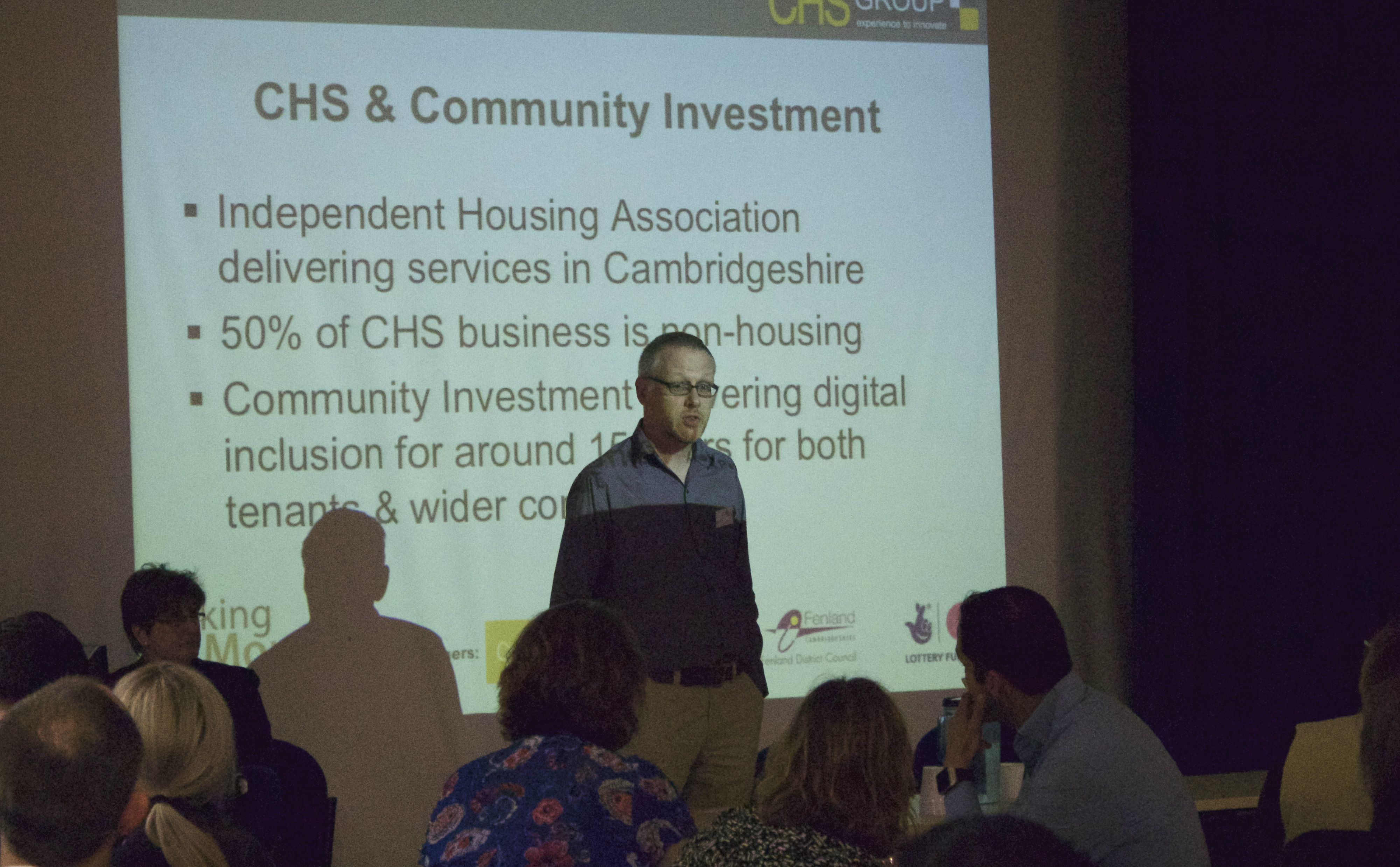
Some brilliant speakers joined us; James Lewis from CHS Group shared his honest experience from the Making Money Count pilot. The project loaned tenants in the rural Fenland district, Cambridgeshire (where numeracy and literacy levels are amongst the lowest in the country) a laptop or tablet and Mifi. James highlighted the barriers to getting online, but also evidence that people can save money from being online. He said that for the people who had access to a device and broadband their financial inclusion improved – and improved faster.

James Lewis, CHS Group

James Lewis, CHS Group


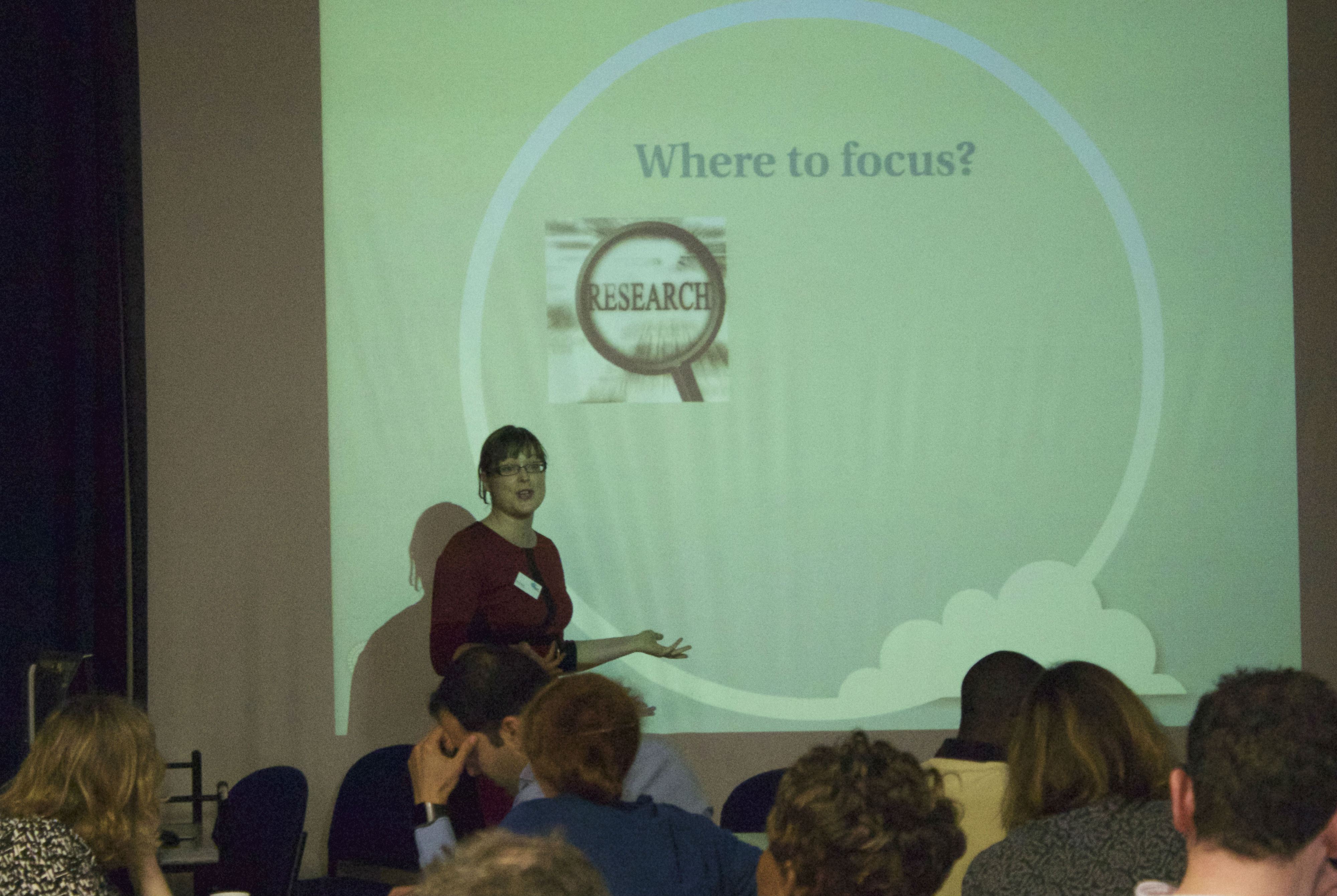
I really enjoyed listening to Hannah Bailey from Berneslai Homes who passionately shared her views on how “digital strategy must be done now, not later” and should be at the heart of social housing organisations. Hannah has successfully helped Berneslai Homes to see digital inclusion as something relevant to all staff not just the ones with digital inclusion in their job titles or roles.

Hannah Bailey, Berneslai Homes

Hannah Bailey, Berneslai Homes


There was so much energy in the room with people from all over the country who had come to exchange ideas and experiences, and who all had a shared purpose; to reach the digitally excluded. There are 4.1 million adults living in social housing that are offline, and I was fascinated to hear how the social housing providers that attended have motivated their tenants to improve their digital skills. One of the things that came across loud and clear was that digital inclusion is now such a big part of financial and social inclusion, and that digital runs across the whole organisation and everything a housing provider does.

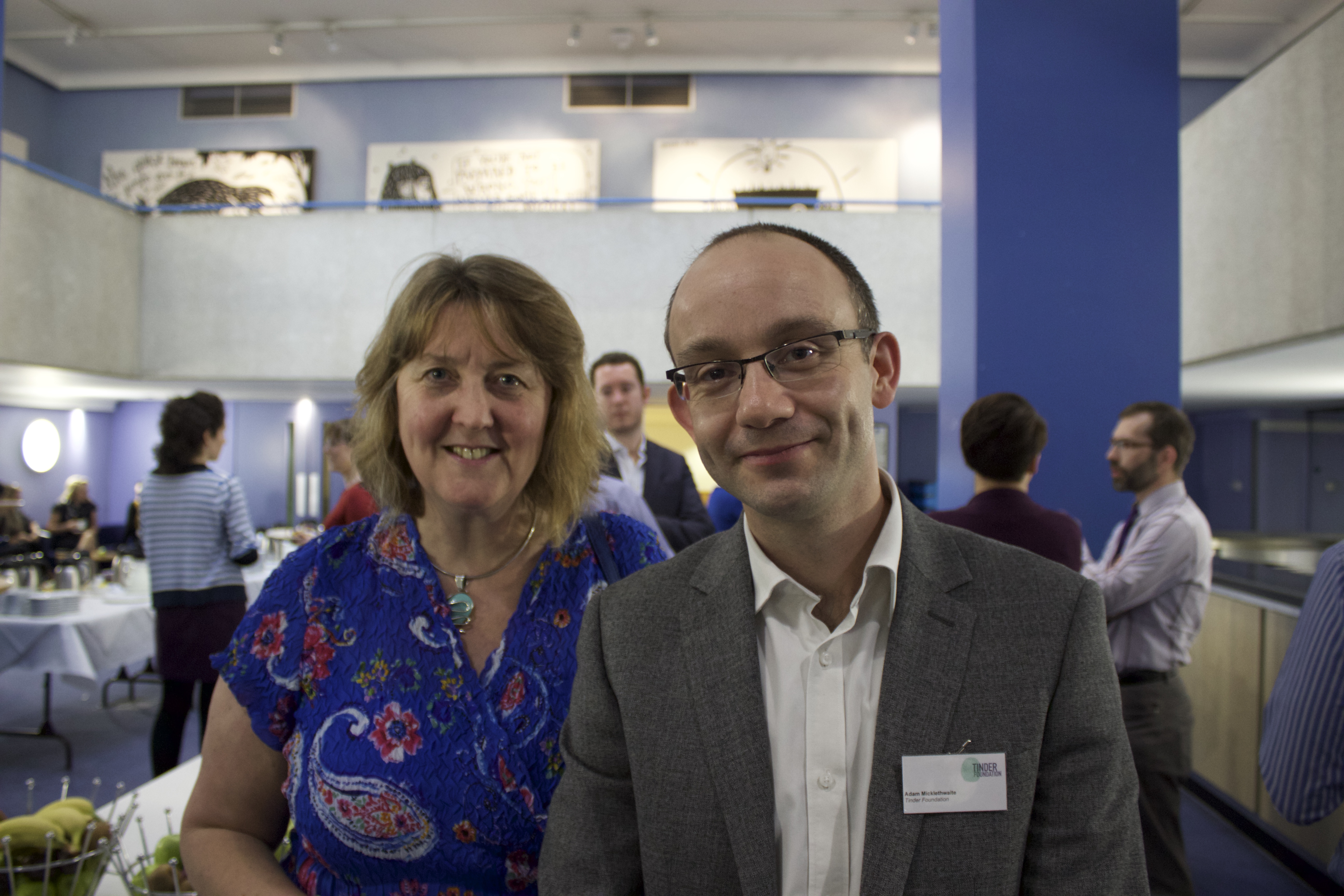
The networking and sharing of experiences was fabulous too, and it was great for Tinder Foundation’s new Director, Adam Micklethwaite to get stuck in.

Enjoying the Digi Housing event with Adam Micklethwaite, Tinder Foundation's Director of Business Innovation

Enjoying the Digi Housing event with Adam Micklethwaite, Tinder Foundation’s Director of Business Innovation


The event coincided with the launch of Tinder Foundation’s Doing Digital Inclusion: Social Housing handbook. This is the first in a series of ‘Doing Digital Inclusion’ handbooks, created to provide practical tips and solutions to tackling digital exclusion in specialist networks. I’d love to know what you think of it.

You can view the presentations from the event here. We have some more events planned over the next few months, and I’m looking forward to meeting lots more inspiring people doing great things and having more ‘pinch me’ moments.

328 pages of Manifesto pledges and promises, but does digital get a look-in?

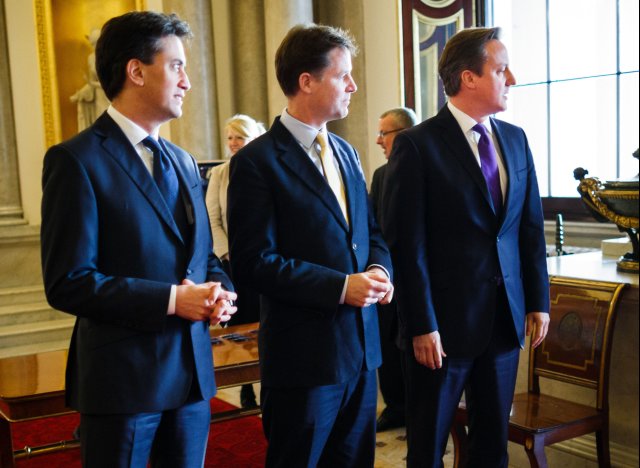
So this week is ‘manifesto week’; Labour went first on Monday closely followed by the Conservatives on Tuesday and the Lib Dems released theirs on Wednesday morning.

With bated breath I searched through each one to see how much digital – skills, digital government, broadband access and mobile coverage – featured in each one.

Image via Huffington Post

Image via Huffington Post


Digital Skills

Labour

“We will support community-based campaigns to reduce the proportion of citizens unable to use the internet and help those who need it to get the skills to make the most of digital technology.” A great commitment to increasing digital skills.

Conservative

“We will save you time, hassle and money by moving more services online, while actively tackling digital exclusion.” A big more vague, but still promising.

Lib Dem

“We will uphold the highest standards of accessibility in digital services and maintain government programmes in digital inclusion.” Maintenance is good, growth in programmes is better.


Digital Government

Labour

They outlined the important role that technology will play in the role of changing the way in which public services are delivered.“We will use digital technology to create a more responsive, devolved and less costly system of government.” They also went on to say: “We will further develop digital government to enable better communication, more collaboration and sharing data between services. It will make services and transactions more efficient and simpler for people to use. To create a more connected society, we will support making digital government more inclusive, transparent and accountable.”

Conservative   

“We will ensure digital assistance is always available for those who are not online, while rolling out cross-government technology platforms to cut costs and improve productivity – such as GOV.UK.” A good statement supporting Assisted Digital, always good to see that those who aren’t online will still get help to use an improved service (that’s digitally delivered of course).

Lib Dems

“Focus on delivering efficiency, funding proven spend to save initiatives and investing in technology to get public services and frontline staff online.” Quite a broad statement but like the other parties it seems like a commitment to ensuring that the government evolves to become as digital as possible.


Superfast Broadband

Labour

When it comes to broadband infrastructure the Labour party have committed to the following – “Labour will ensure that all parts of the country benefit from affordable, high-speed broadband by the end of the Parliament.”

Conservative

The Conservatives have hedged their bets a little more; they have made one commitment to provide the majority of people with broadband access. “We will secure the delivery of superfast broadband in urban and rural areas to provide coverage to 95 per cent of the UK by the end of 2017.” When it comes to providing broadband access for the whole of the UK they have been much more vague: “we have set an ambition that ultrafast broadband should be available to nearly all UK premises as soon as practicable.”

Lib Dems

“We will complete the roll out of high-speed broadband to reach almost every household (99.9%) in the UK.” Like the Labour statement, the Lib Dems are committing to completing the job of getting the infrastructure right.


Mobile Coverage

Labour

“We will work with the industry and the regulator to maximise private sector investment and deliver the mobile infrastructure needed to extend coverage and reduce ‘not spots’, including in areas of market failure.” A statement which I pretty much expected – ensuring that mobile coverage is as good as it can be.

Conservative

“We will hold the mobile operators to their new legally binding agreement to ensure that 90 per cent of the UK landmass will have voice and SMS coverage by 2017.” The Conservatives gave a little more specificity than Labour, demonstrating that there is a legal binding agreement to get better mobile coverage.

Lib Dems

There was no mention of mobile coverage in their manifesto.

A promising start

Overall, I don’t think there have been any big surprises in the manifestos and digital inclusion has featured as much as we thought it would. There’s hope in all three, and certainly the promise for us to carry on with the work we are already doing. And there’s plenty here we can build on, no matter the decision of the voters on 7th May.

We’ll be looking at the rest of the Party manifestos next week, and I’ll do another round up of SNP, Green and UKIP to see where they stand.

Remember, the deadline to register to vote is Monday, 20th April!