Be Online and swim the ocean

This week saw the start of our Be Online campaign. Taking place over the next two weeks it aims to help people get online and improve their digital skills by encouraging our network of community partners (and anyone else who wants to take part) to host events showing people the mass of benefits that being on the internet can bring.

Yesterday I went to Leeds to see firsthand what some of our partners are up to. My first visit was to a Remploy Centre in Leeds City Centre. They are great at providing disabled job seekers with a range of support, including embedding Learn My Way into the journeys for almost everyone they see. I was impressed by the range of partners they work with too.

Then I jumped on a train to Bramley, a suburb of Leeds, where I met Charlotte Self from Leeds Libraries to visit Molly, an older learner, at home who uses their Libraries@Home service. It was such a treat for me to meet someone for whom it was their first time on the internet. Leeds Libraries are part of our action research digital inclusion programme, and they are taking iPads out to people at home, most of whom are housebound or disabled. Charlotte showed Molly how to search on Google and on YouTube, as well as how to use the Leeds Libraries service to borrow an e-book. Molly was amazed that she could borrow an iPad with a sim card (so she didn’t need to worry about broadband) for no cost from the library. She was delighted about what she found on the internet. And, she was really delighted that she could download an e-book straight away that she will now be able to read.

It was interesting to see that Molly thought that she wasn’t going to be able to do it – using the internet sounded as if it would be hard – but an hour later said she’s keen to at least practice what she did today. Leeds Libraries provide a stylus (or a ‘dabber’ as Charlotte called it) as many new users find their fingers either too heavy or too light or too wobbly; Molly liked to use her ‘dabber’ and her finger.
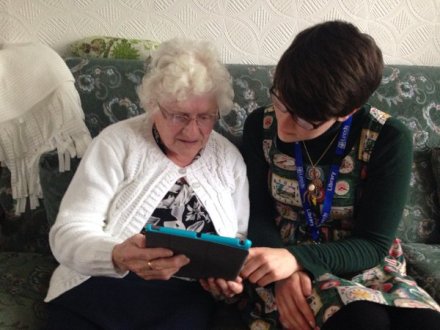
Molly and Charlotte

Molly with Charlotte Self, exploring the wonders of the internet

Remploy and Leeds Library showed me two very different services that they are providing but their aims are exactly the same: to help people get online and keep getting back online once they’ve learned how, and subsequently use the internet to make their life easier. This is also the sole purpose of our campaign. It’s about helping people to use the internet for the first time and then to keep going and to become confident and independent internet users.

It’s time for the numbers

Last week I attended a meeting with some senior people. Some stats were mentioned about how many people are ‘digitally engaged’ which didn’t ring completely true and, of course, with me being a bit of a stats nerd I decided to do some digging with my research team. We found a lot of really interesting stuff that relates back to the Be Online campaign and why it’s so important.

Looking at these stats, there’s the headline stuff such as the amount of adults lacking basic digital skills in the UK (12.6 million), but if you continue down to the stats near the bottom of the list, there’s some real eye-openers. Personally I was pleased to see from Go ON UK’s Basic Digital Skills UK Report 2015 that 98% of under 45 year olds have at least one basic digital skill but it goes down to only 89% of people under 45 who have all five basic digital skills.

It’s encouraging to see that 77% of under 45-year-olds carry out more than 10 different activities online, but disappointing that the remaining 23% don’t. However, the low usage or shallow use of the web, is likely to be by people on low incomes, with 80% of people in social group DE (the semi-skilled or unskilled manual working class or the unemployed) doing 10 or less activities online. In case you’re wondering I do all 17 in Ofcom’s list and my colleagues either do 17 or 16 of the activities.

If you’d like to see them all for yourself, the stats are collated in a table at the bottom of this blog.

So it’s not about looking just at the headline stats, it’s not just about ‘being online’ or not, but it’s what you do with it that matters! And how much variety you do and how confident you are about the variety.

The internet’s an ocean

When we were coming up with names we decided to call it Be Online. It’s short and snappy and it sounds good – but it was also because ‘Be online and do something meaningful and develop your confidence so that you can do it on your own’ is just too long. If we tried to turn that into a hashtag that’d be your whole 140 characters gone in one go.

I thought of this lovely metaphor on my way back from the Be Online events that I think encapsulates the sole purpose of the campaign: we want to help people get into the shallow end of the pool but really our goal is to help people to swim in the ocean. Molly got her feet wet today, metaphorically speaking, and I hope over the weeks, when she’ll get free use of an iPad with sim as well as one-to-one personal support, that her confidence grows and she’s able to explore and develop what she wants and what she needs.

It was a real privilege to meet Molly and to watch the smiles on her face as she discovered a tiny bit of what the internet is about and she discovered that, yes, with a bit more help and support, she will be able to do it.

Check out all the Be Online activity so far on social media by searching for the hashtags #BeOnline16 and #lovelearnmyway, and don’t forget to post your own statuses and pics if you’re taking part in the campaign – I’d love to see them.

And here are the stats

12.6 million adults in GB lack basic digital skills (that’s 23% of all GB adults). The five basic digital skills are: managing information; communicating; transacting; creating; problem solving Go ON UK, Basic Digital Skills UK Report 2015
11.1 million people in the UK have low digital capability. This is an indicator of actual digital behaviours such as: very little evidence of online shopping; no managing money online; no streaming or content. Lloyds Banking Group, Consumer Digital Index, 2016
11% of adults (5.9 million) have never used the internet ONS, Statistical Bulletin: Internet Users, 2015
14% of adults are not recent internet users ONS, Statistical Bulletin: Internet Users2015
14% of adults in the UK are non-users of the internet Ofcom, Adult’s Media Use and Attitudes, 2015
86% of households in Great Britain (22.5 million) have internet connected at home Ofcom, Adult’s Media Use and Attitudes, 2015
51% of adults use a smartphone to go online outside of the home Ofcom, Adult’s Media Use and Attitudes, 2015
67% of adults go online at home and elsewhere; and 17% of internet users (over 15 years) only go online at home Ofcom, Adult’s Media Use and Attitudes, 2015
Smartphones and tablets supplement rather than substitute computer use, with just 6% only using smartphone and tablet devices to go online at home or elsewhere. This rises to 10% among DEs. Ofcom, Adult’s Media Use and Attitudes, 2015
The busiest 7-day period saw 14.4m unique visitors to pages at Gov.UK – this represents approximately 22% of the UK population. Activity on GOV.UK: web traffic
51% individuals interacted online with public authorities within the last 12 months The European Broadband Scorecard Q1, 2015 via Ofcom
98% of under 45 year olds have at least one basic digital skill and 89% have all five basic digital skills Go ON UK, Basic Digital Skills UK Report 2015
98% of under 45 year olds go online anywhere Ofcom, Adult’s Media Use and Attitudes, 2015
23% of under 45 year olds carry out 10 or less types of activities online Ofcom, Adult’s Media Use and Attitudes, 2015
80% of internet users in social group DE carry out 10 or less activities online Ofcom, Adult’s Media Use and Attitudes, 2015

#RebootUK – test and learn

Reboot UK is a consortium test and learn project that we’re running alongside partners Mind, Homeless Link and Family Fund, as well as a handful community partners across the UK. The project aims to test innovative new models to see how they support three groups of people – families in poverty, homeless people, and people with poor mental health – to improve their health and wellbeing through digital technology.

Led by Reboot UK’s head researcher, Laurence Piercy, we spent a significant amount of time exploring the barriers and the benefits for these groups gaining basic digital skills, as well as the approaches that may work. All of this is outlined in the Literature Review, published today.

DSC_8131

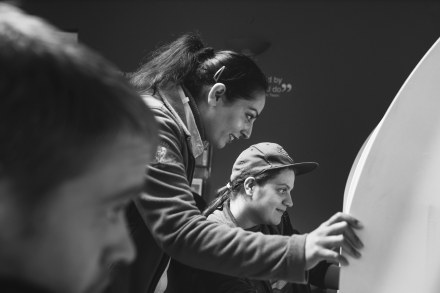
Reboot UK’s head researcher, Laurence Piercy (left), visits one of the project community partners [Image by Dora Dc Photography]

The Literature Review has provided us with some solid evidence, helping us to develop understanding and models into what we now want to deliver for Reboot UK, as well as collating findings from a huge range of external sources.

The research revealed, for example, that only once before has a home access scheme been tried on scale. Smaller ones have shown positive results, but hardly any work has been done to find out how home access schemes can be delivered on a larger scale to help those desperately in need of broadband and equipment. Learning at home or putting the skills learned in a community centre into practise in their own time is an important part of the journey for a huge number of learners. Reboot UK involves a number of community-based equipment distribution and lending schemes which will allow us to explore home access and help us to develop ideas of how a scheme can be scaled effectively.  

Another interesting finding detailed in the Literature Review is that for the groups of people we are supporting, their needs are often so complex that they require a response to learning that recognises their needs and adapts to suit them. Some people feel most comfortable learning from a friend or a neighbour, for example. Others may feel more comfortable learning in a community centre, and others may prefer to learn at home.

Once these needs have been addressed, the huge benefits of digital technology to the individual can be realised.

I want to thank Laurence for the fantastic report, and everyone else who was involved in the creation of the review, and is involved in the delivery of the project. I’m really excited about the Reboot UK project, and the impacts it will have on people that may not be reached by other initiatives, and I’m looking forward to following it’s progress. You can read the Literature Review here, and keep up-to-date with the second stage – the testing and learning – through our #RebootUK hashtag on social media.

My letter to Malcolm Turnbull, Prime Minister of Australia

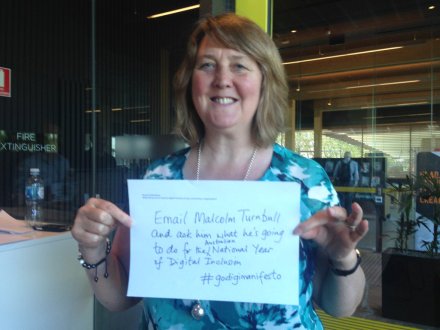
Back in December I posted a blog after my fun and informative trip to Australia. I talked about the creation of a ‘digimanifesto’ that I was involved in for Australia’s National Year of Digital Inclusion. I tweeted a pledge to go into the manifesto, which has now become a co-created plan of action – I promised to email the Australian Prime Minister, Malcolm Turnbull.

Pledge for Australian Year of Digital Inclusion #godigimanifesto #digitalinclusion

Seeing as today is Australia Day, I thought it was the perfect time to send my email to Mr Turnbull about the National Year of Digital Inclusion…

‘Today is Australia Day. I’m a little behind you in time zones as I’m writing from the UK. On Australia Day 1988 I was living in Australia to deliver a bicentennial project; I was supporting a national touring exhibition showing artefacts, art, and ideas from Australia over the 200 years since the arrival of the first fleet.

My job in 1988 was to connect children around Australia using the internet, so that they could swap stories from parents and grandparents about the past, as well as share the different experiences they faced whether in public housing in Melbourne or living on a sheep station in outback Queensland. I didn’t know then that the work we were doing back in 1988 was firmly rooted in the future, and although I had a hunch that the internet was going to be significant to the world I really didn’t understand how significant.

My career has led me to work in education and the internet ever since. In the UK I lead a national digital inclusion charity, Tinder Foundation. We support local organisations – community centres, libraries, and others – with networking, capacity development, advocacy, grants, and a dedicated online platform for the learning of basic internet skills. We help over 250,000 people each year to move from no or low digital literacy, to being confident internet users who, in the 21st century, can now use the internet to change their lives.

This is not just about age. In the UK, where the demographics are very similar to Australia, the main delimiter of people’s productive use of the internet is their socioeconomic group with working age people affected as much as older people. And that affects people as individuals, as well as people who are running small businesses.

In the UK there is infrastructure investment from our Government to ensure that everyone has access to good quality broadband, however, we have more people who don’t use the internet that is running past their doors as we have people in the not-spots without the connectivity. The urban poor don’t use the web, or the majority of them use it in a simple or shallow way, although they have the infrastructure available. The 2016 internet infrastructure is about both the cables in the ground and equipping all citizens to use the web productively.

2016 is the National Year of Digital Inclusion in Australia. I think this is an incredibly positive idea. It’s being run by Infoxchange with support from Australia Post. I had the pleasure to visit Australia in October/November for a speaking tour – in Melbourne, Canberra, Sydney and Brisbane – to help launch the National Year of Digital Inclusion (NYDI), led by Infoxchange as they kicked off a mass co-creation of a NYDI manifesto.

I pledged that I would write to you to offer my continuing support to Infoxchange, Australia Post, DTO (Digital Transformation Office), the Queensland Government, and other partners throughout this year, and to wish you a highly successful National Year of Digital Inclusion. I thought Australia Day 2016 would be a perfect time to write.

Good luck, you have so much to gain from a 100% digitally empowered nation, I’m sure the National Year of Digital Inclusion will accelerate the pace at which you achieve this.

Best wishes,

Helen Milner OBE

Chief Executive, Tinder Foundation’

I knew it! Financial and Digital Inclusion do go together

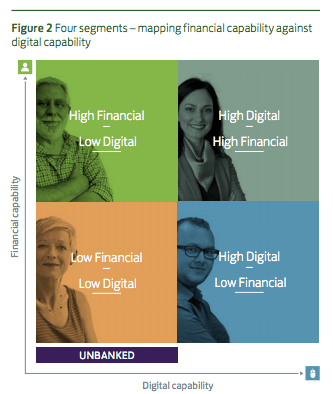
Last week I attended a sneak preview event of Lloyds Bank’s Consumer Digital Index – officially launched on Saturday – and a Lloyds/Demos roundtable event afterwards to discuss the important role of technology and digital in financial inclusion. I already knew that there was a close correlation between the two but this Digital Index backs it up, with robust figures taken from a research sample of 1 million Lloyds customers – the largest study of financial and digital capability ever conducted in the UK.

A lot people who are financially excluded are the same people who find themselves digitally excluded as well – people on a low incomes, with disabilities, and older people for example. It’s the link between digital and financial exclusion – particularly for this demographic aspect – that I’m really interested in.

Screen Shot 2016-01-25 at 12.03.55

The report maps financial capability against digital capability. Ideally, we want to reach the ‘unbanked’ [Source: Consumer Digital Index 2016, Lloyds Bank]

What’s the headline?

Tinder Foundation and our network of community partners are working towards a shared vision – to help people be capable to use the internet in a way that’s purposeful and beneficial to each of them. The majority of people who don’t use the internet are on low incomes, and financial capability is clearly essential for them. For people on low incomes, saving money by being online will help them in the long run, with consumers on the lowest income making average savings of £516 per year. We know that some people don’t use the internet because they can’t afford to buy equipment or afford broadband. People financially benefit by being online, but they lack the money to invest in getting online in the first place. It’s very much a chicken and egg scenario. I don’t know the solution (yet!) but we need to come up with something to break the cycle.

The stats

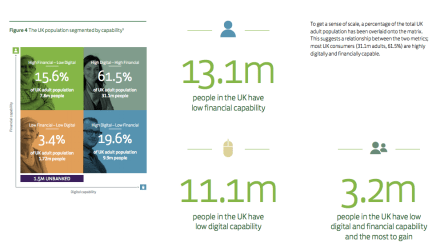
Being a big stats nerd, my favourite part of the Consumer Digital Index was the numbers. It’s encouraging to see that 31.1 million adults have high digital and high financial capability, but there’s still a disappointing 13.1 million people with low financial capability and 11.1 million with low digital capability. According to the Index, this works out as 3.2 million people in the UK today who have low digital AND financial capability. That’s 3.2 million people who are missing out on all the benefits, both financial and otherwise, that the internet can bring.

Screen Shot 2016-01-25 at 12.04.28

[Source: Consumer Digital Index 2016, Lloyds Bank]

The benefits

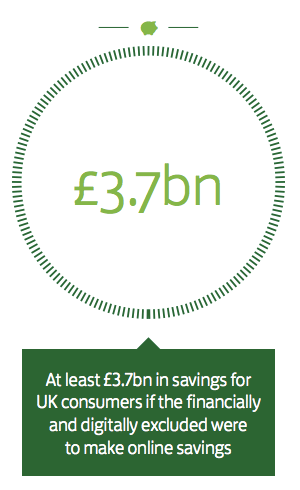
The Index says that if the financially and digitally excluded were to turn it all around and start to do more online, the benefit would be £3.7bn in savings for UK consumers. Savings are great, as are the other financial benefits that being online can bring. Being online means you can have access to debt advice and info from services like the Citizens Advice Bureau, for example.

Screen Shot 2016-01-25 at 12.03.19

[Source: Consumer Digital Index 2016, Lloyds Bank]

Choose digital

I understand that not everyone wants to do things online. Nick Williams, Consumer Digital Director of Lloyds Banking Group, said they have 24 million customers and only 11 million actually do their banking online.

One element of the Index that I found to be particularly useful was ‘The four elements of financial wellbeing’. Focussing on ‘Security’ and ‘Freedom of choice’ it looks at where consumers would be if they became financially included now and where this will lead them in the future. I have included the table below. As you can see there are both present and future benefits to choosing to be financially included and it would be unwise to ignore them.

Screen Shot 2016-01-25 at 12.03.40

[Source: Consumer Digital Index 2016, Lloyds Bank]

Behaviour change

When writing about the Index, a lot of the media have focussed on the amount of money people can save by being online. It’s definitely a motivator if even consumers on the lowest income can make average savings of £516 per year. Let’s go back to the ‘poverty conundrum’; the intractable challenge for people on low incomes. We need to make sure that they can afford the internet in order to make those savings. What we need to do is create a behaviour change, where people have the ability to get online and be in control of their finances now and be prepared for what they might need in the future; where people have the financial freedom now to enjoy life and be on track to meet their financial goals in the future.

This is the 21st century. Today, digital underpins almost everything. Here’s the punchline. We’re determined to reduce the number of people without basic digital skills as much as possible; that’s the day-job. We’ve got a goal to help more than one million people between now and 2020. What the sectors should be doing is working together as much as possible to help both fronts – financial and digital. Of course, you can create better financial capability without digital, but why would you? There are so many benefits for consumers when we make sure they go hand-in-hand.


Government digital strategy by me: An ambitious goal, a taskforce, and a 4-point plan

At our Digital Evolution conference in November, Ed Vaizey, Minister of State for Culture and the Digital Economy, said that since 2010 the Government has invested about £30m to help people get the basic digital skills they need to function as part of our increasingly digital society. This was the same day that Chancellor George Osborne delivered the Autumn Statement and Spending Review, giving the Government Digital Service a cash injection of £450 million. Ed talked about the people that Government investment to date has helped, and how important it is to do more – and he also told us that the Government sees digital participation as a continuingly important issue.

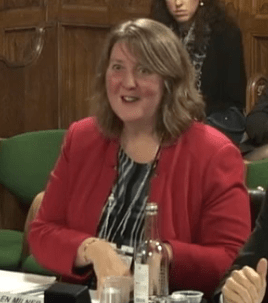
Naturally, I jumped at the chance to put my views across in person this week at the Science and Technology Select Committee in Parliament, examining the digital skills gap for the Government’s Digital Strategy Review.

Screen Shot 2016-01-15 at 14.33.29

Me giving evidence at the Select Committee. Image courtesy of parliamentlive.tv

There are still 12.6 million people in the UK who lack basic digital skills and of these, 49% are disabled, 63% are over 75 and 60% have no formal qualifications. But the punchline is that it’s the poorest in our society – those who are already being left behind – who aren’t benefiting from digital.

We’re in the same boat

I sat on a panel with Nick Williams, Consumer Digital Director of Lloyds Banking Group, and Margaret Sambell, Director of Strategy at the Tech Partnership. We were followed by another panel with Dr Ellen Helsper, Director of Graduate Studies and Associate Professor at the London School of Economics, Charlotte Holloway, Head of Policy and Associate Director at TechUK, and Steven Roberts, Strategic Transformation Director at Barclays PLC. Although the panel sessions were based around different topics, it seemed to me like we all feel the same way – we’re doing well but the government needs to take charge and work with many others to accelerate the digital agenda.

My four-point plan

You can watch the full meeting below, courtesy of Parliament Live TV, but one of the main things that I put across for consideration in the review was my four-point plan – something which I think is very important for the government to consider:

      • Leadership: The UK lacks clarity on what we want to achieve. We need a goal. I recommend that the Government sets a goal, for example 98% of the UK population with basic digital skills, and then provides the leadership and coordination to make sure we get on with it and succeed. Government is uniquely placed to convene and encourage key organisations to get this sorted.
      • Behavioural change: With so many people who have never used the internet saying it’s because they don’t see the relevance of the web to their lives, we don’t just need to help with skills – we need to get people interested in the first place. I think the private sector could lead this, as they’re already so good at persuading us to buy all sorts of things!
      • Skills, informal, and local: Our network is great, and all of the research shows why it works so well, as people want support to get basic digital skills by someone like them, which also means someone local to them too. Adults need learning to be informal, not to feel like school, and to be as personalised as possible. Tinder Foundation and our hyperlocal partners help about a quarter of a million people a year. We could double that delivery, but if you do the maths, us working along means we’d reach the 12.6 million at a much slower pace than we would if we worked together. What else can be done? Can the Government incentivise employers of low-skilled people to help them to digitally upskill their workforce for example?
      • Make digital more affordable: As the digital divide deepens, the cost of devices and broadband is a big issue for some who are still offline. People are finding things tough, and that means even the best deals are out of their reach. Government needs to work with tech companies and broadband providers to make digital more affordable. I don’t know the answer but I’m sure the Government using its convening power can bring relevant companies together and make the internet affordable for everyone, and especially to those in the lowest socio-economic groups.

Watch the video here. 

Speaking from experience

I listened with great interest to committee member Carol Monaghan MP, a member of the Scottish National Party. Carol seemed very clued up on digital inclusion and the importance of it, as she told us about her 80-year-old father who regularly tinkers with his iPad and makes mistakes, which his family then need to fix for him. She also said, however, that she was glad he at least tries to use it. This reminded me of the man that I met during my visit to Nottingham Libraries last week, whose family do all of his online transactions for him but don’t have time to teach him to do it himself.

In my final comments, I told the committee that I think the Government Digital Strategy should articulate a clear aim, and that I would like to see 98% of the population with basic digital skills by 2020. Norway is there already – it’s not an over-ambitious goal. I know 100% is a scary thought.

A goal that’s both ambitious and achievable, Government leadership through a taskforce or a cross-sector Council, and a four-point plan – that’s what we need. Then, together, we can achieve a better, stronger, more productive, digital nation, helping those most in need to become fully functioning members of our digital society.

To quote Dr Ellen Helsper, “Digital is 70% of my job, but 100% of my life” – let’s make it 100% of everyone’s.

Digital Revolution and a gateway for change

Last week was Tinder Foundation’s fourth annual Digital Evolution conference and a broad range of thought leaders, policy makers and community organisations came together to discuss how we can work together and continue to build and sustain our digital nation. I can’t believe the day is over again for another year but I believe it acted as a real gateway for change – an opportunity for the digital inclusion practitioners in attendance to express their opinions, share their experiences and gain new ideas on how they can contribute to our digital future.

Screen Shot 2015-12-03 at 15.13.43

Our vision

In the last five years we’ve helped more than 1.7 million people. Our vision – the vision of Tinder Foundation – is a world where everyone benefits from digital. But like I said on the day, it’s not actually about digital inclusion. Those words make people think of technology – this is a revolution about people. It’s about transforming people’s lives and building a stronger economy. What we’re all doing is working together to create digital fluency; creating people with basic digital skills and internet confidence. I feel like we really put this message across on the day and I hope those in attendance feel inspired to rally the troops and power forwards.

In my afternoon speech I made it very clear that Tinder Foundation, no matter what happens, will stick to the knitting. Our vision is digital inclusion for socially excluded people. The people who are left behind are the poorest and most vulnerable in society and we want to make sure they have the skills – employability, financial literacy, or even digital health – to improve their lives. We are not going to give up. Even it it falls out of fashion we’re still going to do it. Our network of community partners are a big club with a shared vision and we’re all doing this because we want to – because we believe in it.

Revolution, not Evolution

Four years ago, when we were planning our very first conference, I wanted to call it Digital Revolution, but the team wanted to make it a bit more ‘user-friendly’. To this day I still find it appropriate. The whole point of a revolution is about working together. Many voices united is stronger and more powerful than one voice alone. If we continue to work together to create our digital nation, we can make a real and visible difference. We can’t be complacent here – we need change.

It was Tinder Foundation’s birthday on Tuesday 1 December and we’ve come so far in the last four years – but there’s still much work to be done. The Autumn Statement and Spending Review took place on the same day as our conference and it brought some welcome news; news that will help us continue our revolution – an additional £450 million has been allocated for the Government Digital Service. I can’t wait to see what will be achieved with this cash injection. I’m sure it will be a lot.

Thank you

I’d like to say a very big thank you to everyone who attended Digital Evolution: Building a digital nation, thank you to all our partners, and thank you to our network of community partners. It’s the work they do that happens on the ground that really makes a difference. Thank you to all of our speakers and panellists on the day and especially thank you to Maggie Philbin for chairing. You were wonderful.

I can’t wait to see where we are and how many people our collective efforts have helped by 2016’s conference. Please keep doing what you’re doing, because together we can make a real difference. Until next year …

Transforming people’s lives, building a stronger economy

This is my speech from Tinder Foundation’s Digital Evolution: Building a digital nation conference. 

We’re all here as we share the same passion and the same ambition. We all want everyone in the UK to have the opportunities and benefits of digital.

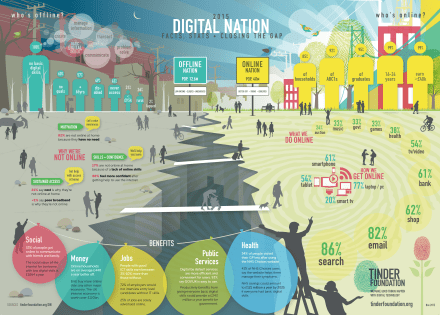
It wouldn’t be the Tinder Foundation conference if we didn’t launch our annual infographic with all the stats and facts you need if you’re thinking about digital inclusion. That great chasm – that cleft, an abyss – between the people who benefit from basic digital skills and those who don’t is a fitting metaphor for the divided society we live in and the wasted opportunity that we as a nation are facing.

Digital Nation infographic

This year there are a few differences – and one is the number of people lacking basic digital skills has gone up! It’s a good thing .. believe me. Thanks to our very good friends at Go On UK we now have a clear definition of the five basic digital skills and a robust measure of who’s lacking them. 12.6m people – that’s 1 in 5 adults who need support.

Of course it’s a picture of exclusion but it’s also important to have the stats on the benefits too. A report we published earlier this week shows the economic benefit to the NHS for everyone having basic digital skills is £131 million a year.

We commissioned economists CEBR to measure the net present value of everyone in the UK having basic digital skills. Digital is an amazing benefit but also a huge threat as it levels the playing field and makes the economic competition truly global.

Here’s the maths. Taking the cost of investment, the benefits to people and to government the NPV (net present value) is over £14 billion, or £2.5 bn a year from 2024. We’re facing a new industrial revolution and digital is the architect – with all jobs and all workplaces underpinned by digital.

Today is the spending review announcement we know that Cameron has already pledged £1.7 bn in broadband over the next five years, let’s see today if George Osborne will announce investment in the people and the new basic skills they need to use that infrastructure and to fuel this new, digital £2.5 bn annual productivity boost.

Let’s not talk about digital inclusion – it makes people think of technology and this is a revolution about people. It’s not digital inclusion, it’s about transforming people’s lives, and about building a stronger economy.

It’s about people like Pat and Wendy who use digital to make the NHS work better for them and to improve their health and Mike who had no hope for a job moving to multiple job offers. It’s about transforming their lives and the hundreds and thousands of people helped every day across the country by organisations – community organisations and libraries – like many of you in the room today.

Every single person having the opportunity to be part of this digital revolution, every person making our economy stronger.

Digital inclusion: a very hot topic

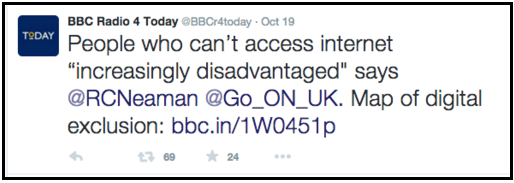
Monday this week was a very exciting day for one of our favourite partners – Go ON UK – and for digital inclusion as a whole. Digital inclusion was on the Today Programme, and BBC 5 Live, Guardian and Telegraph, and was trending on the BBC news website and on Twitter – now that’s the sort of noise we really want for digital inclusion. Well done Go ON UK!

BBC 4 tweet

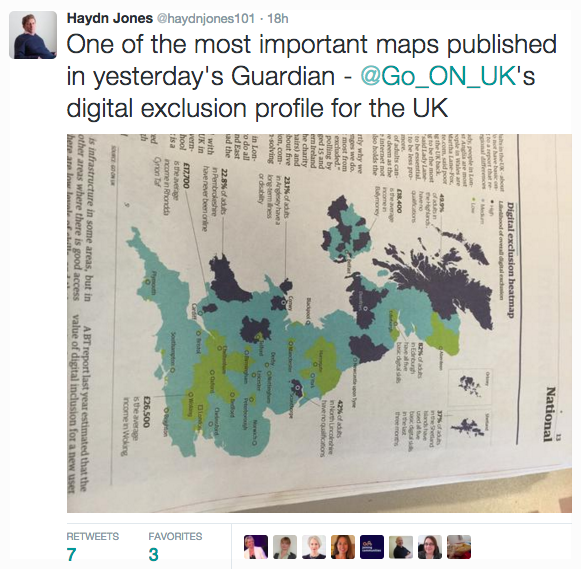
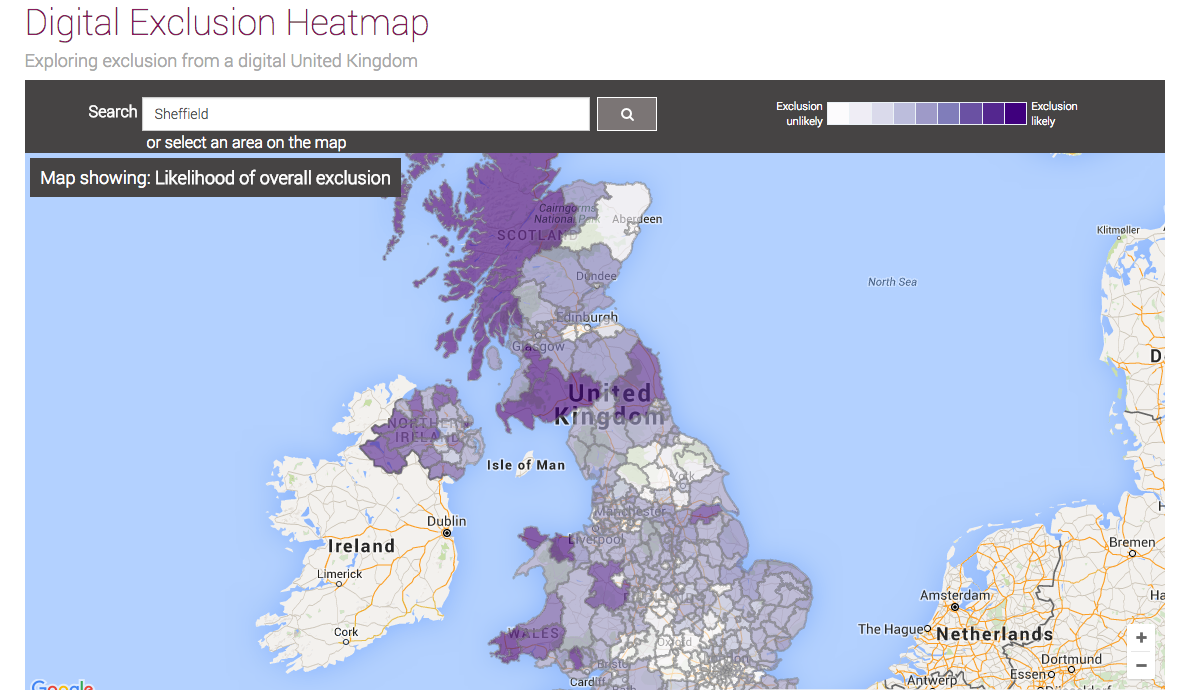
It was the day that Go ON UK unveiled some wonderful new resources to tackle issues of digital exclusion. The resources that Go ON UK have created are a great asset to the sector, and as a stats nerd I’m particularly interested in their Digital Exclusion Heatmap, which allows anyone with an interest to look at the factors most likely to contribute to digital exclusion in an area. By searching for an area, you can pull up a range of stats about broadband infrastructure, levels of internet access and basic digital skills, as well as age, education levels, health and income. Finding out this information means we can determine why people are digitally excluded and then we can really take action and do something about it.

Haydn Jones

Three of my colleagues – Vicky, James and Emily – attended the big launch event at the House of Lords, and I was really sorry I couldn’t be there. Vicky’s blogged about the event here.

As Vicky says, it’s a complex issue, with multiple barriers and factors meaning it can be extremely difficult to pinpoint whether an adult in the UK is likely to be excluded or not. However, the heatmap gives us a great starting point – helping us determine where we need to focus our attentions; so we can make sure we’re focussed on the right areas.

Go ON UK also released some new research that shows that 12.6 million people in the UK don’t have the basic digital skills they need to participate in today’s digital society. The eagle-eyed amongst you will have noticed that this number has gone up not down – and of course we’re not saying that people aren’t being helped to get the skills they need. So what’s going on with the numbers? This year the skill of “problem solving” (such as verifying information found online) has been added to the basic online skills we previously had – moving up to 5 different types of online and digital skills (from 4 last year). We’ve now got a baseline we can work with and Go ON UK will be reviewing this data annually so we can measure our collective impact.

Heat Map

I love that the Heatmap creates such a full picture of the whole of the UK, and it’s really user-friendly so can be a great resource for organisations, from local authorities through to the grassroots organisations we’re supporting in the UK online centres network.

Another part of Go ON UK’s big unveil was their new website, Go ON Local. This gives local authorities and others the most useful and relevant resources to help them tackle the digital inclusion issue head on, so it goes hand in hand with the Heatmap. It’s great to see lots of our own resources and others on there.

Rachel Neaman (CEO of Go ON UK) stood up at our conference last November and said that we needed a Heatmap of digital exclusion – this week she unveiled it. She’s a woman of her conviction… I look forward to what she’ll be saying this year.

Get Online Week – when anything can happen

Get Online Week is unpredictable. I saw endless amounts digital inclusion activity, both in person and online, and met a lot of inspiring and wonderful people. Some things I expected – meeting socially excluded learners, meeting the great volunteers who work so hard, and seeing the different things our community partners have to offer – but some things were unexpected and pleasant surprises – such as the popularity of our City and Guilds Online Basics qualification and the success of Exeter Library’s Fab Lab. All in all, it was a wonderfully successful week for me, my team and our vast network of community partners.

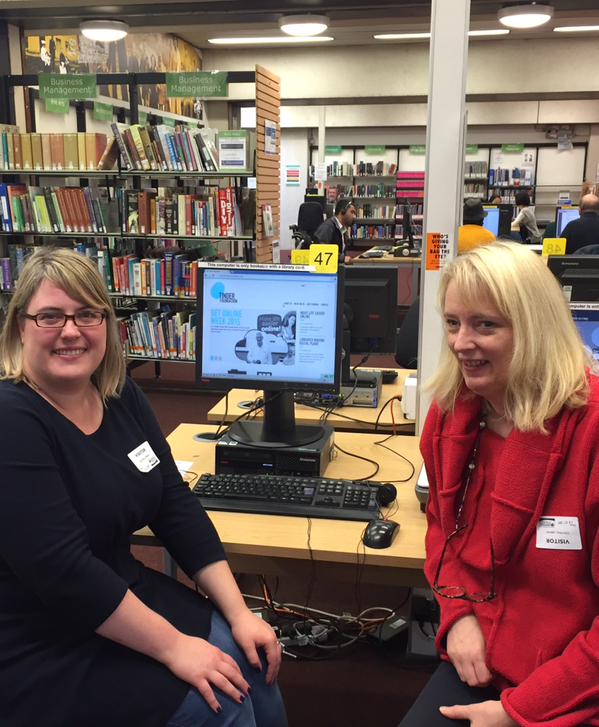
The Tinder Foundation team visited almost every corner of the UK. I visited an event in Sheffield at Longley 4G, and went down to Exeter to visit two centres, St Loyes and St Sidwell’s, as well as Exeter Library. I had a very different experience in all of them and it really opened my eyes to the reality of digital and social exclusion and the need for digital equality.

Team work

In an ideal world I’d have been able to visit all the Get Online Week events but unfortunately that’s not possible for one woman to do in seven days, so the Tinder Foundation team were my little helpers for the week and went out in their masses to visit all kinds of centres in different parts of the country.

I can’t stop shouting about the work we’re doing with libraries at the moment – it’s a subject that’s really close to my heart – and lots of my colleagues managed to pay visits to different libraries. Our Finance Director, Margaret, went to Oxford Library to say hello and see what they’re up to; our Head of Digital, James, popped along to Goldthorpe Library to help people try out different devices for getting online; and one of our newest additions to the team, our Research Intern, Sharon (who’s working very hard on our Libraries Digital Inclusion Fund project) visited Chesterfield Library to interview one of their learners for the project. This is just to name a few…

Margaret GOLW visit

Margaret really enjoyed her visit to Oxford Library

Some of us visited familiar haunts – our Senior Learning and Development Coordinator, Alison, went to Destinations@Saltburn for their employment-focussed event – and some of us went to completely new locations – Wider Network Manager, Caroline, visited our new partners, Remploy, in Sunderland to see how they’re getting on.

Some of us went further afield. Our Director of Business and Innovation, Adam, went all the way down to Somerset Media Solutions in Chard for their brilliantly named ‘TechNOphobia’ event, while our Content Marketing Officer, Sam, went to Prestonpans just outside of Edinburgh for their library’s employment drop-in session – and our Head of Marketing, Communications and Bids, Anna, went to Barrow Libraries to see their Digital Surgery with local MP, John Woodcock, in action. She was very impressed with the event, which around 40 people attended.

Learners

Some of the wonderful people Adam met at Somerset Media Solutions

Even the Ministers were getting involved

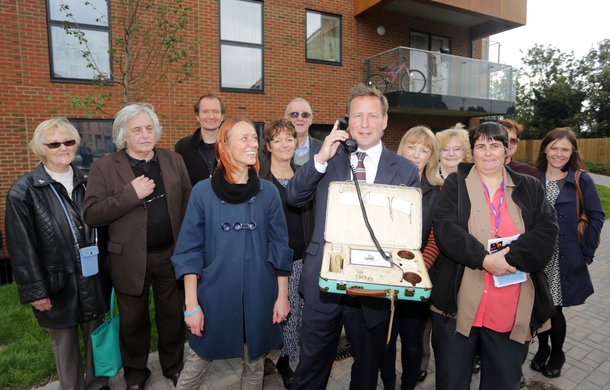
We weren’t the only ones enjoying the fun. I was thrilled to see Minister of State for Culture and the Digital Economy, Ed Vaizey MP, out and about, visiting Erith Park in Bexley, part of housing association, Orbit Group. I think it’s important for the government to acknowledge digital inclusion, after all, they are the ones who can make the big things happen, and the fact that Ed took the time to get involved with our campaign was wonderful.

He showed his support by taking part in their innovative Walk the Talk tour which helps build community engagement through the use of a ‘digital suitcase’. Residents can get involved by passing the suitcase from person to person and using an old-fashioned telephone inside to record stories.

Orbit Group are also doing other wonderful things. The residents said that they love where they live but find it difficult to get to know their neighbours, so interactive screens have been set up in stairwells for neighbours to take selfies, leave messages and introduce themselves to kick-start interactions with their future friends.

They’re doing some really great and innovative work in the field of digital and this was recognised by the Minister: “The work being done in Erith Park is brilliant and it’s great to see Bexley taking part in the nationwide Get Online Week initiative. Getting online and embracing new technology is becoming more and more important in this digital age, and I congratulate all involved in this innovative scheme aimed at using technology to build community engagement.”

12-10-2015 Picture shows : Ed Vaizey MP tours new development Erith Park in Kent. Carl Fox 07966 349 562 www.carlfoxphoto.com

Ed Vaizey MP tours new development Erith Park in Kent. Image courtesy of Carl Fox (www.carlfoxphoto.com) via Digital By Default News

Dare devils

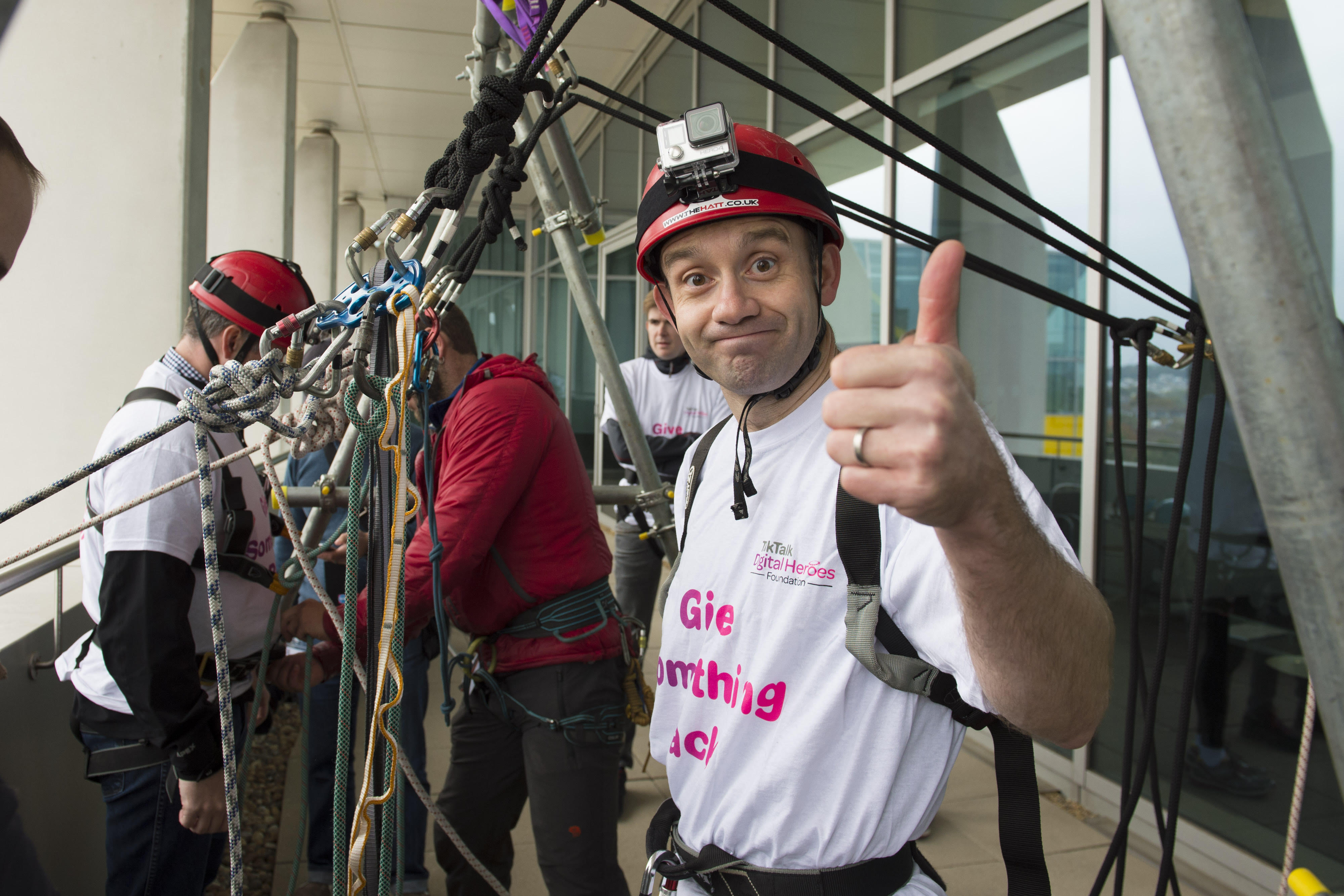
To top off the week, in a big end of campaign twist, our Director of Business and Innovation, Adam, along with TalkTalk CEO Dido Harding and Go ON UK’s Rachel Neaman, abseiled 120ft down TalkTalk’s Shepherd’s Bush office – all in the name of digital inclusion.

I applaud their bravery and the fact that the promise of the Get Online Week abseil encouraged hundreds of TalkTalk employees to share their digital skills as volunteers at local UK online centres. A big pat on the back to all!

Adam gets ready for the abseil

Adam gets ready for the abseil

I think this has been one of our most successful and eventful Get Online Weeks to date. The #GOLW15 hashtag was used almost 2400 times over the week and our social media campaign, #EasierOnline, almost 1200 times. On top of that #getonlineweek was used almost 900 times. I really enjoyed seeing all your pictures and posts. Here are a few of my favourites below:

Thank you to everyone who posted on Twitter and Facebook

Thank you to everyone who posted on Twitter and Facebook

Next year’s campaign will be our ten-year anniversary, so we’ll be aiming to make that our biggest and best Get Online Week yet, but if this year is anything to go by it’s going to be a hard one to beat. Maybe I should encourage the Tinder Foundation team to do a Get Online Week skydive…

People with disabilities excluded from web opportunities

Yesterday an interesting report was published by Ofcom (“Disabled consumers’ use of communications services”) looking at the take-up and use of the internet by disabled adults. It provides much needed insight into the similarities – and the differences – between those who are offline and have a disability, and those who don’t.

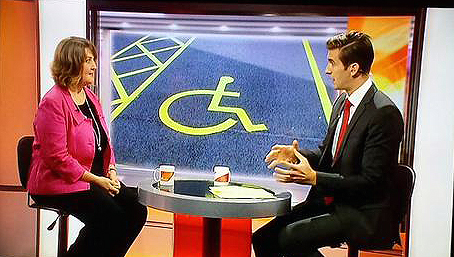
Late yesterday I got a phone call asking me to appear on this morning’s edition (Friday 2 October) of BBC Breakfast, to talk about the barriers that disabled people face when getting online and to highlight the consequential exclusion to savings, discounts, and the convenience of internet services.

Helen on BBC

The report suggests that demographic differences offer only a partial explanation for differing levels of communication device and service take-up. Other factors, perhaps related to the disability itself, may affect ownership and use of key communication services such as the internet.

Over three million people with disability do not use the internet, and only 55% of disabled people have internet access compared to 83% of non-disabled people.

Some of the barriers that disabled people face are the same as those of non-disabled, such as lack of skills or affordability. We also know that some disabilities occur due to ageing, and older people are more likely to lack basic digital skills than younger people. People on low income are also more likely to be non-users of the internet, and disabled people are more likely to be unemployed than non-disabled people. This all makes it hard to discover which demographics are the causal link to being offline. However, the report does show that when all other demographics are removed, there is still a higher probability for a disabled person to lack basic digital skills. Accessibility is a barrier for some, and the report also highlights that people with disabilities are more likely to live alone and that also leads to less shared internet access.

Tinder Foundation’s network of community partners are working hard to make sure everyone has an equal chance to get online, and we’ve created a range of resources and support to help our local partners do more to help disabled people – and to make sure we can really make an impact on these figures.

Lian Pate and the team at Banbury SWITCH in Accrington are one of the centres doing just this, and they were kind enough to step up at the last minute and let the BBC Breakfast crew film at their centre. It was great to see their story on prime-time morning TV, which really helped illustrate the real impact that the internet can have on making disabled people’s lives easier – so I’d like to say a big thank you to them for all their help last night, and to all of our local partners for the fantastic work they do every day.

And it was nice to be on the telly to talk about the urgency to create a more equal nation, even though I had to get up super early.