ND15: The deadline for a digital nation

Yesterday, I had the pleasure of giving the closing keynote for the National Digital Conference below. Here’s what I said.

Every story needs a beginning, a middle and an end, so this is where my digital journey started.

This is a photo of me in 1985 – 30 years ago. When I first started working in the internet sector (helping children to communicate online) the world wide web hadn’t even been invented yet.
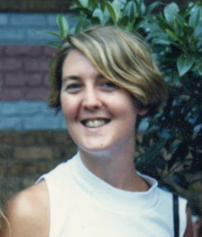
Helen, 1985


We’ve seen such our society be transformed immensely: the way we work and collaborate, and start and build businesses; and, the way we live, 24/7 shopping, banking, social contact, pay our taxes.

Matthew Hancock’s speech earlier today was so positive, I believe that he wants to make services better – as well as cheaper – through digital.

Many things have been transformed to such an extent that we no longer recognise it. The only person who ever writes me a letter for example is my Mum.

In 1985 a futurologist, Ray Hammond, said “Now that day has arrived … the humble school micro provides a gateway to a world of knowledge so vast that it is breathtaking at its first acquaintance” So there’s a part of me that thinks if we knew of the power of the internet, why in 2015 do we live in such a divided society?

We live in a digital society and we live in a divided society, and an unequal digital society.

In 2015 if you’re born poor you will die poor. We have over 1m people who need to eat from food banks. People are having the benefits stopped because they don’t know how to search for jobs online using Universal Job Match.

We live in a divided nation – and digital exacerbates that.

It isn’t right that 10m people’s lives are poorer and harder because they can’t or don’t use the internet. I’ve been impressed and pleased with the support that the new Government is showing to digital inclusion. Matthew Hancock understands technology and wants to make lives better – it’s a good start.

Today we heard Ed Vaizey say that the Government was refreshed, energetic and keen to do more with digital and digital inclusion.

It’s likely that in this age of austerity the driver for digital inclusion – however it’s presented – is to reduce the costs of people transacting with Government. The people who are excluded, are high volume users of Government services, so if they remain excluded they will continue to cost the Government a lot of money. The digital transformation of Government can’t succeed with 10m people lacking basic digital skills.

So why in 2015 do we have such a digitally divided society?

We have a great sector, we have a lot of great people and organisations doing great work. Looking across the room today it’s fabulous to have collaborative cross sector drive and leadership from public, private, and the voluntary and community sector here sharing ideas and passions.

But we need a better plan. A more ambitious plan.

I have two sons and the older one is football mad. From the age of about two he kicked balls around, so we started that weekend delight of watching small boys play football badly – usually on very cold days – from when he was about six years old. If you’ve ever watch small children play football you’ll know what I mean – no space, no tactics, no strategy, just ‘look there’s the ball’ and run after it. Sometimes I think the digital inclusion sector is a bit like those six year olds playing football.

We’ve heard many good speeches today, fascinating stats, and great ideas.

Rachel Neaman started well this morning suggesting that we should eradicate digital exclusion, the gender imbalance in the tech sector, and poor digital skills in businesses by 2025. By the time of the 20th National Digital Conference.

I’d like to be more ambitious and take one of those – digital exclusion – and set ourselves a deadline – 2020. By 2020 let’s not live in a digitally divided nation.

Here are four things that worry me that we need to sort:


1. There’s no silver bullet

We know what works – community based support and help, personalised – supported with leadership and guidance from organisations like Tinder Foundation and others – who help with ideas, products and support.

Simply more investment in what works results in more people gaining digital skills and changing their lives. Martha said earlier that it’s foolish to not spend money as the money saved is far greater than the money we need to spend.

2. Why don’t Employers do more for their own staff?

It’s great to work with Lloyds Banking Group, Vodafone, TalkTalk and BT on projects and digital champions. Thank you for your support, it’s really valuable.

But what about employers working to upskill their own staff? How about: A Digital Basics Employer Accreditation or Investors in Digital People. Just like an employer can get accreditation for being a Living Wage employer how about a “Digital Basics” Employer. Why not a transparent accreditation or badge for an employer who knows that all their staff have basic digital skills. And it must include contract staff such as cleaners, security, and catering staff.

And let’s start with the Public Service. Government just must know that all their staff and all their contract staff have basic digital skills. They must do it.

3. What about the really poor people who just can’t afford devices and broadband?

Today on the radio I heard a woman from a charity working in Calais giving support to migrants and asylum seekers sleeping rough. She said they provided them with “food, clothes, and phone chargers”.

As the digital divide narrows it deepens. A year ago 21% of people said that they didn’t use the internet because of the cost of devices and broadband. This year it’s 32%. We must acknowledge that there are people who just can’t afford it.

Whose responsibility is it to tackle this issue?

Will we look back and think this is a basic utility just like electricity and gas?

Instinctively this feels too risky – from a ‘Daily Mail’ point of view for the Gov to get involved – so that leaves the private and the volcom sector.

Without a solution to this issue we will always leave people behind.

4. Better understanding of the relationship between improved social outcomes and the digital inclusion contribution to that impact

Last year we commissioned “A Leading Digital Nation by 2020: Calculating the cost of delivery online skills for all” with Economist, Catherine McDonald. It’s a great read that proves that the investment is low compared to the reward.

However, what Catherine’s report did say is that by 2020 6.3m people will still lack basic digital skills if we just keep doing what we’re doing now (at today’s investment).

Those 6.3m people will be the poorest, the disabled, young and old people lacking a range of skills, and who will have a range of complex needs.

We know that digital inclusion drives social inclusion, I’ve met people who tell me that they are alive because a local community organisation helped them to learn how to use the internet. It saved their lives. This is the sort of transformation we want more of.

We know this, but we need more evidence and we need to know what more we can do to drive better social outcomes through digital inclusion. Focusing first on the social impact, seeing digital as the tool to get there.

Today it’s announced that Tinder Foundation, working with Family Fund, Mind, Homeless Link, and a number of local community organisations will rebuild the lives of people through the Rebook UK project. personalised digital skills training and community-based support which will enable them to be more in charge of their own lives. So by Christmas we’ll have a few more answers.

We need to be more ambitious. But are we just too polite and too patient.


We should get angry and get organised.


We need a deadline.


Let’s pledge to 100% of people in the UK using the internet by 2020.

In 2020, let us all be here celebrating a digital nation, that inclusive and equal for everyone.
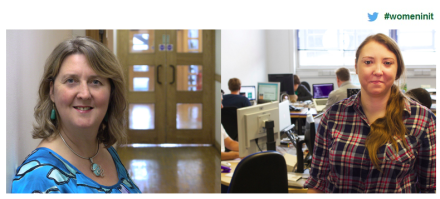
Working in tech: the gender balance

Working in tech: the gender balance When BCS Women asked me to be part of their #WomeninIT campaign I immediately said yes. It’s a great and inspiring campaign.

The best businesses have both men and women in them, and the tech sector is exactly the same. I believe women should consider a career in IT because the work this sector does is important, it will be a big part of the future, and because we need female and male voices in the development of this sector.


Everything we do, particularly in the UK, is now delivered through technology, and if women don’t have a say in how those industries are run, then we’re going to have an unbalanced society that doesn’t function for everyone.

I hope some of the women that Tinder Foundation and our network are helping to use the internet for the first time can come and be women working in the tech sector.

I’m really happy to be joined by Jessica Scott, Tinder Foundation’s Junior Web Developer in the Women in IT campaign. Thirty years into my career, it’s really interesting to hear from someone who is just starting out, and her passion and enthusiasm for making good things happen in tech is infectious.Women in IT campaign


I hope you enjoy reading about both of our experiences in tech, and please do share them with anyone, of any gender, you think would be interested.

Tinder Foundation’s Annual Review

Tinder Foundation launched its Annual Review earlier this week, and I couldn’t be prouder of what we have accomplished!


As you browse through it I hope you get a very real sense of the many ways we are making an impact. Here are some of the highlights.

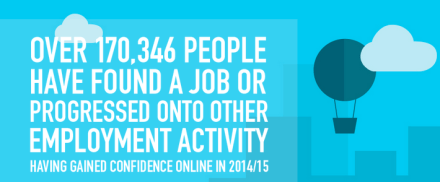
Annual Review Employment Stat 1


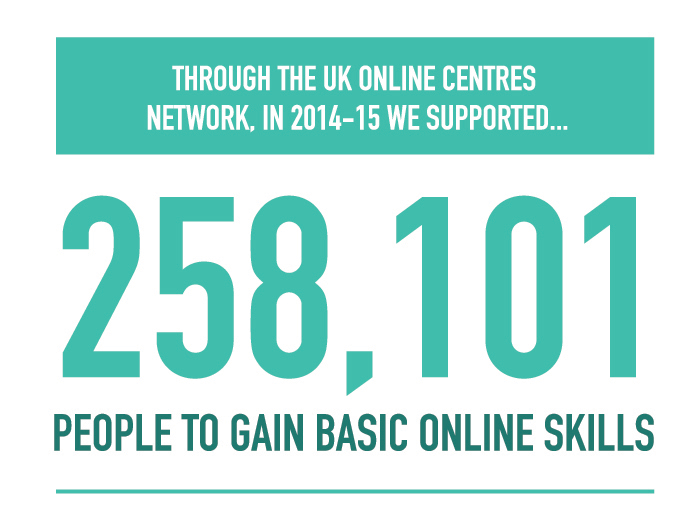
258,101-(1)


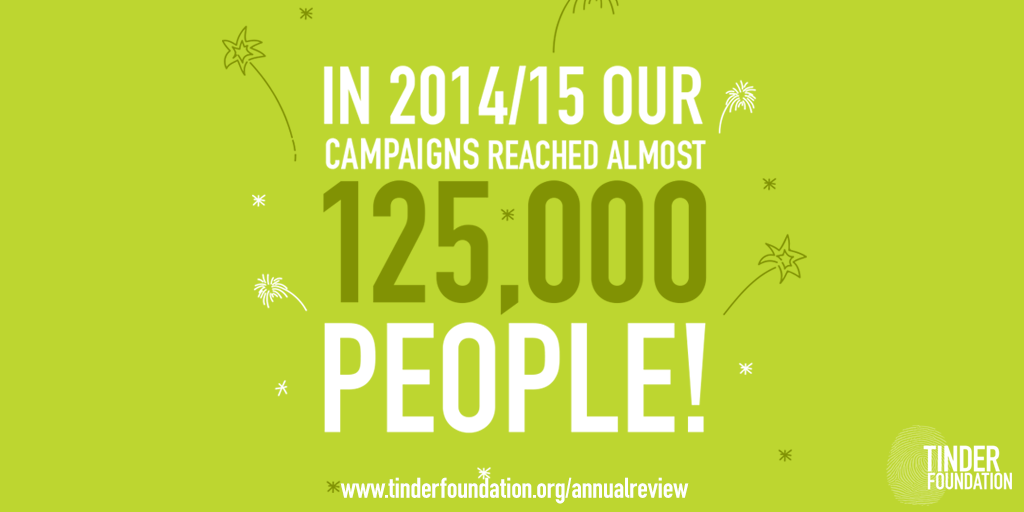
And how we are reaching people all around the UK to improve their lives by using the internet.

twitter_instreamimage_AR_campaign


All of which wouldn’t be possible without the UK online centres network – our 5,000 community partners that enable us to deliver digital skills training at scale.

twitter_instreamimage_AR_centres


We also reveal some exciting things we have coming up, including new partnerships and projects to reach even more people.

Looking ahead


As ever, I’d love to know what you think of our review. Tweet me @helenmilner or email hello@tinderfoundation.org

I’m delighted and determined

I’m thrilled, shocked, overwhelmed…the list goes on…as today it was announced in the Queen’s Birthday Honours List that I have been awarded an OBE.

But most importantly I’m proud. I’m proud of the thousands of people this award also belongs to, who have all contributed to eradicating the digital inequalities in our country so that millions of people can live a better life.

I wish I could name every single person: the 5,000 hyperlocal partners in the UK online centres network, whose dedication often humbles me; the hard-working and happy 46-strong team at Tinder Foundation; the amazing Jim Knight (Tinder Foundation’s Chair) and all our committed Board who have provided so much friendship, guidance and support; and of course my family and friends.

This award really does belong to everyone who has worked tirelessly to reduce the inequalities in our country by helping others to benefit as part of our digital society. We’ve all done something to make a difference, and I know we’ll keep on going because it matters more than ever.

Now that it’s sinking in, this award has given me a push to do even more because 9.5 million (the number of adults in the UK who don’t or can’t use the internet) isn’t a figure I’m happy – or proud about – at all. In fact I hate it, and I want to keep reducing that figure until I can write on here one day that we have achieved a truly digital nation.

I’m going to take the weekend off to keep feeling happy and feeling proud of my part in this story. But on Monday I will be back, with ever more determination to work with anyone who wants to help to end digital inequality once and forever.

Proud to be part of the Women in IT Community

I never expect to be recognised for things. I think the moment you do that’s when you take your eye off the ball and lose focus on why you’re doing something in the first place. That’s not to say it’s not a nice feeling when it happens – and in this case, being nominated for the UK’s most influential woman in IT is fabulous because it recognises a group of women are doing great things with technology.

Last week I found out I have been included in Computer Weekly’s Top 50 most influential women in the UK IT community list. It’s really lovely to have been included, particularly as my name sits besides some of the most important names in the industry, and a lot of women I personally admire, respect, and lucky to call friends. There’s so many to mention, but here’s a few…

  • Dido Harding, CEO of TalkTalk – I recently spent the day with Dido and witnessed her address her 100 TalkTalk employees, motivating them to become Digital Champions. She leads from the front but is also in touch with her customers and their needs. She is a force to be reckoned with.
  • Martha Lane Fox – a friend and ambassador, who has done so much for digital inclusion, she’s a role model for women entrepreneurs, and is now influencing decision makers in the House of Lords.
  • Maggie Philbin – an icon to so many people, and me, she has helped and influenced over the last 30 years. I’m delighted Maggie has agreed to host Tinder Foundation’s annual conference at the BT Centre in London on 25th November.
  • Emma Mulqueeny – an expert when it comes to implementing digital strategies, she is so passionate and persuasive about the power of digital to change politics, I had the pleasure of working alongside Emma for the House of Commons Speaker’s Commission on Digital Democracy.
  • Gillian Arnold – Chair of BCSWomen, part of the Chartered Institute for IT, which is currently running its Women in IT campaign. A fantastic leader shining a spotlight on senior and junior women pushing through the digital glass ceiling.

It’s well worth taking a look at the full list of IT most influential women nominees here and casting your vote (voting closes at 5pm on Monday 15th June). If you feel like voting for me – thank you.

People power: Enabling the Digital Agenda

Can Government expect the ‘Digital by Default’ agenda to be fulfilled if it doesn’t leverage digital channels itself? Of course not, which is why I was pleased that the recent Digital Friends initiative, launched by the Cabinet Office and the Government Digital Service, is urging civil servants in particular to get involved. I’m also pleased that many organisations including the BBC, BT, Lloyds Banking Group and Tinder Foundation are involved… To continue reading my thoughts on enabling the Digital Agenda visit Your Ready Business where this blog was originally published.

The Scandinavian Digital Inclusion Experience

Last week I was at Inkluderaflera in Copenhagen sharing successes and experiences with digital inclusion policy makers and practitioners from across Scandinavia. Quite often I quote the high digital user stats from Norway as a shining beacon of what is possible – “if Norway can have 96% of their population as digital users then why can’t the UK?”. I was in Denmark and they too have 96% of their population online too. So I was surprised to hear they thought that they had things to learn from us.

I learned many things from the Scandinavian Experience, but one big take away is around digital by default. In Denmark they have decided to scrap paper correspondence with all citizens. Everyone has a national ID number and a digital post box. Everyone has to use it. On first look it’s very much like our own Gov.UK, but it’s obligatory and personalised. Here’s their page to set up the ‘digital box’ and digital signature.

I think the UK Government should think about doing this too; the Danes have shown it’s possible. This scale of obligation then makes helping those who can’t use digital services essential and not just a nice-to-have.

So what can we learn about the Danish experience?

  • People can apply for an exception if you really can’t interact with Government online: 11% of Danes have applied and been successfully granted an exception
  • Plus there are others who have applied for a family member to be officially allowed to go onto the digital box and help a loved one to use it

Three groups of people have problems using the online system – and the Danish Government have developed initiatives for them:

  • Young People (who have no intellectual understanding of why they would want to interact with Government)
  • Recent immigrants with no Danish and poor/no education in country of origin
  • Socially excluded such as homeless people and others.

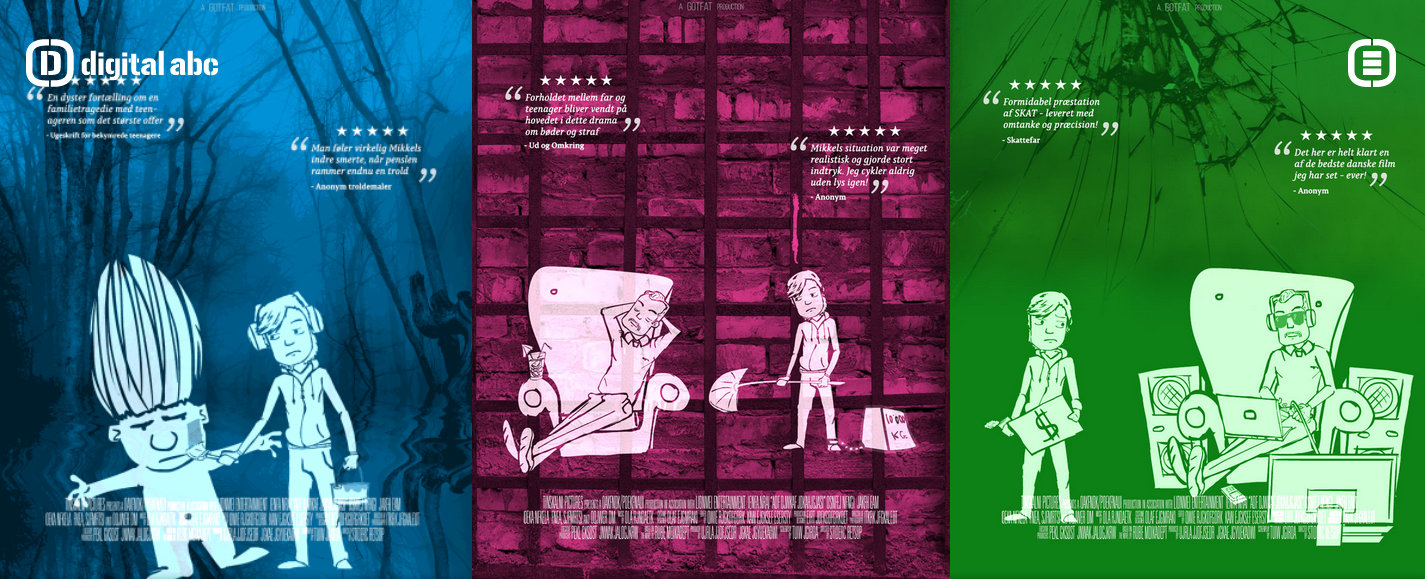
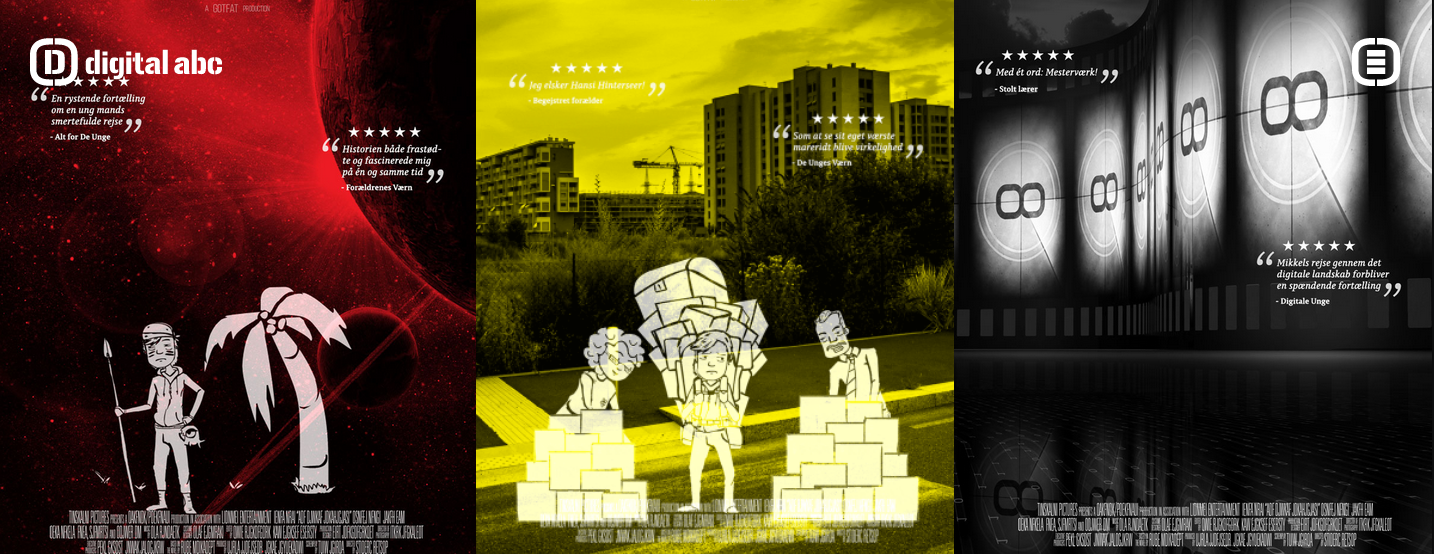
Young people having a problem was a big surprise. But they have tackled it by designing the Digital ABC  where all 15 year olds get a paper letter on their 15th birthday to tell them that they have to go online to engage with Government.

Helen copenhagen blog 4


Helen Copenhagen 5


The big difference between the UK and Denmark is scale. We have almost as many people in the UK without basic digital skills (10m) than the total population of Denmark and Norway combined (5.6m + 5m = 10.6m). If we could do what we do in the UK (with the right investment) then we could wipe out the 220,000 digitally excluded in Denmark in a year – since we currently help around 220,000 people a year in the UK. Right? Wrong.

Wrong because the number is actually much bigger than 220,000. Just like in the UK the big issue isn’t about helping people take their first few steps in the online world – nor is it about broadband availability for the majority – it’s about what people can do online. It’s about relevant and purposeful use of the internet. Digital inclusion is helping people to be confident and independent users of the internet to do whatever they want to do today and what they will need to do tomorrow and next month and next year. The Scandinavians want to learn from us as we all need to crack helping the whole population to be confident and frequent users of the internet – and that’s hard.

It’s great to hear that we’re world class in what we do in the UK – even in the eyes of those who we think have achieved so much. But it just brings home how big the task is and how we really need to accelerate our pace in the UK if we’re not going to leave millions behind.

As always happy to share my slides with complete freedom for people to download, edit and use. Here are my slides from the conference in Copenhagen.

Jeremy Hunt should listen to this woman

There’s been a lot of discussion in the last 48 hours around the fact Jeremy Hunt, whose views on health – and mental health in particular – never fail to reach the headlines, is to remain as health secretary. It also happens to be Mental Health Awareness Week.

Last week I had some minor surgery done at my local NHS hospital in Sheffield. I was a day patient for over eight hours, and throughout that time I was treated and cared for by a wonderful team. I left that day feeling very lucky to have access to the wonderful NHS – a resource that is so easy to take for granted. (I’m fine by the way.)

I am fortunate that my job allows me to see so many examples of the great work the NHS does through Tinder Foundation’s Widening Digital Participation Programme.

The programme, which is heading into its third year:

  • Has reached 235,465 people to raise awareness of digital health resources
  • 140,892 people have been trained to manage their health online
  • 51% of those people taking part have been able to explore new ways of improving their mental health

If numbers aren’t really your thing, then I’d recommend watching this brilliant video and hearing directly from some of the people that have benefitted.

Jeremy Hunt, you should watch this video and if you’re really pushed for time, fast-forward to 2:00 minutes to hear one of my favourite quotes from a woman who makes a lot of sense.


I’m proud to say that the Widening Digital Participation Programme has been nominated for an award at the Digital Leaders 100.

I’m so pleased that the hard work and dedication of our team, including the UK online centres, and NHS England is being recognised through this prestigious industry award. If you’ve got another couple of minutes please do head across to their website and give us a vote.

Roger: a long journey to hope

One cold, dark, rainy Friday morning in January, I got onto the 7.27am train from Sheffield to London and sat at a table opposite a woman. I had those “winter blues”; too many months without proper sunshine, catching early morning trains, and Friday is usually the day when I get to see the team in the office.

After a while the woman opposite and I got talking. She worked for NHS England and was also feeling tired having stayed up until 2am working on an important document. The first nice thing was that she had heard positive things about Tinder Foundation and our NHS England Widening Participation programme. The second nice thing was that I found myself talking about the work I do – with the team, and with the thousands of community partners that we have – and about the impact of that work. One person I talked about in particular was Roger Hamilton, and his remarkable story.

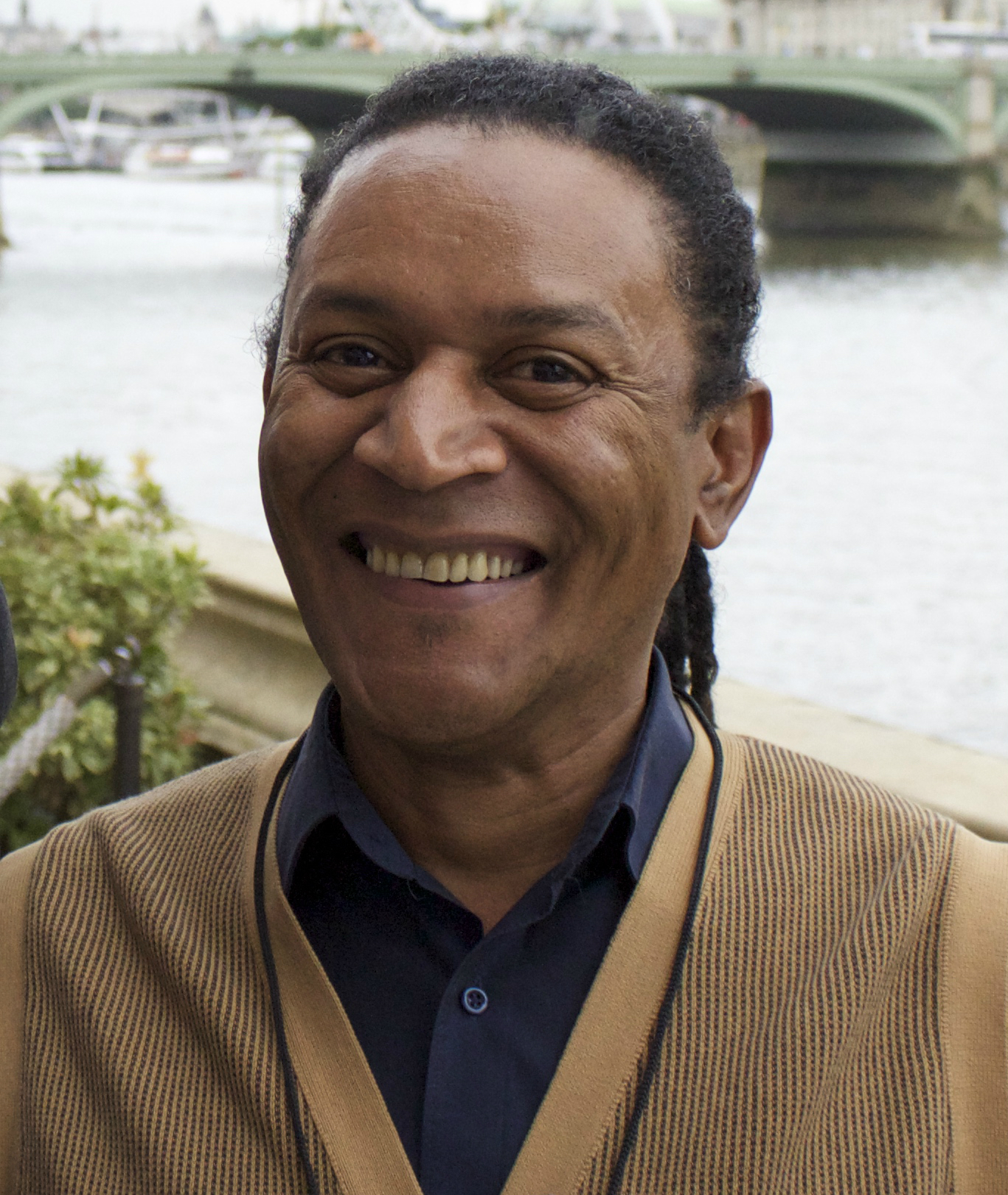
Roger Hamilton

Roger Hamilton

The first time I met Roger was at an event at the House of Commons that we hosted back in 2012, where he was working at St Mungo’s homeless charity (now St Mungo’s Broadway). He had returned to the UK after spending some time in Jamaica, and found himself without work, without friends and family, and without anywhere to live.

He spent ten years homeless, sofa surfing, living in hostels, and some time rough sleeping, and this chaotic lifestyle led to poor health and to despair. In 2010 he found his way to St Mungo’s, where he found shelter and support, and he then visited a local UK online centre (Holborn Library) where he learned how to use the internet and he found hope.

Roger told me that when he was living in Jamaica, computers and the internet were luxuries. When he came back to London he didn’t have the skills to participate in society, and he didn’t have the skills he needed to find work. Roger got the basics of how to use the internet at the UK online centre in Holborn Library, using Learn My Way; he was then supported by St Mungo’s to get more skills.

He felt empowered, he felt in touch with the world, and he found himself supporting other people at St Mungo’s to keep motivated to get the skills they need for an increasingly digital world. He began by volunteering and then moved into paid work as a tutor, but then he left St Mungo’s to move onto another job and we lost touch. I was so moved by Roger and how he spoke so eloquently and powerfully, and was so committed to helping other people to make the same transformative journey he had made, that I never forgot him.

Last year I was delighted to get an invitation to visit to St Mungo’s Broadway, because I have always been impressed with the work they do. I met with the CEO and his team, and then had a walk around their venue and met some people who were just beginning to use the internet and were feeling more positive about their futures. I asked one of the staff if they remembered Roger, she looked at me a bit confused, and said “he works here”. So, Roger had left and come back again. I was so happy to see him again and to hear about how well he was doing. He is now a Job Coach at St Mungo’s Broadway and he’s helping people there to gain skills, and dignity, and hope.

Roger working at St Mungo’s Broadway

Roger working at St Mungo’s Broadway

The woman on the train remarked on the huge cost to the NHS of homeless people, who often suffer poor health and piecemeal support from the health service. A 2012 report says that just one homeless person costs Government between £24,000 – £30,000 a year, and it’s likely that figure is now even higher. So policy makers can look at the fiscal benefits, as well as the human benefits, of helping just one person who (like Roger a few years ago) is homeless.

Roger’s story is so powerful, and I thought you too would like to feel this ray of sunshine whenever the sky near you is looking a bit grey and miserable, or you’re needing to hear how one man’s new found hope led him to help hundreds of others to take the same journey.

You can hear Roger tell his story in his own words.

275 pages later – do the latest Manifestos include digital inclusion?

I have to admit feeling disappointed not to have seen more about digital inclusion in the manifestos that have been released over the last few days. The most prominent mention was from the SNP, who have said they want to deliver a future-proofed infrastructure, which will include tackling the digital divide. This is good news for over a million people in Scotland who still lack basic online skills. The other parties have given digital a mention, but not specifically about getting people online.

The SNP also included improved broadband connections, as did Plaid Cymru who placed real emphasis on Wales getting people the access they need at home in order for them to connect with society. The SNP are committed to making sure that access to the internet is affordable and reaches those in the most disadvantaged communities; they also intend to invest £1.5m to increase the free provision of wifi in public buildings. Good to see, however skills need to be addressed alongside this.

There was a focus on young people across almost all the manifestos with UKIP pledging to address the important issue of online child safety. Plaid Cymru would introduce key skills into education to ensure that all young people have IT skills and can understand the technology that surrounds them. UKIP and Plaid Cymru also agreed that the tuition fees for technology-based degrees should be removed to encourage more people to pursue careers in the tech field.

The Green Party manifesto took a slightly different approach to digital by promising to support and protect ‘internet freedom’, with an emphasis on ensuring controls over the data that our digital lives create is maintained and not privatised.

There isn’t as much promise in these manifestos when compared to the three main parties but like I said in my last post, whatever the outcome on May 7th, there’s plenty for us to build on.