Smartphones and Digital Inclusion: It’s Complicated

One of the main findings from Ofcom’s latest Communications Market report is that the UK is now a “smartphone society”. It was an interesting read but I’m completely fed up of people going on about how the digital inclusion issue is going to be “sorted” by smartphones.

I’m fed up, because the data doesn’t tell that story. Ofcom’s other recent report – Adults’ media use and attitudes – states that 6% of people ONLY use smartphones and tablets as their only internet device. 6%! And this isn’t increasing very fast. It started at 2% in 2009, increasing to 4% and now it’s 6%.

In the world I live in lots of people are on their smartphones, checking social media or looking at the news. It might seem like everyone’s doing it, but in reality only 69% of the population go online outside their homes. That means that 3 in 10 people don’t access the internet on the move which is a big number.

When you dig below the surface, this smartphone malarky is even more complicated
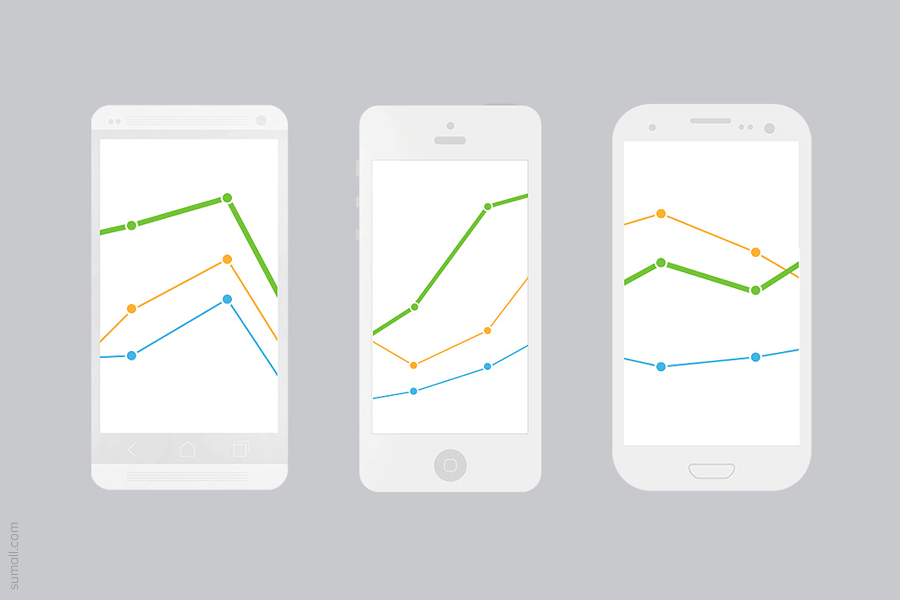
sumall_mobile_data_big_trendlines

If you take a deeper look into this report the figures show that young people and the people in the lowest socio-economic groups are more likely to use an alternative device to go online.

People use the internet for different things and figures show that the device they use depends on the task they wish to complete. People like to use Gov services, for example, on a computer, but tend to use social media on a smartphone.

So the smartphone is loved for certain things, with a third of all internet users saying it’s their most frequently used device.

Tablet vs Desktop

Tablet use isn’t huge with only 13% of internet users accessing the internet through them. This figure is much lower than desktop computers, and although I’ve not seen a desktop computer for years (except in the UK online centres I’ve visited of course!) there’s about 25% of the population who like to use desktop computers for many activities.

The smartphone is PART of the solution, not THE solution

I think smartphones are an important tool in our box and offer the potential to give many more people access to the internet, especially when it comes to affordability (32% of people who don’t use the internet say that cost is keeping them offline).

And we know that although the vast majority of internet users are using multiple devices touchscreens work particularly well for people who are unfamiliar with the internet, especially for activities like watching TV online and using social media.

Learn My Way is, of course, mobile optimised, but I do sometimes wonder if people (myself included) choose to do some things on a smartphone and other things on a laptop, will the internet ever be so well designed that people can do everything easily on a phone?

But please, please, please don’t get giddy all the time and say there’s evidence that the smartphone is the silver bullet for digital inclusion that so many people seem to think is out there. Look at the evidence. There’s no substitute for old fashioned hard work, local support and making the internet relevant and personal (and affordable too!).

The Scandinavian Digital Inclusion Experience

Last week I was at Inkluderaflera in Copenhagen sharing successes and experiences with digital inclusion policy makers and practitioners from across Scandinavia. Quite often I quote the high digital user stats from Norway as a shining beacon of what is possible – “if Norway can have 96% of their population as digital users then why can’t the UK?”. I was in Denmark and they too have 96% of their population online too. So I was surprised to hear they thought that they had things to learn from us.

I learned many things from the Scandinavian Experience, but one big take away is around digital by default. In Denmark they have decided to scrap paper correspondence with all citizens. Everyone has a national ID number and a digital post box. Everyone has to use it. On first look it’s very much like our own Gov.UK, but it’s obligatory and personalised. Here’s their page to set up the ‘digital box’ and digital signature.

I think the UK Government should think about doing this too; the Danes have shown it’s possible. This scale of obligation then makes helping those who can’t use digital services essential and not just a nice-to-have.

So what can we learn about the Danish experience?

  • People can apply for an exception if you really can’t interact with Government online: 11% of Danes have applied and been successfully granted an exception
  • Plus there are others who have applied for a family member to be officially allowed to go onto the digital box and help a loved one to use it

Three groups of people have problems using the online system – and the Danish Government have developed initiatives for them:

  • Young People (who have no intellectual understanding of why they would want to interact with Government)
  • Recent immigrants with no Danish and poor/no education in country of origin
  • Socially excluded such as homeless people and others.

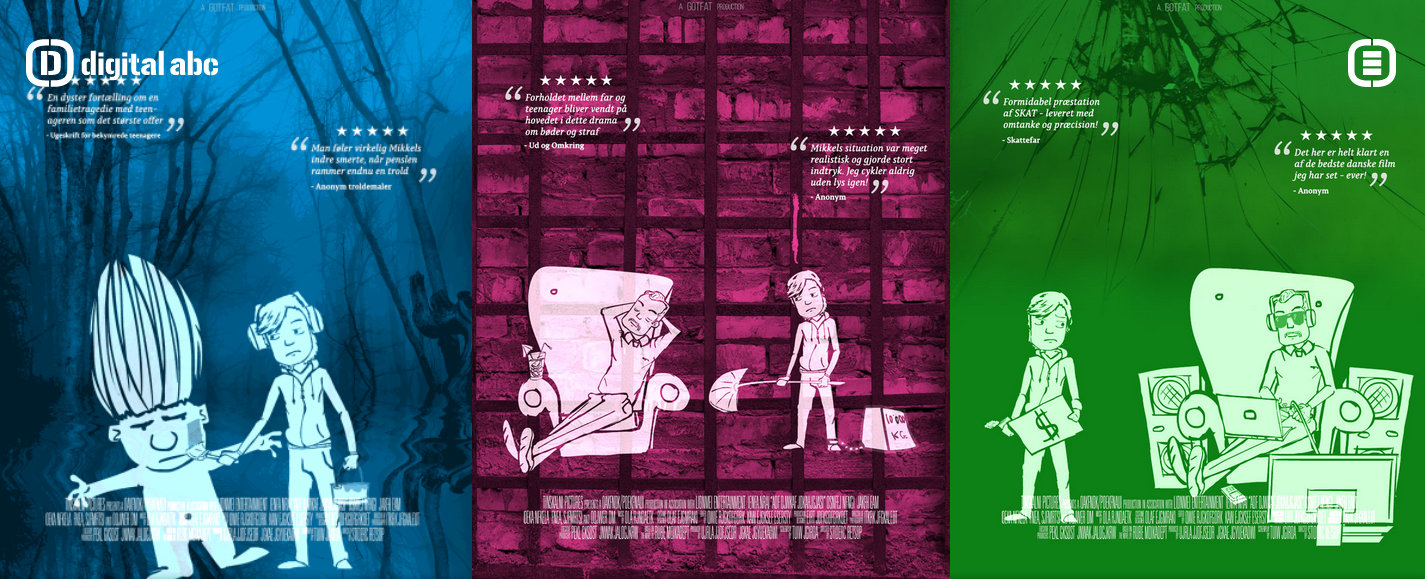
Young people having a problem was a big surprise. But they have tackled it by designing the Digital ABC  where all 15 year olds get a paper letter on their 15th birthday to tell them that they have to go online to engage with Government.

Helen copenhagen blog 4


Helen Copenhagen 5


The big difference between the UK and Denmark is scale. We have almost as many people in the UK without basic digital skills (10m) than the total population of Denmark and Norway combined (5.6m + 5m = 10.6m). If we could do what we do in the UK (with the right investment) then we could wipe out the 220,000 digitally excluded in Denmark in a year – since we currently help around 220,000 people a year in the UK. Right? Wrong.

Wrong because the number is actually much bigger than 220,000. Just like in the UK the big issue isn’t about helping people take their first few steps in the online world – nor is it about broadband availability for the majority – it’s about what people can do online. It’s about relevant and purposeful use of the internet. Digital inclusion is helping people to be confident and independent users of the internet to do whatever they want to do today and what they will need to do tomorrow and next month and next year. The Scandinavians want to learn from us as we all need to crack helping the whole population to be confident and frequent users of the internet – and that’s hard.

It’s great to hear that we’re world class in what we do in the UK – even in the eyes of those who we think have achieved so much. But it just brings home how big the task is and how we really need to accelerate our pace in the UK if we’re not going to leave millions behind.

As always happy to share my slides with complete freedom for people to download, edit and use. Here are my slides from the conference in Copenhagen.

275 pages later – do the latest Manifestos include digital inclusion?

I have to admit feeling disappointed not to have seen more about digital inclusion in the manifestos that have been released over the last few days. The most prominent mention was from the SNP, who have said they want to deliver a future-proofed infrastructure, which will include tackling the digital divide. This is good news for over a million people in Scotland who still lack basic online skills. The other parties have given digital a mention, but not specifically about getting people online.

The SNP also included improved broadband connections, as did Plaid Cymru who placed real emphasis on Wales getting people the access they need at home in order for them to connect with society. The SNP are committed to making sure that access to the internet is affordable and reaches those in the most disadvantaged communities; they also intend to invest £1.5m to increase the free provision of wifi in public buildings. Good to see, however skills need to be addressed alongside this.

There was a focus on young people across almost all the manifestos with UKIP pledging to address the important issue of online child safety. Plaid Cymru would introduce key skills into education to ensure that all young people have IT skills and can understand the technology that surrounds them. UKIP and Plaid Cymru also agreed that the tuition fees for technology-based degrees should be removed to encourage more people to pursue careers in the tech field.

The Green Party manifesto took a slightly different approach to digital by promising to support and protect ‘internet freedom’, with an emphasis on ensuring controls over the data that our digital lives create is maintained and not privatised.

There isn’t as much promise in these manifestos when compared to the three main parties but like I said in my last post, whatever the outcome on May 7th, there’s plenty for us to build on.

Social Housing and Digital Inclusion: People not technology

I’m really lucky that by doing what I do, I get to have regular ‘pinch me’ moments. One of those moments was last week at an event we hosted for social housing organisations in London. We work with thousands of social housing providers through the UK online centres network and the Digital Housing Hub community. In case you didn’t know, the Digital Housing Hub was launched by Tinder Foundation in 2011, and has grown into a vibrant community for those working in digital inclusion in social housing.

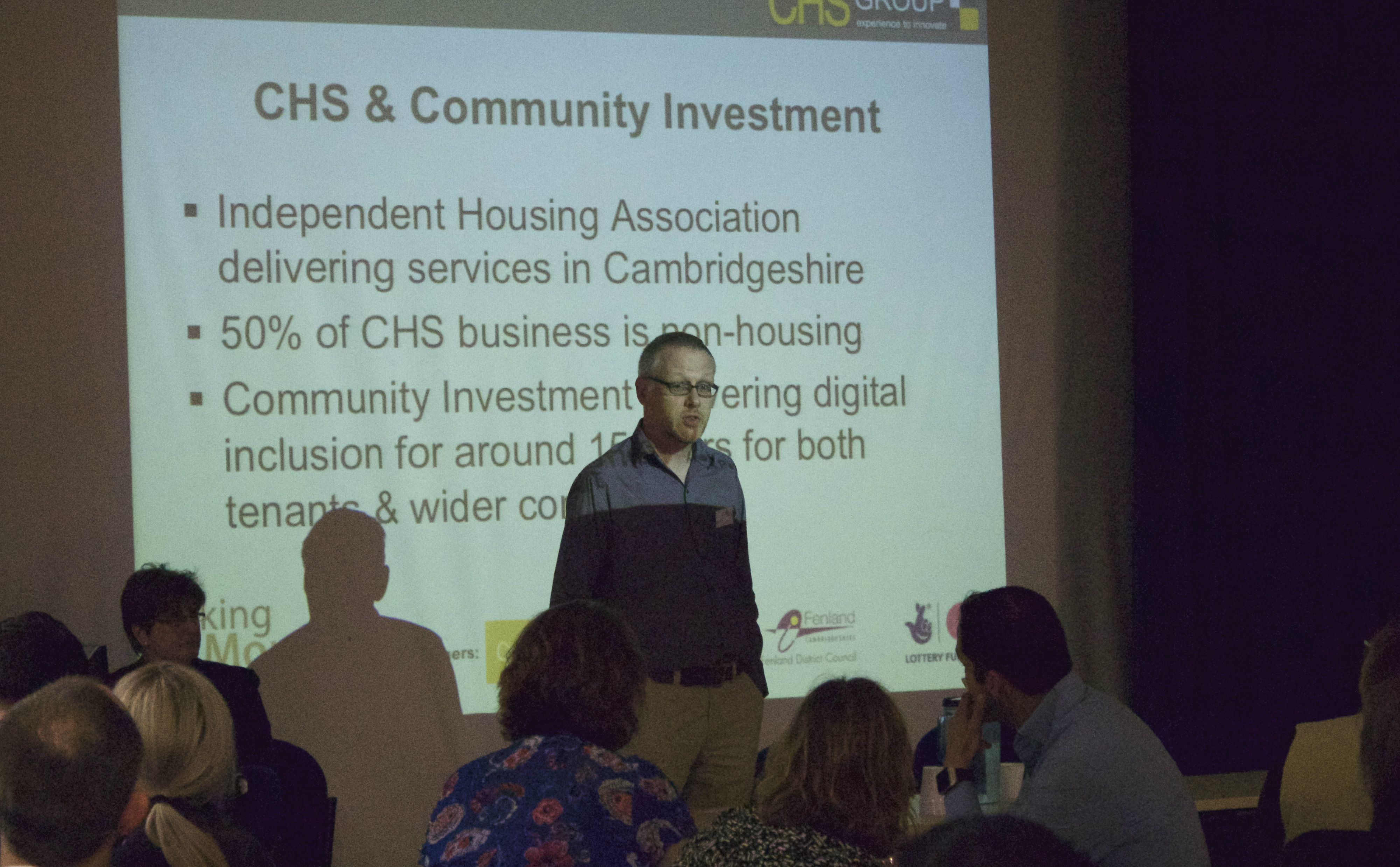
Some brilliant speakers joined us; James Lewis from CHS Group shared his honest experience from the Making Money Count pilot. The project loaned tenants in the rural Fenland district, Cambridgeshire (where numeracy and literacy levels are amongst the lowest in the country) a laptop or tablet and Mifi. James highlighted the barriers to getting online, but also evidence that people can save money from being online. He said that for the people who had access to a device and broadband their financial inclusion improved – and improved faster.

James Lewis, CHS Group

James Lewis, CHS Group


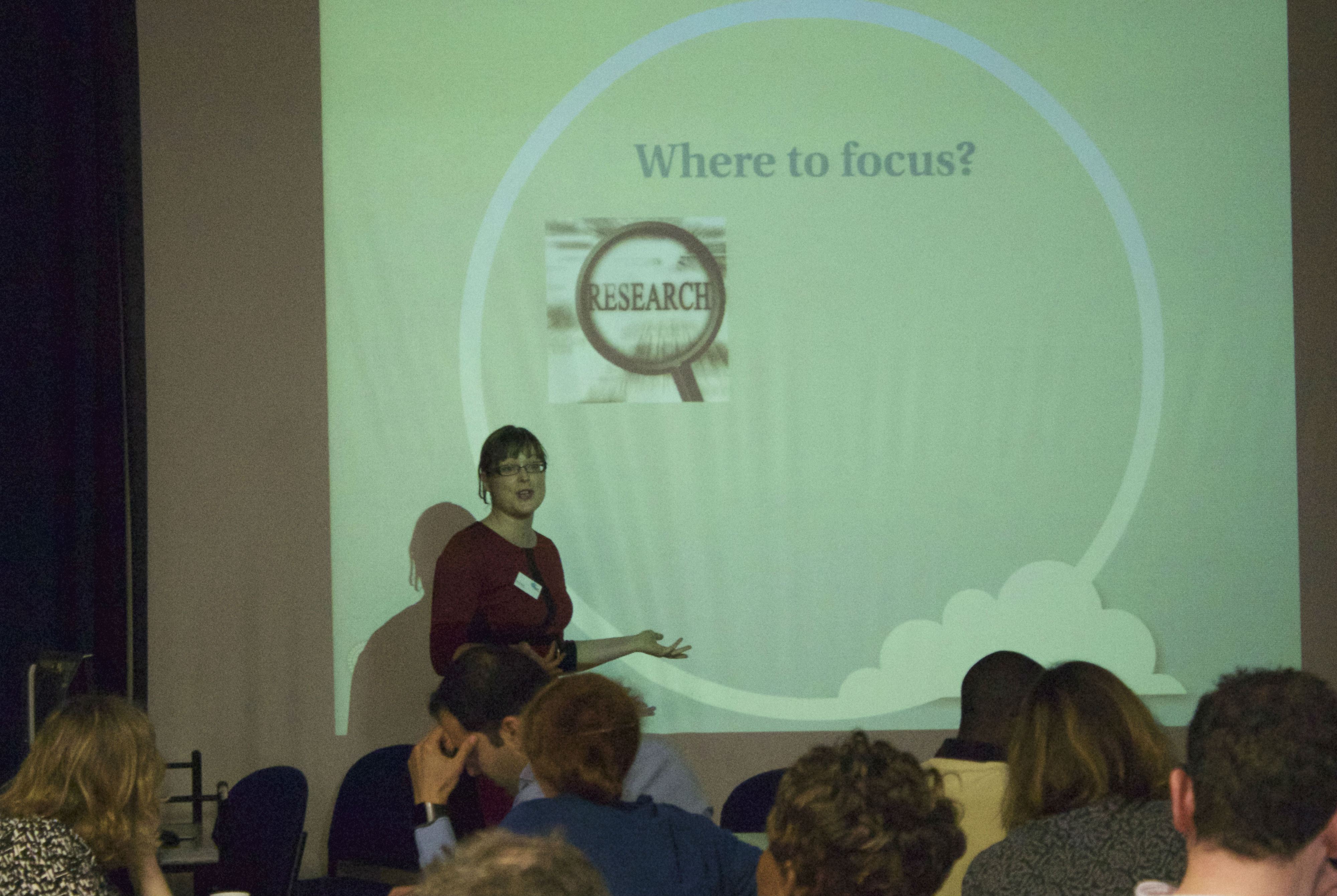
I really enjoyed listening to Hannah Bailey from Berneslai Homes who passionately shared her views on how “digital strategy must be done now, not later” and should be at the heart of social housing organisations. Hannah has successfully helped Berneslai Homes to see digital inclusion as something relevant to all staff not just the ones with digital inclusion in their job titles or roles.

Hannah Bailey, Berneslai Homes

Hannah Bailey, Berneslai Homes


There was so much energy in the room with people from all over the country who had come to exchange ideas and experiences, and who all had a shared purpose; to reach the digitally excluded. There are 4.1 million adults living in social housing that are offline, and I was fascinated to hear how the social housing providers that attended have motivated their tenants to improve their digital skills. One of the things that came across loud and clear was that digital inclusion is now such a big part of financial and social inclusion, and that digital runs across the whole organisation and everything a housing provider does.

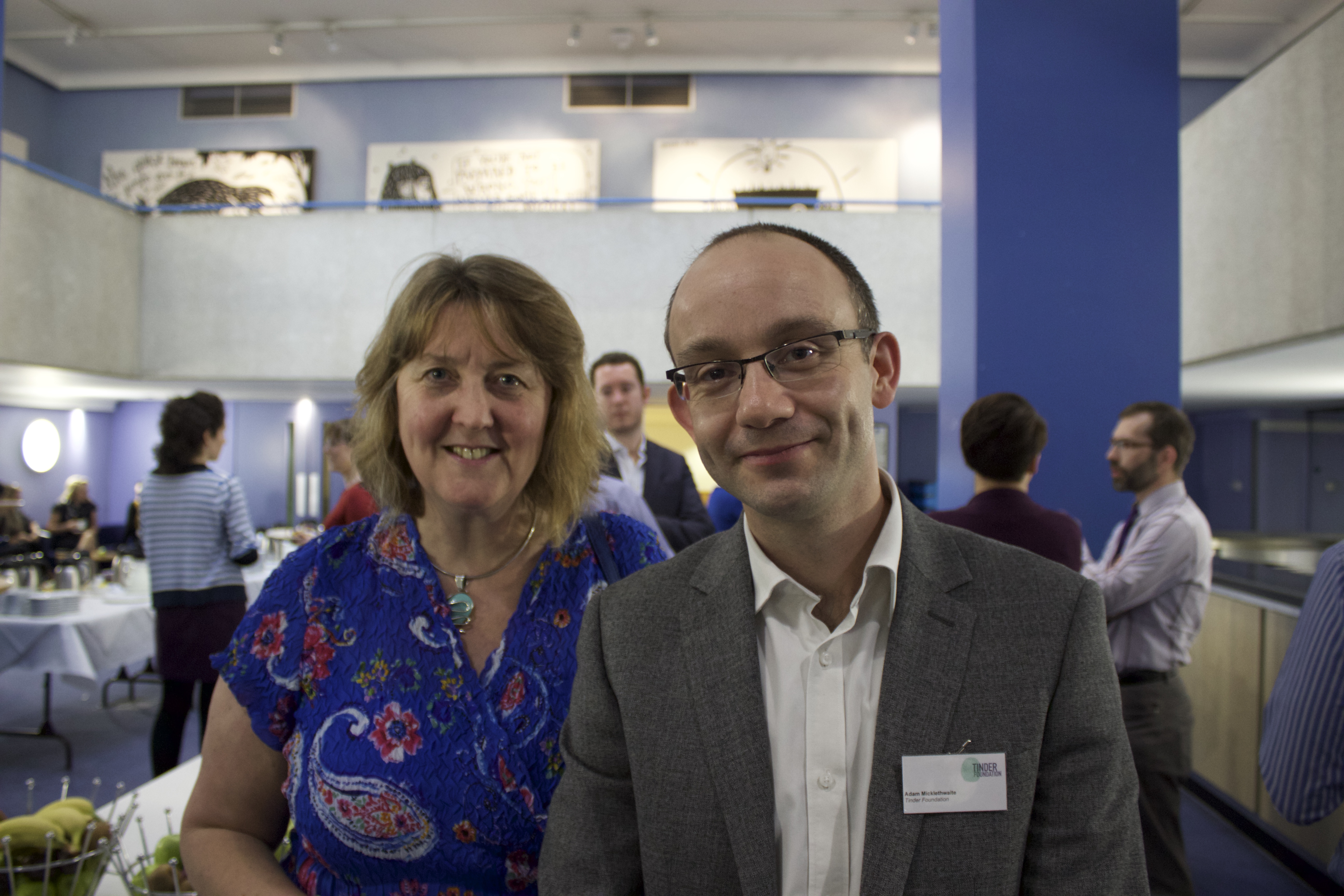
The networking and sharing of experiences was fabulous too, and it was great for Tinder Foundation’s new Director, Adam Micklethwaite to get stuck in.

Enjoying the Digi Housing event with Adam Micklethwaite, Tinder Foundation's Director of Business Innovation

Enjoying the Digi Housing event with Adam Micklethwaite, Tinder Foundation’s Director of Business Innovation


The event coincided with the launch of Tinder Foundation’s Doing Digital Inclusion: Social Housing handbook. This is the first in a series of ‘Doing Digital Inclusion’ handbooks, created to provide practical tips and solutions to tackling digital exclusion in specialist networks. I’d love to know what you think of it.

You can view the presentations from the event here. We have some more events planned over the next few months, and I’m looking forward to meeting lots more inspiring people doing great things and having more ‘pinch me’ moments.

Let’s shape the digital world, as it shapes us

I have a question for you:

Were you, like me, one of the million or so people that tuned in on Monday night to watch Martha Lane Fox speak at the Richard Dimbleby lecture?

Martha Lane Fox


If so, have you signed the Dot Everyone petition, because at the time of writing this there were just over 2,000 signatures still needed to hit the goal of 10,000.

What I really enjoyed about Martha’s talk was the fact that she used the platform to be ambitious, to be bold, and to make a clear call to action.

Martha highlighted digital inclusion as one of Dot Everyone’s three key aims. Focusing not only on government and what happens in boardrooms, but looking at some of our most disadvantaged communities and how education is key in making sure no one is left behind. As Martha said, “the internet is a global public project”, and if we truly want Britain to be the leading digital nation, then we simply can’t have 10 million people without the basic digital skills they need to be part of that digital nation.

Dot Everyone


Another of Dot Everyone’s aims is to make sure women are at the heart of technology; it’s staggering to think there are fewer women in the digital sector than there are in parliament. At Tinder Foundation I’m really proud to run an organisation, with digital at our core, in which the majority of the management team are women, as well as one of our programmers. Sadly I know this is not the norm, and that’s why it’s great that Dot Everyone wants to put women where they should already be – at the heart of technology.

I’m writing this just before the UK heads into the Easter bank holiday weekend. If you’re lucky enough to be having the long weekend off work – where no doubt you’ll find yourself using your phone, tablet or laptop – I urge you to sign the petition on behalf of the many millions who can’t.

Closing the health gap using digital inclusion and data

Today in the Guardian Online, I’ve got an article arguing that the preventative care revolution depends on closing the digital divide.

Across the UK, 11 million people have poor digital skills and half those who are offline have a disability. Digital inclusion is now a matter of life and death.

Read the article in full over on The Guardian Online