Digital Revolution and a gateway for change

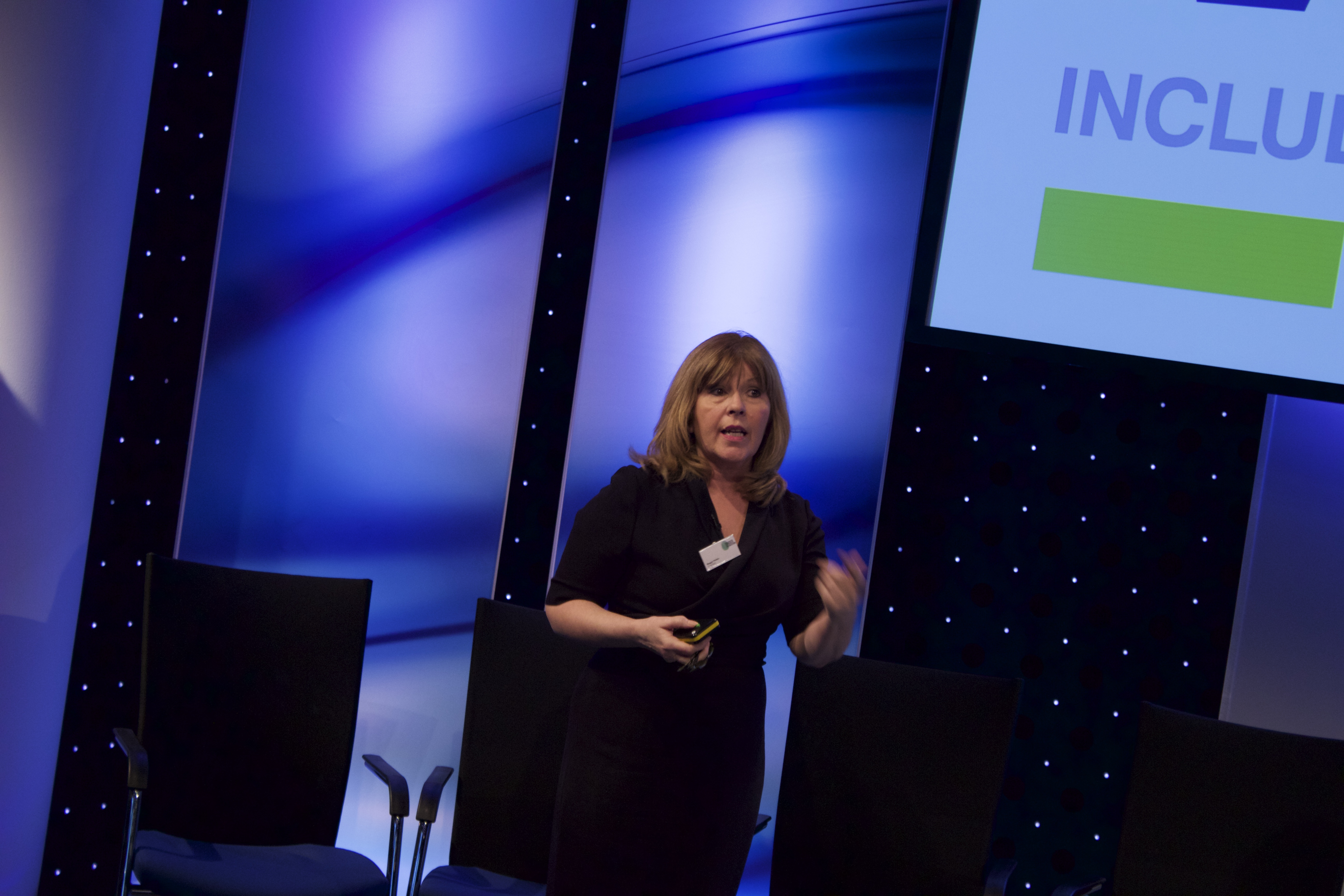
Last week was Tinder Foundation’s fourth annual Digital Evolution conference and a broad range of thought leaders, policy makers and community organisations came together to discuss how we can work together and continue to build and sustain our digital nation. I can’t believe the day is over again for another year but I believe it acted as a real gateway for change – an opportunity for the digital inclusion practitioners in attendance to express their opinions, share their experiences and gain new ideas on how they can contribute to our digital future.
Screen Shot 2015-12-03 at 15.13.43

Our vision

In the last five years we’ve helped more than 1.7 million people. Our vision – the vision of Tinder Foundation – is a world where everyone benefits from digital. But like I said on the day, it’s not actually about digital inclusion. Those words make people think of technology – this is a revolution about people. It’s about transforming people’s lives and building a stronger economy. What we’re all doing is working together to create digital fluency; creating people with basic digital skills and internet confidence. I feel like we really put this message across on the day and I hope those in attendance feel inspired to rally the troops and power forwards.

In my afternoon speech I made it very clear that Tinder Foundation, no matter what happens, will stick to the knitting. Our vision is digital inclusion for socially excluded people. The people who are left behind are the poorest and most vulnerable in society and we want to make sure they have the skills – employability, financial literacy, or even digital health – to improve their lives. We are not going to give up. Even it it falls out of fashion we’re still going to do it. Our network of community partners are a big club with a shared vision and we’re all doing this because we want to – because we believe in it.

Revolution, not Evolution

Four years ago, when we were planning our very first conference, I wanted to call it Digital Revolution, but the team wanted to make it a bit more ‘user-friendly’. To this day I still find it appropriate. The whole point of a revolution is about working together. Many voices united is stronger and more powerful than one voice alone. If we continue to work together to create our digital nation, we can make a real and visible difference. We can’t be complacent here – we need change.

It was Tinder Foundation’s birthday on Tuesday 1 December and we’ve come so far in the last four years – but there’s still much work to be done. The Autumn Statement and Spending Review took place on the same day as our conference and it brought some welcome news; news that will help us continue our revolution – an additional £450 million has been allocated for the Government Digital Service. I can’t wait to see what will be achieved with this cash injection. I’m sure it will be a lot.

Thank you

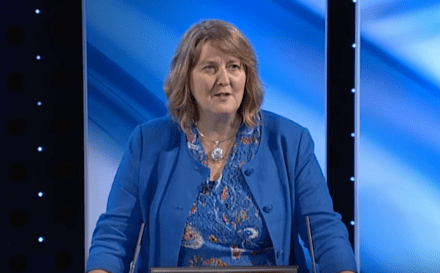
I’d like to say a very big thank you to everyone who attended Digital Evolution: Building a digital nation, thank you to all our partners, and thank you to our network of community partners. It’s the work they do that happens on the ground that really makes a difference. Thank you to all of our speakers and panellists on the day and especially thank you to Maggie Philbin for chairing. You were wonderful.

I can’t wait to see where we are and how many people our collective efforts have helped by 2016’s conference. Please keep doing what you’re doing, because together we can make a real difference. Until next year …
Transforming people’s lives, building a stronger economy

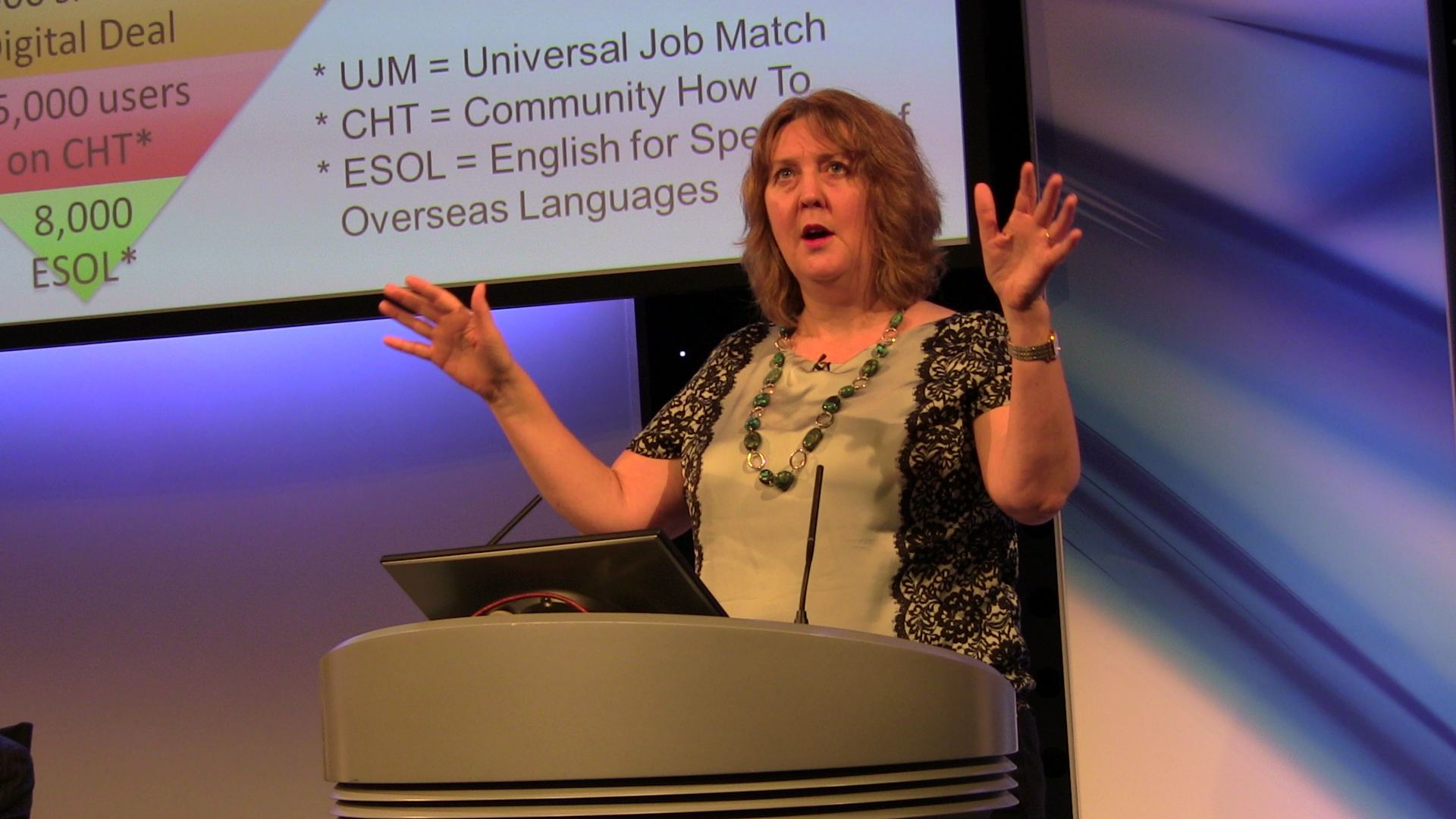
This is my speech from Tinder Foundation’s Digital Evolution: Building a digital nation conference. 

We’re all here as we share the same passion and the same ambition. We all want everyone in the UK to have the opportunities and benefits of digital.

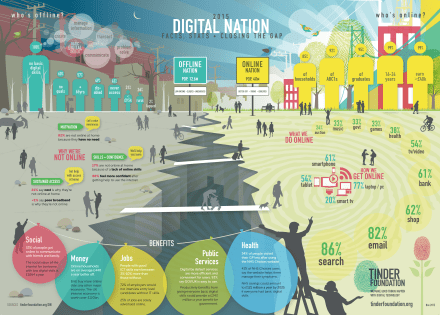
It wouldn’t be the Tinder Foundation conference if we didn’t launch our annual infographic with all the stats and facts you need if you’re thinking about digital inclusion. That great chasm – that cleft, an abyss – between the people who benefit from basic digital skills and those who don’t is a fitting metaphor for the divided society we live in and the wasted opportunity that we as a nation are facing.

Digital Nation infographic

This year there are a few differences – and one is the number of people lacking basic digital skills has gone up! It’s a good thing .. believe me. Thanks to our very good friends at Go On UK we now have a clear definition of the five basic digital skills and a robust measure of who’s lacking them. 12.6m people – that’s 1 in 5 adults who need support.

Of course it’s a picture of exclusion but it’s also important to have the stats on the benefits too. A report we published earlier this week shows the economic benefit to the NHS for everyone having basic digital skills is £131 million a year.

We commissioned economists CEBR to measure the net present value of everyone in the UK having basic digital skills. Digital is an amazing benefit but also a huge threat as it levels the playing field and makes the economic competition truly global.

Here’s the maths. Taking the cost of investment, the benefits to people and to government the NPV (net present value) is over £14 billion, or £2.5 bn a year from 2024. We’re facing a new industrial revolution and digital is the architect – with all jobs and all workplaces underpinned by digital.

Today is the spending review announcement we know that Cameron has already pledged £1.7 bn in broadband over the next five years, let’s see today if George Osborne will announce investment in the people and the new basic skills they need to use that infrastructure and to fuel this new, digital £2.5 bn annual productivity boost.

Let’s not talk about digital inclusion – it makes people think of technology and this is a revolution about people. It’s not digital inclusion, it’s about transforming people’s lives, and about building a stronger economy.

It’s about people like Pat and Wendy who use digital to make the NHS work better for them and to improve their health and Mike who had no hope for a job moving to multiple job offers. It’s about transforming their lives and the hundreds and thousands of people helped every day across the country by organisations – community organisations and libraries – like many of you in the room today.

Every single person having the opportunity to be part of this digital revolution, every person making our economy stronger.

Can we afford not to invest in digital inclusion?

Two years ago, we commissioned A leading digital nation by 2020 – a report which, for the first time, set out the cost of getting everyone in the UK online. The report has been instrumental in helping us, and other partners in the sector, to make the argument for further investment in digital inclusion. It was a core part of Labour’s Digital Manifesto in the run up to May’s general election, and Policy Exchange and TechUK both featured it strongly in their manifestos in the run up to the election. It’s also given me the chance to chat to lots of partners across various sectors about how we get the investment we need for digital inclusion.

It’s become clear that not only do we need to need to know the cost, but we also need to be able to clearly measure the value this will translate into – for individuals, and for the UK economy as a whole. And this is why we commissioned expert economic researchers CEBR to examine the economic impact of digital skills for all.

I’m pleased that I can share the resulting report today. As we anticipated when we commissioned the report, the benefits are huge. In terms of productivity alone, there is a benefit of £358 million per year for individuals, and £243 million per year for government in additional revenue (from 2024 onwards). And the cost savings that government will realise from tax receipts and NHS savings alone will mean the investment will pay for itself. Coming just ahead of Wednesday’s Spending Review, I hope this figure will make government sit up and listen, and commit to further funding for digital skills activity.

These savings are on top of the huge social benefits to individuals of basic digital skills, from reduced isolation through to cost savings (£143 per person, per year), and time savings (30 minutes per person per transaction).

Digital is bringing about a new industrial revolution, and all jobs and workplaces are now underpinned by digital technology. This means it’s vital that we can provide people with the skills they need to both find employment, and to use digital technology on a day to day basis in their work, leading to major rewards not only for individuals, but also for national productivity. We strongly believe the UK government needs to set out a bold ambition of reaching a 100% digitally skilled nation, to ensure we’re not left behind as other nations make huge strides towards the same goal. The quicker we get there, the bigger the prize for the UK and our global competitiveness, so it’s now vital that we can accelerate current programmes, and make a significant financial and strategic commitment to reaching this milestone. This report follows quick on the heels of David Cameron’s recent pledge to invest £1.7 billion in fast broadband for all. Investment for digital skills must go hand in hand with broadband, to ensure we can realise the maximum benefit.

We need clear and committed leadership from government, and a cross-departmental digital inclusion strategy backed up by a clear action plan and financial investment. But it’s not the job of government along. This commitment should be back up with support from both the private and the voluntary sector, who have equally important roles to play.

What’s most important now is what comes next. This report provides a clear rationale for investment – the question in no longer whether we can afford to get everyone in the UK online, but whether we can afford not to.


Read the full report: The economic impact of Basic Digital Skills and inclusion in the UK

Join the Evolution

In just over two weeks, myself and the Tinder Foundation team will be joined at London’s BT Centre by thought-provoking leaders from the field of digital, and inspiring digital inclusion practitioners from our network of community partners, for our annual conference, aptly titled Digital Evolution: Building a digital nation.

At a time when more and more services are moving online, and the benefits of digital are clearer than ever, digital inclusion has never been more important. Our work, the work of our community partners, and those who will be sharing their ideals at the conference, is really helping to ensure we can build a digital nation that leaves no-one behind.

However, there is always more we can do – in terms of recognising good ideas, scaling them up, joining up the dots, and just giving each other a pat on the back for what we’ve achieved so far. And this is what the Digital Evolution conference is aiming to do.

IMG_0153

What’s happening on the day

Looking at the agenda for the day, I’m thrilled at how nicely it’s shaped up. There are three core themes to the day – ‘Digital for life’, ‘Digital for society’ and ‘Digital for change’ – with lots of interesting speakers and discussions talking around these topics. These discussions will cover how we can make good things happen with digital here and now, how we can look forward to creating a sustainable digital nation for the future, and, most importantly, how we can all work together to make this happen.

The speakers

Last year, Maggie Philbin, co-founder and CEO of TeenTech CIC, delivered a powerful and engaging keynote speech. This year she’s returning as our conference chair and I couldn’t be more excited about it. Maggie is someone I admire hugely – she knows loads about technology, and she shares my beliefs of a society where everyone has the opportunity to benefit from it. We’ve also got a range of other fascinating speakers, including Beverley Bryant from NHS England, Ed Vaizey MP, and Nick Williams from Lloyds Banking Group, who will all have lots to share.

IMG_5492 copy

You can see the specifics of the day here, including the agenda. We’re quickly moving towards a sold out event, and our pre-conference event, which is taking place at Facebook HQ the evening before, is a great opportunity to network with other like minded individuals on an informal basis – this is also looking likely to sell out. If you haven’t booked yet, please do so as soon as possible – I’d really hate for anyone to miss out.

I look forward to seeing you there!

The world is changing: the Philippines & digital

Last month I spent four days seeing, listening and thinking about people living in the Philippines.

I’ve found it quite hard to gather my thoughts into a coherent blog, as much of what I saw and thought seemed to contradict each other. Much was shocking and surprising, other things inspiring and familiar.

Yes, I saw abject poverty – young children filthy and weeping by the side of an over-congested road, shanty make-shift homes made of cardboard and scraps. And I heard about poverty, 37% of the population living on less than $3.10 a day. 10 million Filipinos work overseas and send money home, I met a woman on the plane leaving Cebu, she works in Dubai as a Medical Technician and had just had her annual trip home to see her children (aged 7 and 11) – I can’t imagine the pressures on a parent to have to choose to work overseas so her children have a better chance at life. The woman said she lived in one room in a flat with 3 or 4 others (Filipino couples, and families), sharing a home to maximise how much is sent back to the children and elderly parents.

But on the other hand the Philippine Government are well-organised and ambitious for their country. There is a growth in tech hubs and a vision that digital will help their emerging nation grow faster and compete. Part of their goal is more, better paid employment in-country so people don’t have to leave their families behind if they want a decent wage. The Government, with the ITU (the technology arm of the UN), and others signed a pledge for the eFilipino at the event I was at in Cebu. Their plan is that a more successful nation is going to be a digital nation.

So, why was I there?

I was there to talk about digital inclusion of course. To discuss the impact that gaining basic digital skills has on individual lives and on a society, and to see with my own eyes the excellent Tech4ED centres they are developing. That’s ED for Economic Development. They have 300 centres already and more are being established all the time. It was great going to one of their Tech4ED centres in Mandaue – it was really familiar to me. Lots of different people of all ages doing the thing that they wanted or needed – from learning English to applying for a birth certificate.

The Philippine Government are already on the same page as us. They have embedded digital literacy into the curriculum offer they have available in Tech4ED centres which target older people, unemployed people, people needing to do a few basic Government services (such as order a birth certificate), as well as ‘out of school youths’ – that’s children who don’t go to school as they need to work or move around a lot – they can graduate from high school by completing online materials.

Imagining the world in 2030, let alone in 2020, it’s hard to imagine that the Philippines won’t be there competing with us in digital, creating their own digital businesses as well as no doubt supplying other global digital needs. I met a man from Boston via Silicon Valley and Nairobi who has chosen Cebu, Philippines, as the place to establish his social business due to the combination of great need (poverty) and a pool of local digital talent.

Digital literacy in the Philippines is about making sure people don’t leave people behind as the nation accelerate to greater economic development – and they get that. They already have programmes but they think Learn My Way is better than what they currently use and so they will run a pilot to see if and how it’s useful. At the start of this week we made ph.learnmyway.com available for use in the Philippines. Facebook is massive in the Philippines.

Key stats Philippines:

  • Population: 100m+
  • 44m use the internet
  • 30m use Facebook

Key stats UK:

  • Population: 60m+
  • 53m use the internet
  • 33m use Facebook

So we’ve introduced a Facebook login to Learn My Way, so that people don’t have to register again if they don’t want to. It’s a trial, and we’ll see how it goes.

Next steps – hard work to making this happen and then learning the lessons. But this is a real partnership with talented, focussed and ambitious people. I look forward to working with them.

Digital inclusion: a very hot topic

Monday this week was a very exciting day for one of our favourite partners – Go ON UK – and for digital inclusion as a whole. Digital inclusion was on the Today Programme, and BBC 5 Live, Guardian and Telegraph, and was trending on the BBC news website and on Twitter – now that’s the sort of noise we really want for digital inclusion. Well done Go ON UK!

BBC 4 tweet

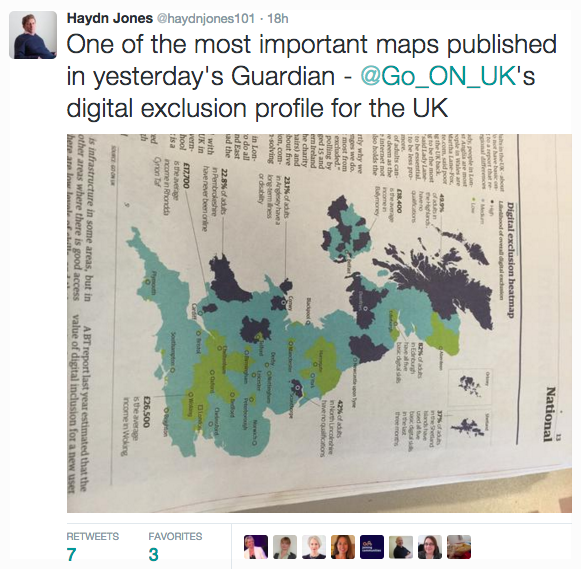
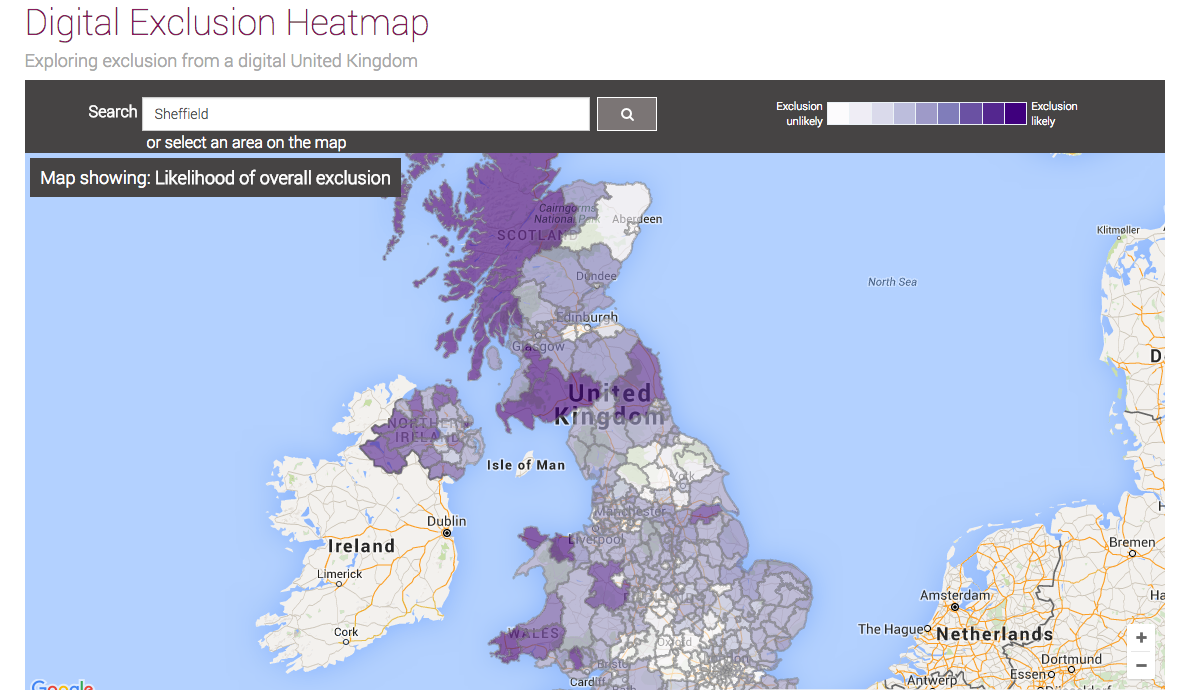
It was the day that Go ON UK unveiled some wonderful new resources to tackle issues of digital exclusion. The resources that Go ON UK have created are a great asset to the sector, and as a stats nerd I’m particularly interested in their Digital Exclusion Heatmap, which allows anyone with an interest to look at the factors most likely to contribute to digital exclusion in an area. By searching for an area, you can pull up a range of stats about broadband infrastructure, levels of internet access and basic digital skills, as well as age, education levels, health and income. Finding out this information means we can determine why people are digitally excluded and then we can really take action and do something about it.

Haydn Jones

Three of my colleagues – Vicky, James and Emily – attended the big launch event at the House of Lords, and I was really sorry I couldn’t be there. Vicky’s blogged about the event here.

As Vicky says, it’s a complex issue, with multiple barriers and factors meaning it can be extremely difficult to pinpoint whether an adult in the UK is likely to be excluded or not. However, the heatmap gives us a great starting point – helping us determine where we need to focus our attentions; so we can make sure we’re focussed on the right areas.

Go ON UK also released some new research that shows that 12.6 million people in the UK don’t have the basic digital skills they need to participate in today’s digital society. The eagle-eyed amongst you will have noticed that this number has gone up not down – and of course we’re not saying that people aren’t being helped to get the skills they need. So what’s going on with the numbers? This year the skill of “problem solving” (such as verifying information found online) has been added to the basic online skills we previously had – moving up to 5 different types of online and digital skills (from 4 last year). We’ve now got a baseline we can work with and Go ON UK will be reviewing this data annually so we can measure our collective impact.

Heat Map

I love that the Heatmap creates such a full picture of the whole of the UK, and it’s really user-friendly so can be a great resource for organisations, from local authorities through to the grassroots organisations we’re supporting in the UK online centres network.

Another part of Go ON UK’s big unveil was their new website, Go ON Local. This gives local authorities and others the most useful and relevant resources to help them tackle the digital inclusion issue head on, so it goes hand in hand with the Heatmap. It’s great to see lots of our own resources and others on there.

Rachel Neaman (CEO of Go ON UK) stood up at our conference last November and said that we needed a Heatmap of digital exclusion – this week she unveiled it. She’s a woman of her conviction… I look forward to what she’ll be saying this year.

Get Online Week – when anything can happen

Get Online Week is unpredictable. I saw endless amounts digital inclusion activity, both in person and online, and met a lot of inspiring and wonderful people. Some things I expected – meeting socially excluded learners, meeting the great volunteers who work so hard, and seeing the different things our community partners have to offer – but some things were unexpected and pleasant surprises – such as the popularity of our City and Guilds Online Basics qualification and the success of Exeter Library’s Fab Lab. All in all, it was a wonderfully successful week for me, my team and our vast network of community partners.

The Tinder Foundation team visited almost every corner of the UK. I visited an event in Sheffield at Longley 4G, and went down to Exeter to visit two centres, St Loyes and St Sidwell’s, as well as Exeter Library. I had a very different experience in all of them and it really opened my eyes to the reality of digital and social exclusion and the need for digital equality.

Team work

In an ideal world I’d have been able to visit all the Get Online Week events but unfortunately that’s not possible for one woman to do in seven days, so the Tinder Foundation team were my little helpers for the week and went out in their masses to visit all kinds of centres in different parts of the country.

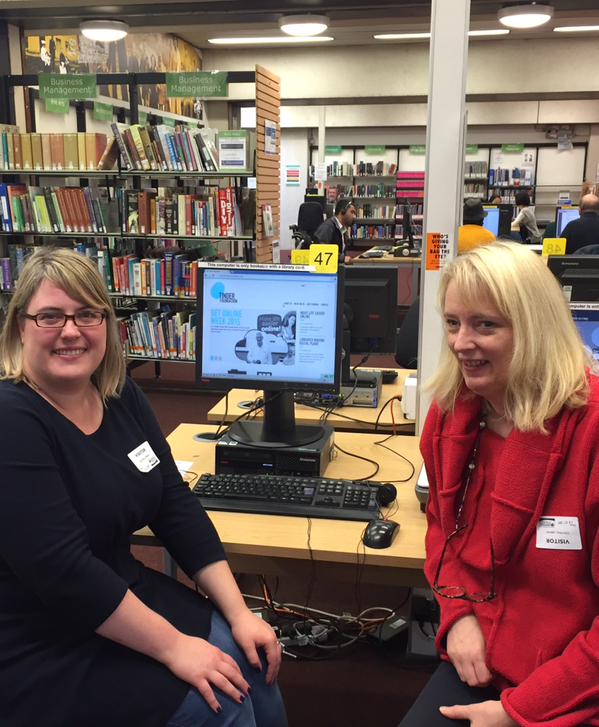
I can’t stop shouting about the work we’re doing with libraries at the moment – it’s a subject that’s really close to my heart – and lots of my colleagues managed to pay visits to different libraries. Our Finance Director, Margaret, went to Oxford Library to say hello and see what they’re up to; our Head of Digital, James, popped along to Goldthorpe Library to help people try out different devices for getting online; and one of our newest additions to the team, our Research Intern, Sharon (who’s working very hard on our Libraries Digital Inclusion Fund project) visited Chesterfield Library to interview one of their learners for the project. This is just to name a few…

Margaret GOLW visit

Margaret really enjoyed her visit to Oxford Library

Some of us visited familiar haunts – our Senior Learning and Development Coordinator, Alison, went to Destinations@Saltburn for their employment-focussed event – and some of us went to completely new locations – Wider Network Manager, Caroline, visited our new partners, Remploy, in Sunderland to see how they’re getting on.

Some of us went further afield. Our Director of Business and Innovation, Adam, went all the way down to Somerset Media Solutions in Chard for their brilliantly named ‘TechNOphobia’ event, while our Content Marketing Officer, Sam, went to Prestonpans just outside of Edinburgh for their library’s employment drop-in session – and our Head of Marketing, Communications and Bids, Anna, went to Barrow Libraries to see their Digital Surgery with local MP, John Woodcock, in action. She was very impressed with the event, which around 40 people attended.

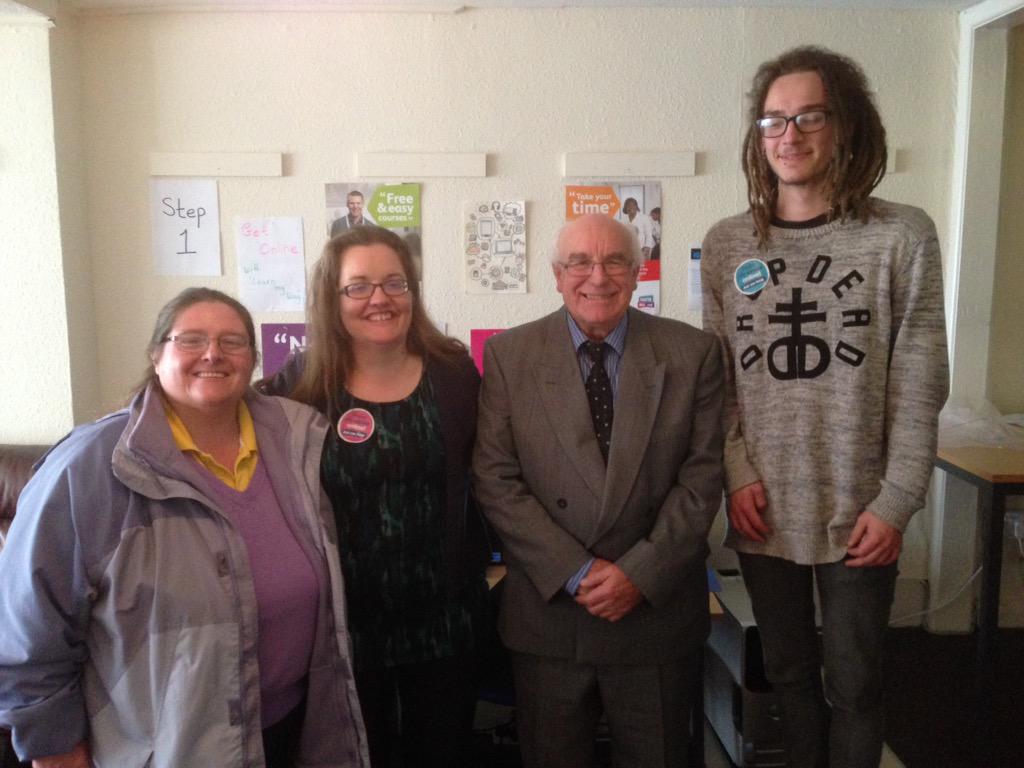
Learners

Some of the wonderful people Adam met at Somerset Media Solutions

Even the Ministers were getting involved

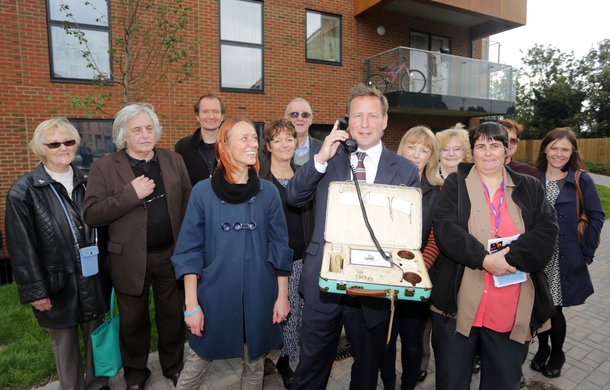
We weren’t the only ones enjoying the fun. I was thrilled to see Minister of State for Culture and the Digital Economy, Ed Vaizey MP, out and about, visiting Erith Park in Bexley, part of housing association, Orbit Group. I think it’s important for the government to acknowledge digital inclusion, after all, they are the ones who can make the big things happen, and the fact that Ed took the time to get involved with our campaign was wonderful.

He showed his support by taking part in their innovative Walk the Talk tour which helps build community engagement through the use of a ‘digital suitcase’. Residents can get involved by passing the suitcase from person to person and using an old-fashioned telephone inside to record stories.

Orbit Group are also doing other wonderful things. The residents said that they love where they live but find it difficult to get to know their neighbours, so interactive screens have been set up in stairwells for neighbours to take selfies, leave messages and introduce themselves to kick-start interactions with their future friends.

They’re doing some really great and innovative work in the field of digital and this was recognised by the Minister: “The work being done in Erith Park is brilliant and it’s great to see Bexley taking part in the nationwide Get Online Week initiative. Getting online and embracing new technology is becoming more and more important in this digital age, and I congratulate all involved in this innovative scheme aimed at using technology to build community engagement.”

12-10-2015 Picture shows : Ed Vaizey MP tours new development Erith Park in Kent. Carl Fox 07966 349 562 www.carlfoxphoto.com

Ed Vaizey MP tours new development Erith Park in Kent. Image courtesy of Carl Fox (www.carlfoxphoto.com) via Digital By Default News

Dare devils

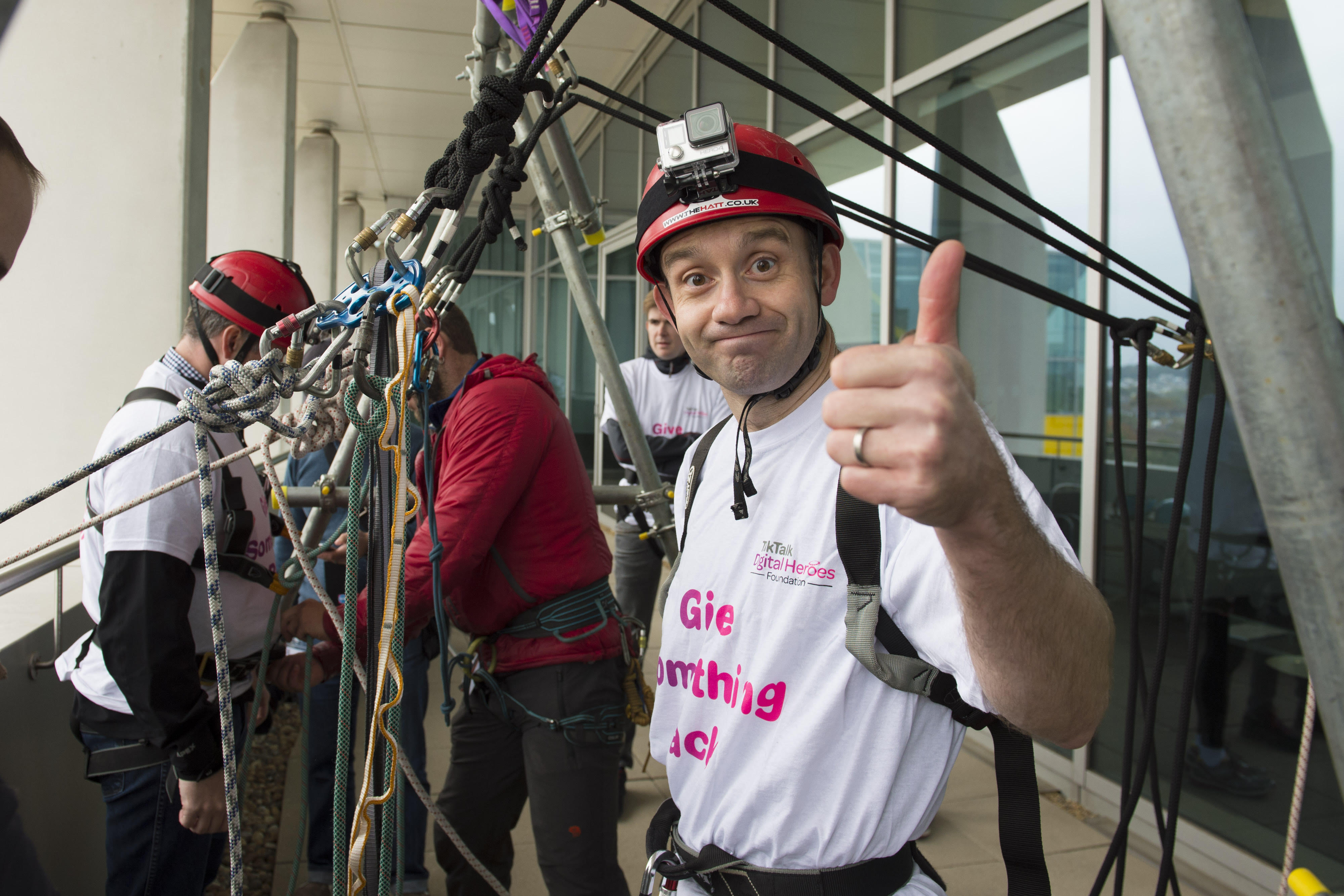
To top off the week, in a big end of campaign twist, our Director of Business and Innovation, Adam, along with TalkTalk CEO Dido Harding and Go ON UK’s Rachel Neaman, abseiled 120ft down TalkTalk’s Shepherd’s Bush office – all in the name of digital inclusion.

I applaud their bravery and the fact that the promise of the Get Online Week abseil encouraged hundreds of TalkTalk employees to share their digital skills as volunteers at local UK online centres. A big pat on the back to all!

Adam gets ready for the abseil

Adam gets ready for the abseil

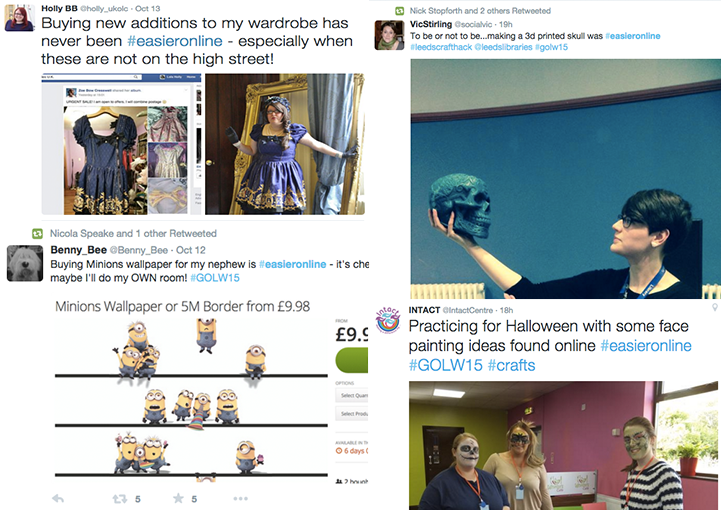
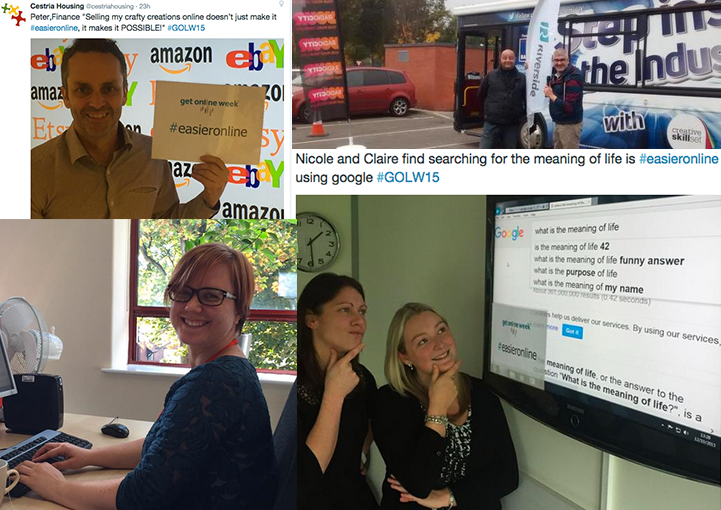
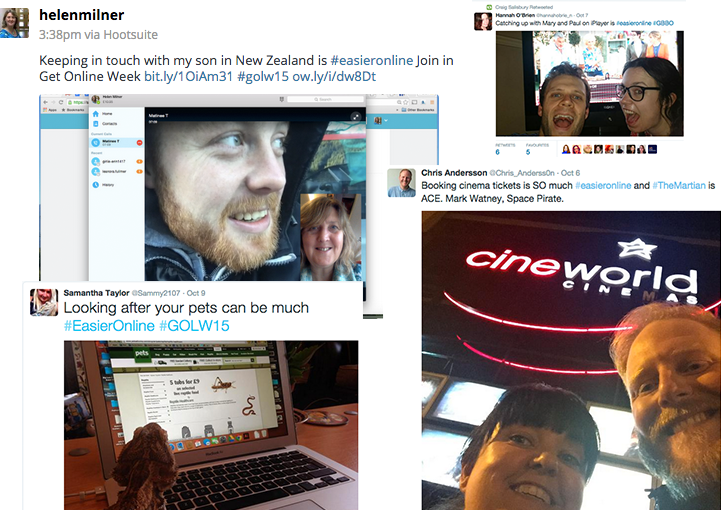
I think this has been one of our most successful and eventful Get Online Weeks to date. The #GOLW15 hashtag was used almost 2400 times over the week and our social media campaign, #EasierOnline, almost 1200 times. On top of that #getonlineweek was used almost 900 times. I really enjoyed seeing all your pictures and posts. Here are a few of my favourites below:

Thank you to everyone who posted on Twitter and Facebook

Thank you to everyone who posted on Twitter and Facebook

Next year’s campaign will be our ten-year anniversary, so we’ll be aiming to make that our biggest and best Get Online Week yet, but if this year is anything to go by it’s going to be a hard one to beat. Maybe I should encourage the Tinder Foundation team to do a Get Online Week skydive…

Another great (and informative) Get Online Week day

Wednesday’s theme was all about affordable access for people who just don’t have the money to spend on equipment and broadband at home. Plus the value of qualifications, and the huge contribution of volunteers. A great Get Online Week day.

I was in sunny Exeter and made three visits to three of our partners, who I think represent three aspects of the diverse network we’re working with.

St Loyes

My first stop was St Loyes, a well established charity with a real focus on hard-to-reach people – be that unemployed, people with disabilities, people who are housebound. I was impressed at their breadth of delivery and, in particular, how they support housebound people and are planning more distance learning support for people living in rural areas around Devon using Learn My Way. St Loyes also talked to me about the importance of the Online Basics City & Guilds Qualification from Tinder Foundation as the first qualification for many people, and the importance of having a qualification on your CV when looking for jobs.

St Sidwell’s

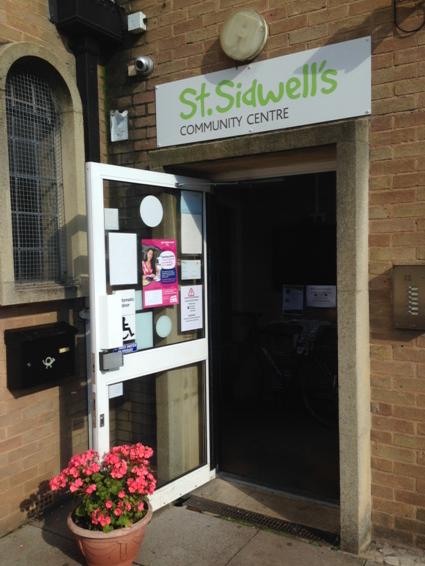
Next, I visited St Sidwell’s Centre, a great community centre with a buzzing cafe, and a room full to bursting with people learning English as a second language, all in the middle of conversational practice.

St Sidwells

Lots of co-location, the English class was run by a partner organisation; the job club this afternoon is supported by the YMCA, and the Recovery College was there with a Recovery Library and craft activities for mental wellbeing. The place was clearly a safe space for anyone who needs it, and volunteering as a pathway to developing skills and social interaction was key.

I met Pauline a volunteer who had so many different volunteering jobs I couldn’t keep track; although she’s a volunteer she is leading the Learn My Way delivery. We had a great conversation about how to use basic digital skills as a platform for resilience for life: be it employability, coping with money, improving health, or combatting isolation. As part of that springboard for more resilience, Pauline thinks the Online Basics City & Guilds Qualification is important to show future employers the validity of what always starts as very informal and personalised learning. Pauline is going to charge learners who can afford it to take the qualification, and will provide bursaries for those who can’t – she says this will show everyone that this qualification has a value.

A vicious cycle

Both of these centres said that they had lots of users who just didn’t have the money to buy a laptop/tablet or broadband. There was the dreadful and now common story of people coming to them having been sanctioned for not using the internet and the Universal Jobmatch service. It feels like a vicious cycle. If people don’t have the money to buy access to the internet then they don’t practice the basic digital skills they gain from Learn My Way and other tools. If they don’t practice the skills then they don’t become digitally literate and confident. And in some cases this leads to them not being online enough to apply for enough jobs, and then they’re sanctioned so they don’t have any money. Or they can’t apply for the right job at the right moment and don’t have work so they don’t have any money. We need to do something about this.

Exeter Library

My afternoon was quite different

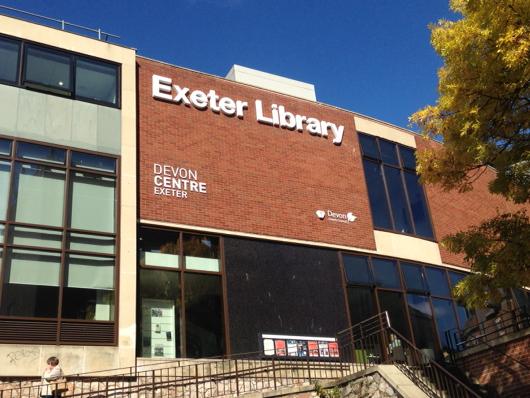
I visited the lovely Exeter Library on the day they were put onto the Monopoly Board for Exeter – launched yesterday by Mr Monopoly. It’s a lovely, bright and welcoming space (that makes four so far this week), and there were lots of people doing lots of different things. The outside is a austere 50s design but inside the recent refurbishment entices people into the library – the business zone, the wonderful children’s zone, the teen zone complete with PS4 (banned for use by people aged 20+), and the Fab Lab.

I met Jim in the Fab Lab – a man in his 60s who a month ago had never touched a computer, and during that month he’s been motivated to learn 3D drawing to print something on the 3D printer. He showed me his prototype – a badge with his name on it. To be honest I’d never seen a ‘fab lab’ so busy and I doubted its wider appeal to people with no or low digital skills, but Jim showed me that with the right leadership and the right promotion a ‘fab lab’ definitely has a place in the wider digital offer, even for people just starting out on computers. I wanted to take Jim’s photo but he didn’t want me to, unfortunately.

We need equality in this digital world

Of course we need places – such as libraries – that can afford machines like 3D printers and laser cutters. But the sad reality that there are so many people who cannot afford a cheap tablet or refurbished laptop, nor a broadband connection, is something we need to do something about if we’re really going to get equality in this digital world.

It was a volunteer who was helping Jim one-to-one to learn how to use a computer and 3D drawing. It was a volunteer who showed me around the Fab Lab, and explained all the machines to me. It was a volunteer – Pauline – who explained how St Sitwell’s uses the internet to help people to build their resilience.

I’m so pleased that Get Online Week has made me go out and meet so many committed and interesting people. One more visit today (Thursday) after talking to people in the housing sector about the importance of digital inclusion.

#EasierOnline

There has been even more brilliant additions. Who’d have thought creating props and practicing face painting could be made easier online? Keep them coming – I can’t wait to see what you come up with next.

GOLW15 Wednesday

A touching trip to Longley 4G

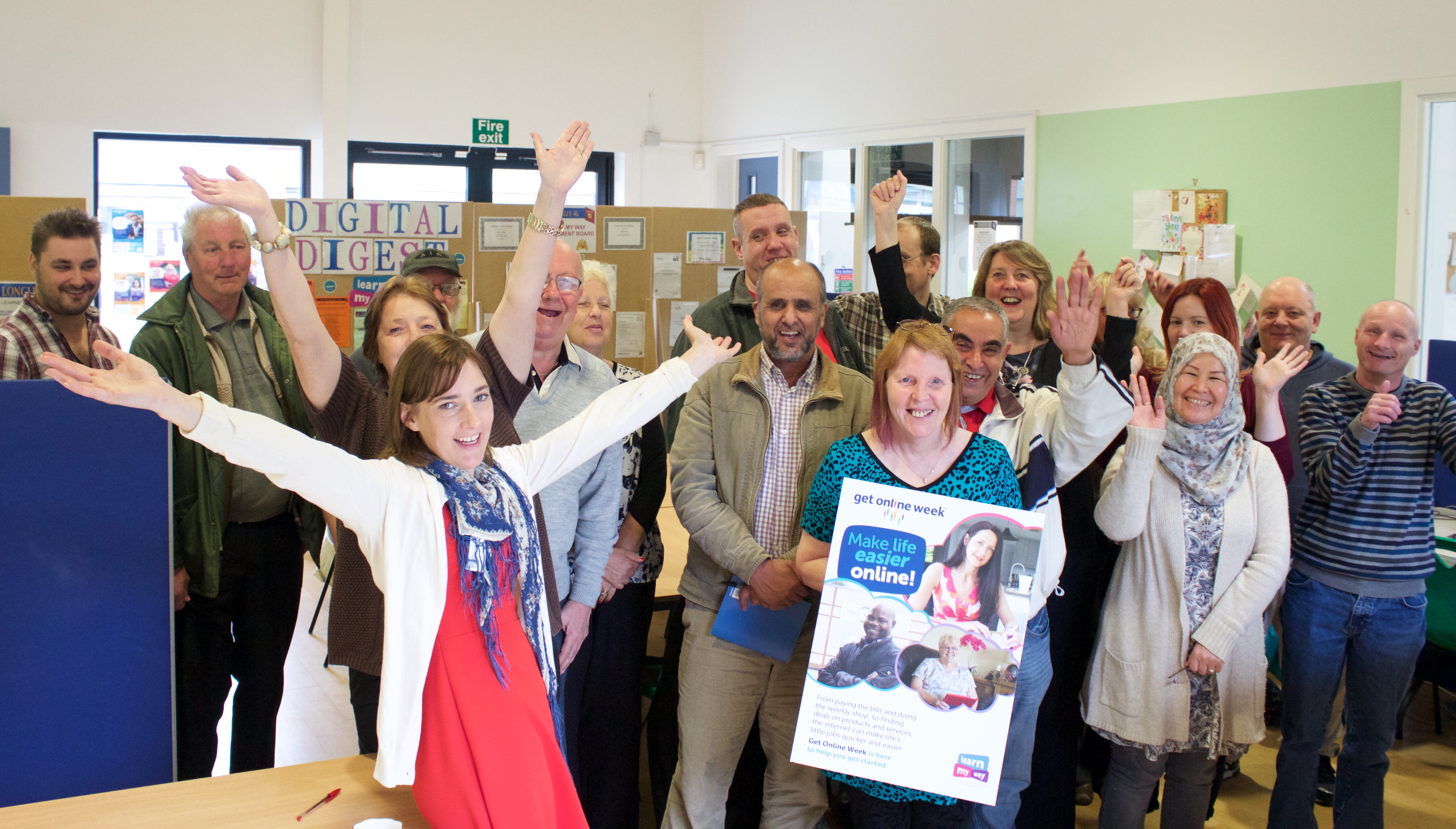
This morning I went to my first Get Online Week event of 2015 at Longley 4G Community Centre in Sheffield. It was a truly touching and enlightening experience.

IMG_9510

There were a lot of people there who regularly attend the centre. People of different ages, from different backgrounds but for many of them the story was the same: they were unemployed and struggling to find work.

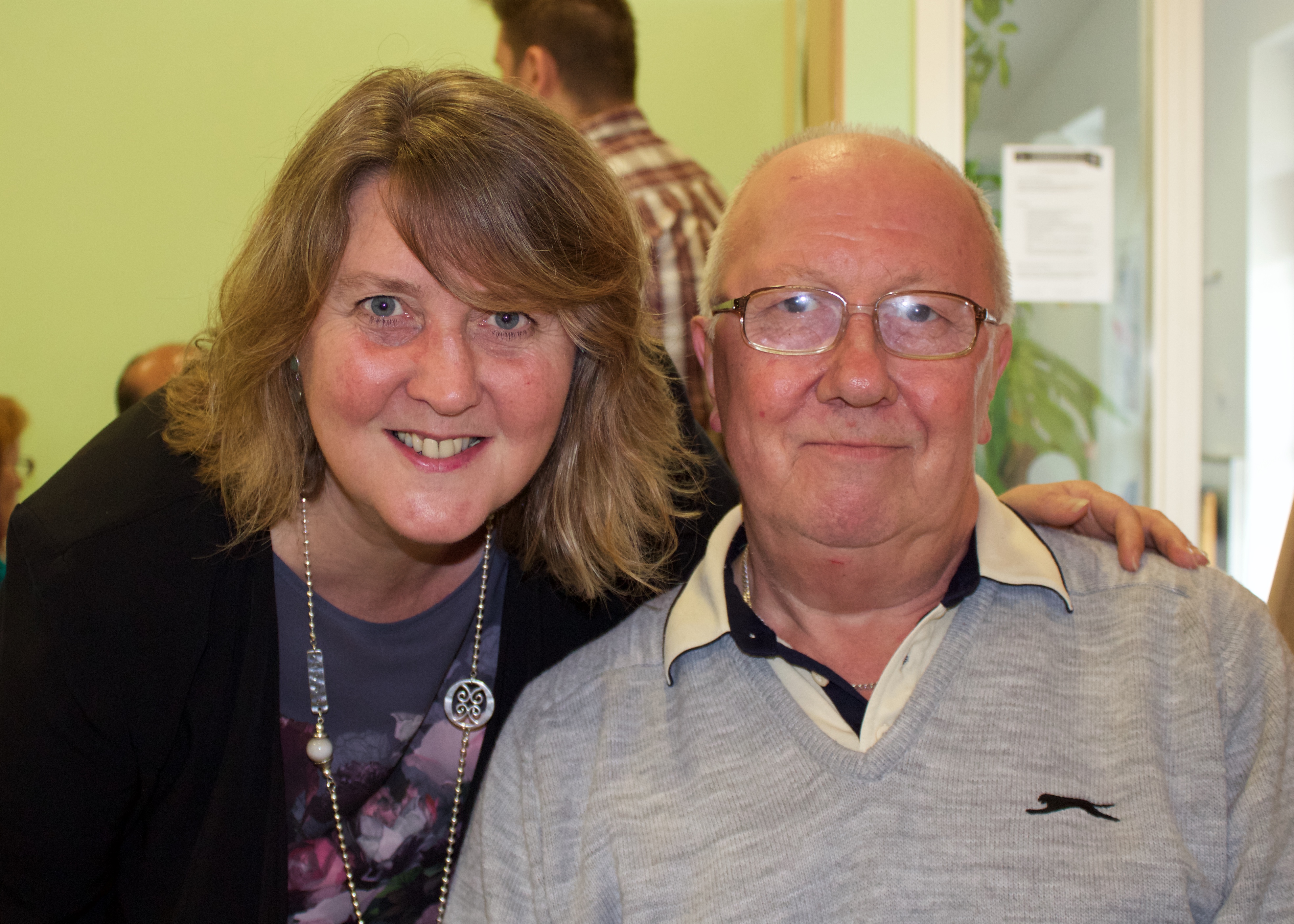
It was heartbreaking to hear some of their stories. The gentleman with me in the picture below is called Phillip. He is in his early 60s and suffers some health issues. He worked the same job for 25 years, a job which he enjoyed, and unfortunately was made redundant from. Since coming to Longley 4G he’s been applying for several jobs each week, sometimes as many as 20, but he never hears anything back.

IMG_9494

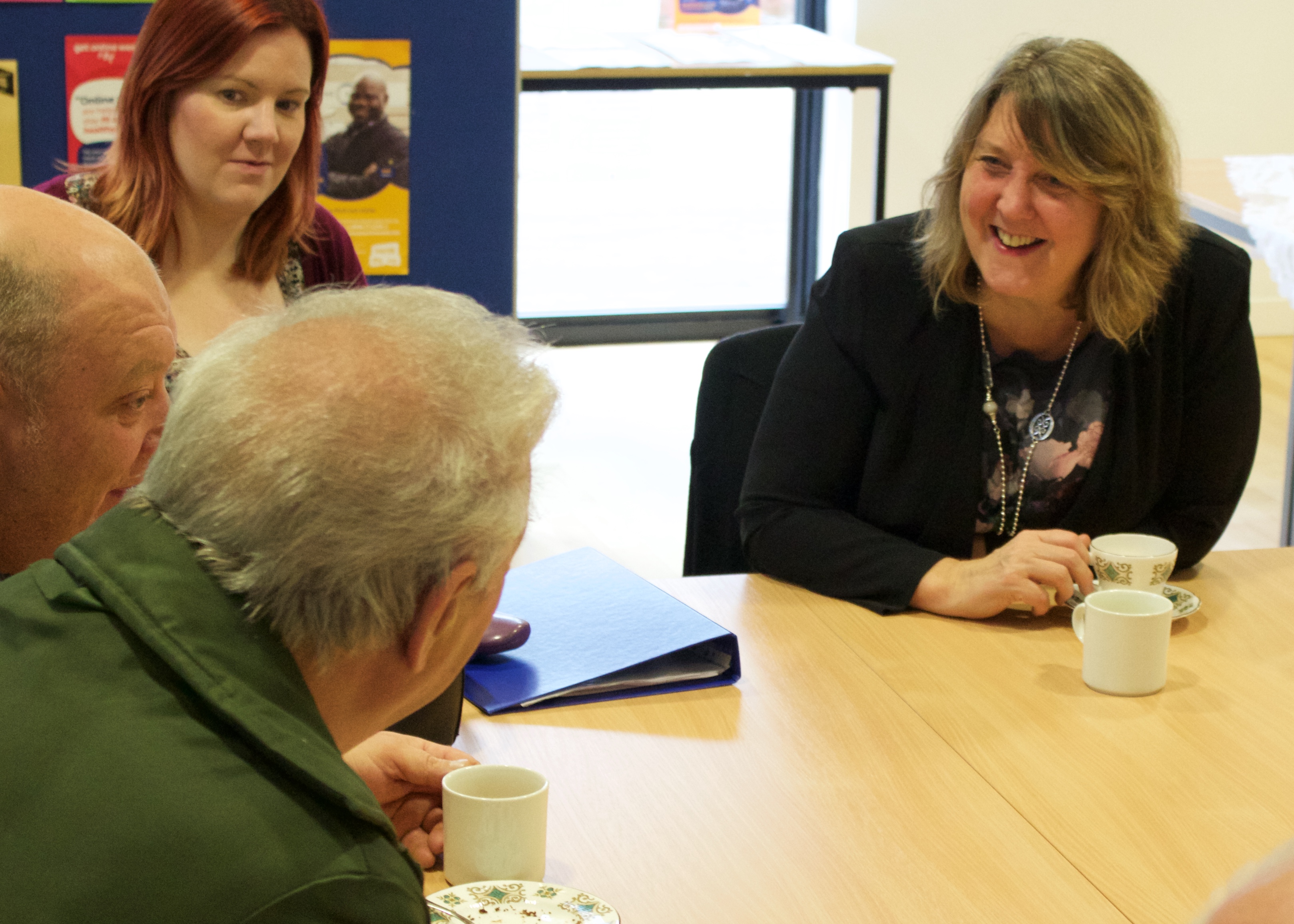
Stories like this are the reason why we do what we do. Get Online Week is about having fun, a chat and a cup of tea, but it’s really about informal events that are welcoming to everyone – including those with very real challenges, such as unemployment. Campaigns like Get Online Week highlight these issues and, more importantly, encourage people to start their journey to a more positive future – to really grab hold of what they want.

IMG_9489

To the learners and team at Longley 4G, thank you so much for having me today and for telling me your stories. Not only did I enjoy meeting you all and spending time in your company, but it also made me more determined than ever to make sure everyone has access to equal opportunities in life.

#EasierOnline

Your pictures have been flooding in. You’re all so creative, and I didn’t know there were so many things that can be made much simpler by using the internet. Here are some of my favourites from the past 24 hours:

GOLW15 Tuesday

I’m looking forward to seeing even more of your #EasierOnline pictures posted on social media. Don’t forget to post pictures of your events too using the #GOLW15 hashtag. I’m visiting two centres tomorrow – St Loyes and St Sitwell Centre – and Exeter Library to meet everyone there, including Ciara Eastell, whom I mentioned in my blog yesterday. I cannot wait!

Get Online Week begins…

I woke up this morning feeling really upbeat about the week ahead, because today is the start of our ninth annual Get Online Week and there’s lots of exciting things happening all across the country.

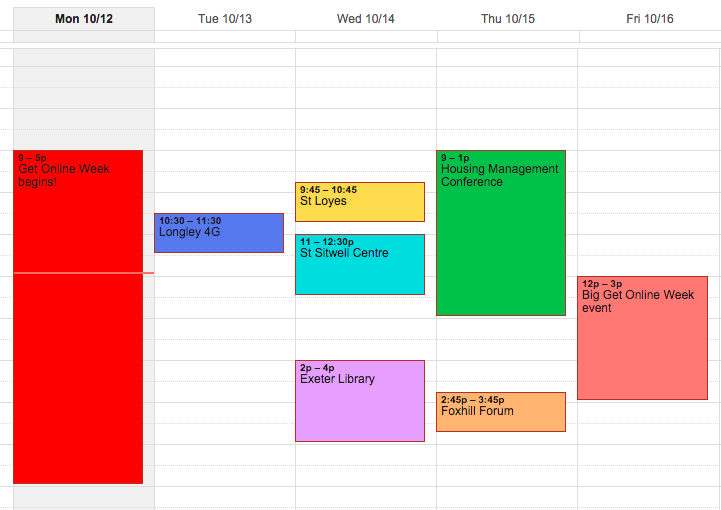
I cannot believe our big digital inclusion campaign is in it’s ninth year already – doesn’t time fly when you’re having fun? And speaking of fun, I have a busy calendar of events lined up, that I can’t wait to get started on. This is what I have planned so far:

Helen's calendar1

I love visiting our network of community partners and the best thing about Get Online Week is that it gives me the perfect excuse to spend an entire week out of the office meeting centre staff, volunteers, and learners.

One event that I’m particularly looking forward to is Wednesday’s trip to Exeter Library. I am a big fan of libraries (my colleagues here at Tinder Foundation can vouch for that) and I firmly believe that they play a very important role in communities across the UK. In order to support libraries to deliver digital inclusion activity, we recently launched a new project called the Libraries Digital Inclusion Fund, where we awarded funding to sixteen libraries to deliver innovative activities with the aim of reducing digital exclusion in their communities.

The project is giving us a great opportunity to work with libraries and I believe it will do a fantastic job raising awareness of the great work that they do. For me and my team, Get Online Week is the perfect excuse to go out and visit a library. I am certainly looking forward to mine, as I’ll be meeting up with Ciara Eastell the President of the Society of Chief Librarians and the Head of Libraries, Culture & Heritage for Devon County Council. You can be rest assured that I will be discussing all the great work being done in libraries, across the UK online centres network and beyond.

As usual one of the biggest parts of our campaign is social media. Anything you do this week that’s even slightly Get Online Week-related, I want to see it on Twitter, Facebook, LinkedIn, or whichever channel it is that you use. Post it with the hashtag #GOLW15 and we’re guaranteed to see it.

Last week I posted my #EasierOnline photo too. I’m sure you managed to see it, but if not I’ve posted it here below, along with a couple of others from my team.

GOLW15

As part of the campaign we’re asking everyone to get involved and post a picture on social media of something that’s much easier online. Whether that’s booking your cinema ticket, buying pet food, catching up on TV shows or chatting with family abroad; if it’s easier online, post it with the hashtag for the whole world to see.

I’ll be blogging about my visits to fill you in on my experiences. I’ll let you know where I’ve been, what I’ve seen, who I’ve met, and my thoughts on the campaign so far. I’m off to Longley 4G here in Sheffield tomorrow, and I cannot wait.

Until then…Happy Get Online Week!